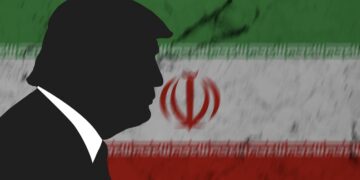
































































US President Donald Trump has raised the stakes in negotiations with Iran by demanding that Tehran pay compensation for deaths and injuries he attributes to the Islamic Republic, as expectations of an agreement to reopen the Strait of Hormuz began to recede.
Trump made the demand on Monday after Iran said Washington would need to meet several conditions, including compensation for damage caused by US and Israeli military strikes on Iranian territory over the past five months.
In a post on Truth Social, Trump said he would seek compensation from Iran for people he claimed had been killed or seriously injured in conflicts and attacks involving the country.
He also said future negotiations with Tehran would include payments to families of protesters he alleged had been killed by Iranian authorities.
The demand represents a new issue in the negotiations and was not previously identified by Washington as a condition for an agreement.
Trump also called for Iran to compensate the families of the 17 US sailors killed in the 2000 USS Cole bombing in Yemen. The attack was attributed to al-Qaeda, rather than Iran.
In a separate post, Trump said Iran should also bear responsibility for deaths and destruction involving Lebanon, Syria, Yemen and Gaza.
Iranian officials said earlier that talks with Oman over arrangements for shipping through the Strait of Hormuz were making progress.
Iran’s Foreign Ministry spokesman, Esmaeil Baghaei, said discussions had advanced on a proposed shipping route and mechanisms for safe navigation. He said the two sides had agreed on a route map but were still working through technical details before issuing a joint statement.
The negotiations also cover maritime services, environmental protection, navigation safety and measures to combat criminal activity in the waterway.
Baghaei reiterated, however, that reopening the strait would depend on Washington meeting Iran’s demands. Tehran has called for compensation, an end to sanctions and an end to military threats.
The development came after reports that the United States expected an agreement between Iran and Oman that could allow commercial shipping through the strategically important waterway to resume.
Washington has repeatedly opposed any arrangement that would give Iran control over access to the strait or allow Tehran to impose charges on ships using it.
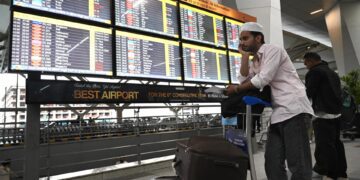
The uncertainty immediately affected energy markets.
Oil prices extended their gains after Trump’s comments, with Brent crude rising 4.25% at one point on Monday.
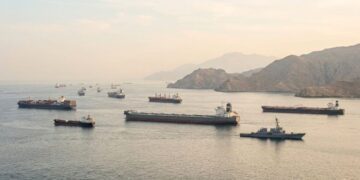
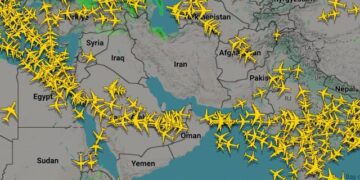
The Strait of Hormuz is one of the world’s most important energy corridors. Before the conflict, roughly 20% of global oil and liquefied natural gas shipments passed through the waterway.
The disruption since the US-Israeli strikes on Iran on February 28 has contributed to higher energy costs and intensified inflationary pressures.
Trump’s latest demands come as he faces growing pressure to bring the conflict to an end ahead of the US midterm elections in November.
The president has said the military campaign was intended to prevent Iran from developing nuclear weapons and reduce its ability to threaten countries in the region.
But the conflict has continued despite repeated claims of imminent attacks, diplomatic breakthroughs and potential agreements.
A ceasefire reached by Washington and Tehran in June later collapsed. The United States subsequently reinstated a blockade on Iranian shipping in the Gulf, while Iran accused Washington of violating the truce.
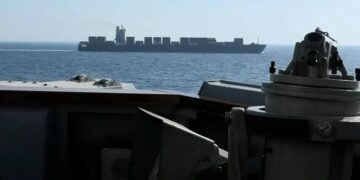
Iran has responded with missile and drone attacks against US allies in the region and has targeted commercial vessels attempting to pass through the Strait of Hormuz without Tehran’s approval.
The security situation extends beyond Hormuz.
Iran-aligned Houthi forces in Yemen have continued attacks on shipping around the Red Sea and Gulf of Aden, another critical route for global trade and energy supplies.
The Houthis declared a naval blockade targeting Saudi Arabia last month, accusing Riyadh of imposing a siege on the group in Yemen. Saudi Arabia has rejected the allegation.
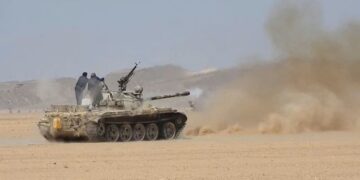
Fighting between the Houthis and forces supporting Yemen’s internationally recognized government has also intensified.
On Monday, Yemen’s military said a Houthi attack on the Red Sea port city of Mocha killed seven people, including military personnel and civilians. The military said air defenses intercepted and destroyed 11 drones involved in the assault.
With negotiations over Hormuz still unresolved and military activity continuing around both major shipping chokepoints, markets remain focused on whether diplomacy can restore normal commercial traffic or whether further escalation will keep oil prices elevated.