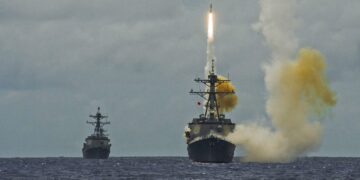














































































The conflict involving Iran has widened beyond the Gulf, with military activity now stretching into the Red Sea and the Caspian region, raising fresh concerns about regional security and global energy supplies.
Despite days of escalating hostilities, the United States did not launch fresh airstrikes overnight, marking a temporary pause in its military campaign against Iranian targets. The lull came even as tensions continued to rise across multiple fronts.
The latest development follows renewed missile and drone exchanges involving Iran and its regional allies, while maritime security has come under increasing pressure in the Red Sea, a key international shipping route.
Fighting spreads beyond the Gulf
The conflict, which initially centred on the Gulf and the Strait of Hormuz, is now affecting wider parts of the Middle East.
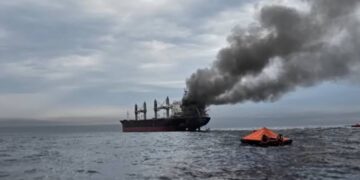
In the Red Sea, security concerns have intensified following renewed threats to commercial shipping, while military activity has also been reported around the Caspian region, signalling a broader geographical expansion of the crisis.
Security analysts say the widening theatre of operations increases the risk of disruption to global trade routes and energy exports, particularly as vessels continue to navigate already volatile waters.
U.S. pauses strikes
Unlike previous days, U.S. forces did not carry out new airstrikes against Iranian targets, suggesting Washington may be weighing diplomatic and military options as the conflict evolves.
The absence of fresh attacks has fuelled speculation that the U.S. could be reassessing its next steps while monitoring Iran’s response and developments involving regional allies.
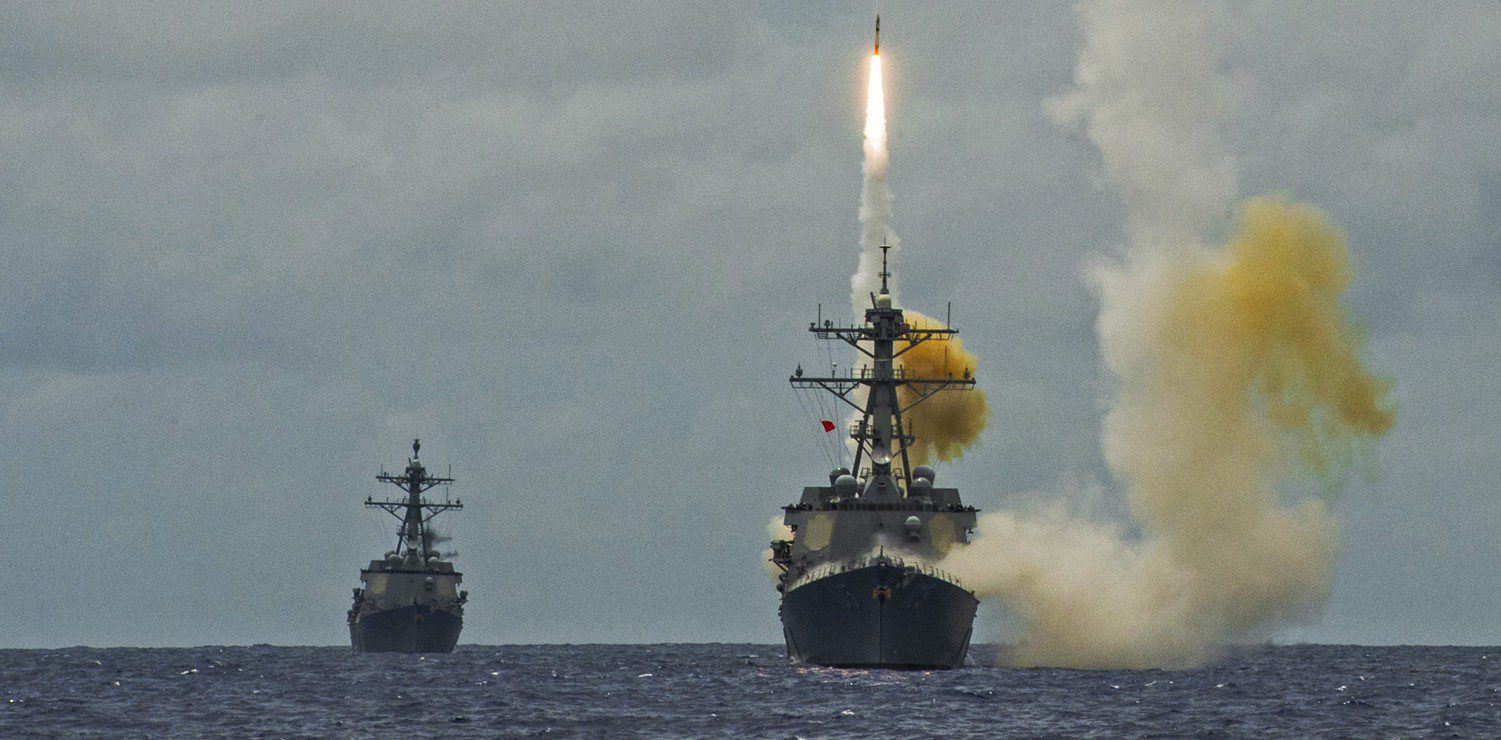
However, American officials have not indicated that military operations have ended, and defence assets remain on high alert.
Gulf states remain cautious
Countries across the Gulf have largely maintained public silence as the conflict grows more complex.
Regional governments have avoided direct involvement while continuing to monitor the security situation, particularly around critical oil and gas infrastructure and major shipping lanes.
Several Gulf states have strengthened defensive measures in recent days amid fears that the fighting could spill further across the region.
Energy markets remain on edge
The expansion of the conflict continues to unsettle global energy markets, with traders closely watching developments around the Strait of Hormuz and the Red Sea.
Any prolonged disruption along these routes could affect crude oil exports from the Middle East, placing additional pressure on international fuel prices.
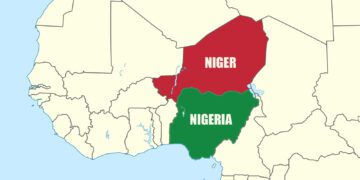
For Nigeria, sustained increases in global crude prices could boost oil revenue, but analysts warn that higher energy costs may also translate into more expensive imported fuel, transport costs and inflation if instability persists.
Diplomatic efforts continue
While military tensions remain high, diplomatic contacts are continuing behind the scenes, with several countries reportedly exploring ways to reduce hostilities and prevent the conflict from escalating further.
There has been no indication of an immediate breakthrough, but international observers say preventing the war from spreading further remains a priority for regional and global powers.
Security experts warn that with multiple fronts now active and strategic waterways under pressure, the risk of a wider regional confrontation remains significant unless diplomatic efforts gain momentum.