










































































Archaeologists working in Egypt have uncovered the remains of a remarkably well-preserved Byzantine-era settlement in the country’s Western Desert, alongside a separate discovery of ancient burial chambers on the Mediterranean coast, offering new insights into Egypt’s religious, social and economic life during the late Roman and Byzantine periods.
The discoveries were announced by Egypt’s Ministry of Tourism and Antiquities following excavations at the Dakhla Oasis and Marina El Alamein archaeological sites.

At Dakhla Oasis, archaeologists uncovered an extensive fourth-century settlement featuring residential neighbourhoods, public spaces and religious buildings laid out in a structured urban plan.
Researchers identified broad streets running north to south, intersected by east-west roads that created open squares and communal areas, reflecting sophisticated town planning during the Byzantine era.
One of the most significant finds is a large basilica-style church overlooking the settlement’s main streets, believed to date to the middle of the fourth century. The excavation also revealed two watchtowers positioned on the outskirts of the community, suggesting the settlement maintained defensive measures.
Archaeologists unearthed numerous residential buildings, some constructed with thick fortified walls and vaulted roofs. Among them was a residence believed to have belonged to a church deacon, which researchers say may have functioned as an early place of Christian worship before the construction of the main basilica.
The excavation also produced a wide range of artefacts that provide clues about daily life in the settlement.
These include bread ovens, kitchens, stone grinding tools, pottery, bronze coins and approximately 200 inscribed pottery fragments known as ostraca. The inscriptions are believed to document commercial transactions, correspondence and administrative activities, offering valuable evidence of the settlement’s economy and governance.
Researchers also recovered bronze and gold coins bearing portraits of Byzantine and Roman rulers, including coins dating to the reign of Emperor Constantius II, who ruled between AD 337 and 361.
The discoveries are expected to contribute significantly to ongoing studies of Byzantine Egypt and strengthen the historical importance of Dakhla Oasis, which is currently included on UNESCO’s tentative list of World Heritage Sites.
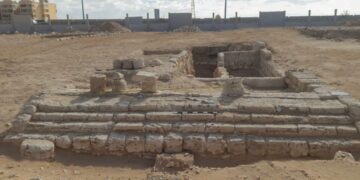
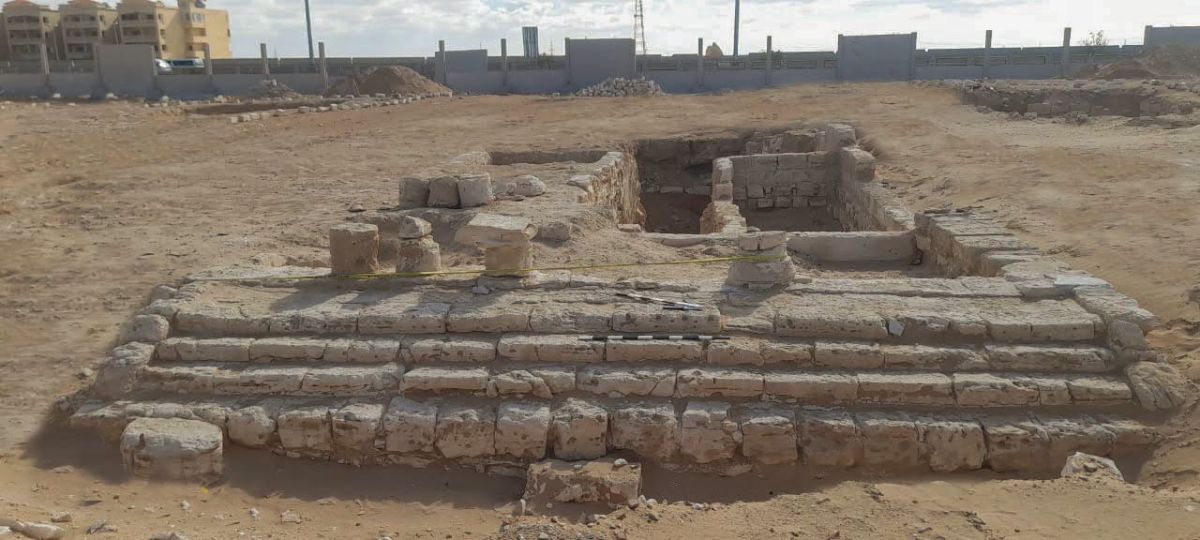
In a separate excavation at Marina El Alamein, about 100 kilometres west of Alexandria, archaeologists uncovered 18 additional ancient tombs, increasing the number of documented burials at the site to 48.
The newly discovered cemetery includes rock-cut tombs carved several metres below ground as well as limestone-built burial chambers.
Among the artefacts recovered were pottery vessels, amphorae, lamps, ceremonial altars and limestone basins, alongside a 2.5-metre granite sarcophagus containing human skeletal remains currently undergoing scientific examination.
Archaeologists also found fragments of a plaster sphinx statue near the sarcophagus and identified a rare funerary practice in which small pieces of gold had been placed inside the mouths of some of the deceased, a ritual associated with ancient beliefs about the afterlife.
Marina El Alamein is widely believed to occupy the site of the ancient Greco-Roman port city of Leukaspis, a thriving Mediterranean settlement that flourished between the second and fourth centuries before falling into decline.

Egyptian authorities say the latest discoveries will deepen understanding of the country’s transition from the Roman to the Byzantine era while providing fresh evidence of urban development, trade, religious life and burial customs across different periods of Egyptian history.