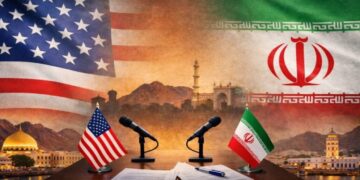











































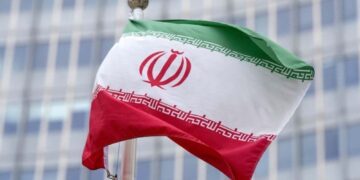



















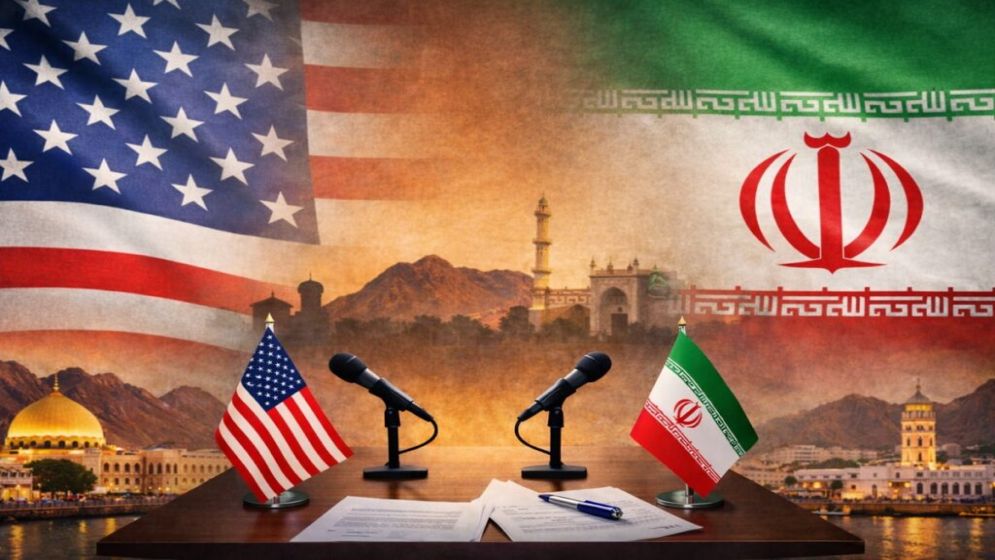
Iran has downplayed suggestions that a breakthrough agreement with the United States is imminent, saying major disagreements remain unresolved despite progress in ongoing negotiations aimed at easing tensions following months of conflict in the Middle East.
Speaking during a weekly press briefing on Monday, Iranian foreign ministry spokesperson Esmail Baghaei said substantial progress had been made on several issues under discussion, but cautioned against expectations of an immediate agreement.
“It is correct to say that we have reached a conclusion on a large portion of the issues under discussion. But to say that this means the signing of an agreement is imminent, no one can make such a claim,” Baghaei said.
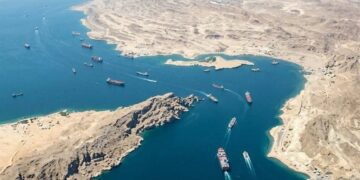
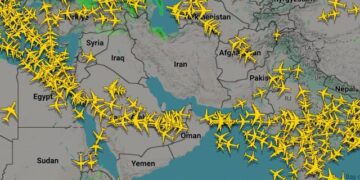
The comments come amid intensified diplomatic efforts to stabilize the region following the US-Israel war on Iran and growing concerns over disruptions to global oil supply routes through the Strait of Hormuz.
Baghaei attributed the slow pace of negotiations to what he described as inconsistent positions from Washington and interference from Israel, which he accused of attempting to undermine any potential agreement.
The Iranian spokesperson also insisted that any framework for reopening commercial shipping routes through the Strait of Hormuz must include a ceasefire arrangement in Lebanon, alongside the lifting of the US blockade on Iranian ports.
He clarified that Tehran’s proposal regarding the strategic waterway did not involve imposing tolls on international vessels but rather charging “fees for navigational services” tied to environmental protection and maritime safety operations coordinated with Oman.
“Navigation services and necessary environmental protection measures require the collection of fees. The term tolls should not be used,” Baghaei said.
The remarks follow reports that Iran and Oman are discussing mechanisms for managing vessel movement through the Strait of Hormuz, a critical global oil transit corridor through which a significant share of the world’s crude exports passes daily.
While Tehran projected caution, the United States maintained that diplomacy remains possible.
US Secretary of State Marco Rubio said negotiations were still ongoing and expressed hope that an agreement could eventually be secured.
“Either we will have a good deal or we will deal with this issue in another way, and we prefer to have a good deal,” Rubio said during a visit to New Delhi.
According to reports, the emerging framework under discussion could involve the gradual reopening of the Strait of Hormuz within 30 days after any ceasefire agreement between Iran and the United States.
The proposal reportedly includes a phased removal of naval mines from the waterway and a renewed 60-day negotiation window focused on Iran’s nuclear programme.
However, significant disagreements remain over Tehran’s stockpile of highly enriched uranium.
Iranian officials have reiterated that the country will not transfer its uranium reserves abroad, despite earlier signals that it could reduce enrichment levels under international supervision.
Baghaei stated that nuclear issues would not be fully resolved within the initial memorandum of understanding but would instead form part of subsequent negotiations.
The issue remains a key sticking point for Washington and Israel, both of which insist that Iran’s near-weapons-grade uranium stockpile must be neutralized as part of any long-term settlement.
Israeli opposition leader Yair Lapid criticized the emerging framework, describing it as “disturbing” and warning that Israel’s influence over decisions in Washington had weakened significantly.
Meanwhile, former US diplomat Barbara Leaf dismissed suggestions that regional powers including Saudi Arabia, Qatar and Turkey would join an expanded Abraham Accords arrangement proposed by US President Donald Trump.
Trump had called on several Middle Eastern countries to normalize relations with Israel as part of a broader regional settlement framework tied to any agreement with Iran.
Inside Iran, analysts reportedly view the evolving negotiations less as a pathway to reconciliation and more as an attempt to establish a fragile coexistence capable of preventing another major regional war.
The uncertainty surrounding the talks continues to fuel volatility across global energy markets, with traders closely monitoring developments around the Strait of Hormuz and the broader Middle East security situation.