











































































The African Development Bank (AfDB) has warned that a powerful El Niño weather event could inflict economic losses of between $10 billion and $20 billion across Africa, while worsening food insecurity, displacing millions of people and putting additional pressure on already fragile economies.
The warning comes as meteorologists forecast that the current El Niño could become one of the strongest on record, increasing the likelihood of severe droughts, floods and extreme weather across different parts of the continent.
According to the AfDB, countries most exposed to climate shocks could see their economies shrink by between one and two per cent as agricultural production declines, infrastructure is damaged and governments struggle with rising recovery costs.
The bank noted that many African economies are already grappling with debt, inflation and weak public finances, leaving them with limited capacity to respond to another major climate disaster.
Agriculture and food prices under threat
The AfDB said agriculture is expected to bear the brunt of the weather disruption.
Poor rainfall in some regions and excessive flooding in others could reduce harvests, drive up food prices and threaten the livelihoods of millions of farmers.
The bank also warned that fisheries may suffer as rising sea temperatures and stronger storms affect coastal communities and reduce fish stocks.
For countries where maize remains a major staple food, officials fear supplies could tighten significantly if weather conditions worsen.
Rising adaptation costs
The bank estimates that Africa’s climate adaptation funding requirements could rise to about $100 billion, roughly double previous estimates, as governments prepare for the expected impact of the stronger El Niño.
The AfDB believes current international climate financing remains far below what developing countries require to strengthen infrastructure, improve irrigation systems, support farmers and build resilience against extreme weather.
It said countries may need greater access to financing from international climate funds and other development partners to reduce the long-term economic impact.
Risk of displacement and insecurity
Beyond the economic losses, the bank warned that worsening droughts and floods could trigger large-scale displacement as people leave affected communities in search of food, water and livelihoods.
Such movements, it said, could increase pressure on urban centres, deepen humanitarian challenges and worsen existing tensions over scarce resources in vulnerable regions.
Countries already facing insecurity and humanitarian crises could be particularly exposed if climate shocks further reduce access to farmland, grazing areas and water.
Implications for Nigeria
Although the warning applies to Africa as a whole, Nigeria could also feel the effects.
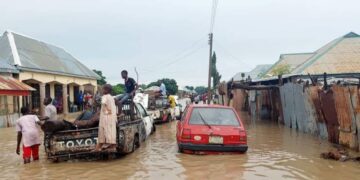
Agriculture remains a major employer, while flooding and erratic rainfall have repeatedly destroyed crops and displaced communities in several states in recent years.
Analysts say another severe El Niño could affect food production, push prices even higher, increase pressure on inflation and place additional strain on government spending for disaster response and recovery.
AfDB plans response
The African Development Bank said it is reviewing its investment portfolio to determine how existing projects can better support countries likely to be affected.
The institution also plans to work with governments and international partners to mobilise additional funding for climate adaptation and disaster preparedness.
The bank stressed that investing in resilience before disasters occur is significantly less costly than rebuilding communities after climate-related destruction.