








































The Airline Operators of Nigeria has pushed back against claims by the Nigeria Civil Aviation Authority that several domestic carriers owe outstanding statutory debts, insisting that all regulatory services provided by the authority are paid for in advance under a strict cash-before-service arrangement.
The dispute follows an internal NCAA memo dated May 22, 2026, directing all its directorates to suspend services to 11 domestic airlines over alleged unpaid obligations linked to the five per cent Ticket Sales Charge and Cargo Sales Charge.
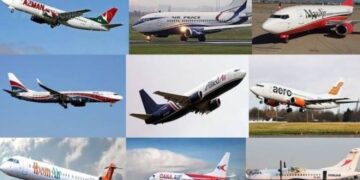
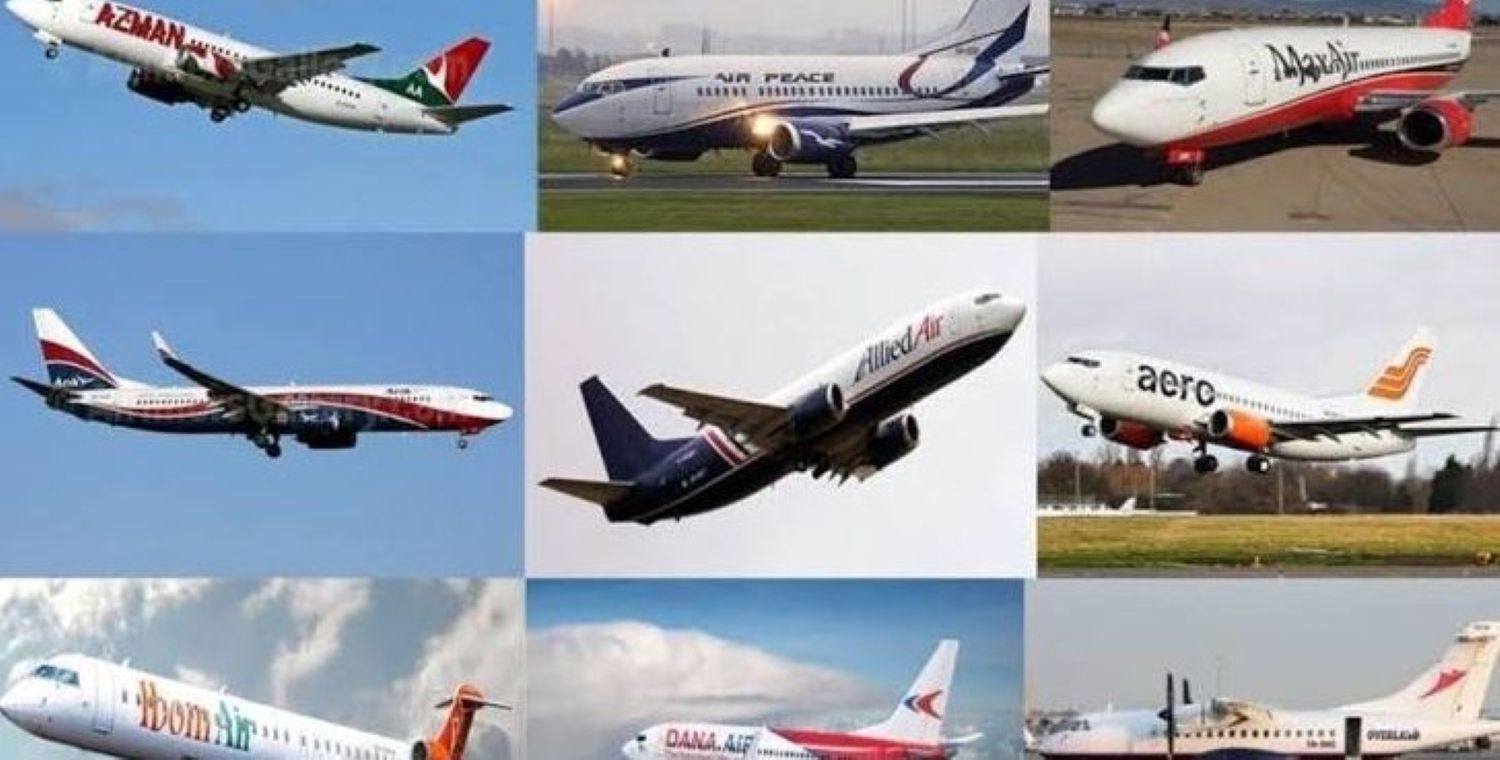
Airlines listed in the directive included Air Peace, Ibom Air, Arik Air, United Nigeria Airlines, Max Air, Overland Airways, ValueJet and others.
The memo, signed by NCAA Director of Finance and Accounts Olufemi Odukoya, instructed all departments not to render services to the affected operators without financial clearance from the finance directorate.
However, in a detailed response issued on behalf of domestic carriers, AON described the regulator’s claims as misleading, arguing that airlines do not receive any regulatory service from the NCAA without first paying fully for it.
“The AON wishes to make it clear that all cost recovery services rendered by the NCAA to domestic airline operators are paid for fully in advance on a cash-before-service basis,” the association stated.
According to the operators, the alleged outstanding obligations relate specifically to the five per cent Ticket Sales Charge imposed on passengers and not to direct regulatory service fees.
The group explained that airlines merely serve as collection agents for the charge and argued that the burden has become increasingly unsustainable amid worsening financial pressures facing the aviation industry.
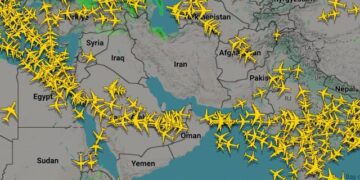
AON also linked the current financial strain on airlines to rising aviation fuel costs and broader global economic disruptions caused by the ongoing Iran-Israel-United States conflict, which it said has affected airlines worldwide.
The association disclosed that it had earlier appealed to the Federal Government through the Minister of Aviation and Aerospace Development for a temporary suspension of statutory charges to help airlines manage cash flow challenges.
According to the operators, President Bola Tinubu approved a 30 per cent concession as interim relief while discussions on additional support measures continue.
AON further urged the Federal Government to amend the Civil Aviation Act to allow the NCAA collect its charges directly from passengers rather than through airlines.
The operators argued that the five per cent Ticket Sales Charge, originally introduced more than four decades ago under the former Federal Civil Aviation Authority, has become outdated and inconsistent with modern international aviation standards.
“The NCAA is a regulatory body, not a revenue-generating agency,” the association said, adding that airlines are already subjected to multiple taxes, levies and operational charges from agencies including the Nigerian Airspace Management Agency and the Federal Airports Authority of Nigeria.
Meanwhile, the NCAA has separately directed all airlines operating in Nigeria to integrate special needs options into their ticket booking systems as part of efforts to improve accessibility and passenger inclusion.
The new directive requires airlines to provide booking provisions for passengers with disabilities and special mobility needs, ensuring they can request assistance during ticket purchase and travel processing.
Industry stakeholders say the move aligns with global aviation accessibility standards and could improve travel experiences for vulnerable passengers across Nigeria’s domestic aviation network.
Despite the disagreement over alleged debts, both the NCAA and airline operators indicated willingness to continue engagement aimed at preventing disruptions within the country’s aviation sector.