























































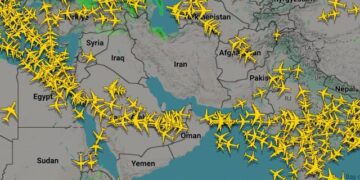




















Members of the International Monetary Fund (IMF) have called for increased financial assistance to countries facing short-term funding difficulties caused by war-related disruptions and high energy prices, warning that global economic risks remain weighted towards a downturn.
The appeal came in a statement issued after a meeting of the International Monetary and Financial Committee (IMFC) in Bangkok, where member economies highlighted the growing threats posed by armed conflicts, trade tensions, rising debt and rapid technological change.
The statement, delivered by Saudi Finance Minister Mohammed Al-Jadaan, who chairs the committee, warned that escalating conflicts and trade disputes could disrupt major shipping routes, push up commodity prices and undermine global energy and food security.
The committee also cautioned that higher bond yields in major economies could create additional pressure on heavily indebted countries, particularly those already facing economic vulnerabilities.
The IMFC serves as the main advisory and steering body of the IMF, which has 191 member countries.
Al-Jadaan told Reuters that the wording of the statement had been agreed by all members.
Technology risks feature in economic warning
The statement also highlighted the uncertain economic consequences of rapidly advancing technologies, alongside demographic changes, extreme weather events, natural disasters and increasing geopolitical divisions.
Although advanced intelligence technologies have supported investment and trade, the committee warned that their uncertain effects, combined with rising borrowing costs, could heighten financial and economic risks.
The final statement referred to “advanced intelligence technologies” but did not explicitly mention artificial intelligence (AI).
The wording followed discussions earlier in the week in which the United States reportedly pushed for the term “super intelligence” to replace “artificial intelligence”, reflecting US President Donald Trump’s preferred terminology.
The final version omitted both terms, using the broader description of advanced intelligence technologies instead.
The committee said rapid technological change was making economic policymaking more complicated, particularly as governments also contend with demographic shifts, climate-related disasters and the fragmentation of global economic relationships.
IMF urged to prioritize vulnerable economies
IMFC members agreed on the need to support countries pursuing economic reforms and measures to reduce debt vulnerabilities, with particular attention to low-income nations, vulnerable middle-income economies and countries affected by conflict.
The statement called for greater assistance to countries with sustainable debt positions and credible reform and growth plans that nevertheless face temporary financing shortages.
It also noted that several member countries had pledged support for the IMF’s Poverty Reduction and Growth Trust, a facility that provides concessional financing to eligible low-income countries.
The appeal comes as governments face mounting pressure from energy market volatility, disruptions to trade and higher financing costs. Countries with limited fiscal resources are particularly exposed because they have less room to cushion households and businesses against rising prices or respond to new economic shocks.
The committee’s warning underscores the challenge facing international policymakers as they seek to maintain economic stability while addressing the combined effects of conflict, debt pressures, technological disruption and climate-related risks.