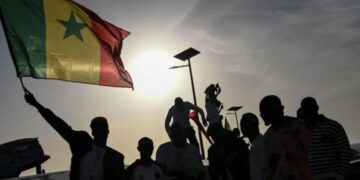






















































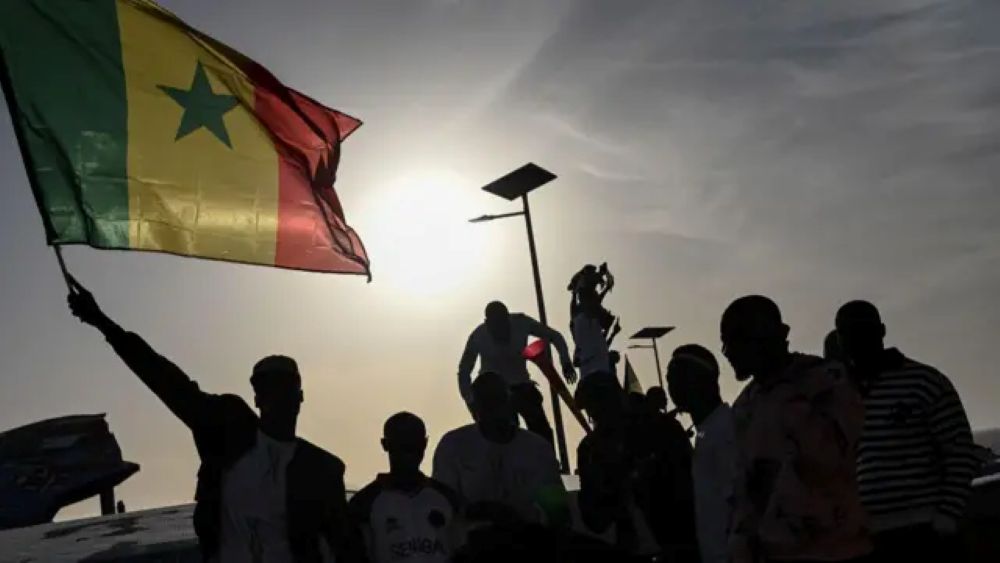
More than 320 people have been arrested in Senegal since February in a widening crackdown on LGBTQ+ people, with rights groups warning that forced HIV testing, threats to legal representation and growing public exposure are putting lives at risk.
A report by Human Rights Watch (HRW) documented the arrests, many involving allegations of “acts against nature”. At least 84 people have also faced charges of voluntary HIV transmission based solely on their HIV status, according to the HIV Justice Network, which was cited in the report.
The crackdown has intensified following changes to Senegal’s penal code in March, when parliament doubled the maximum prison sentence for consensual same-sex relations to 10 years.
The revised law also introduced prison terms of up to seven years and fines ranging from 500,000 to five million CFA francs, equivalent to approximately £650 to £6,500, for promoting homosexuality or supporting and financing LGBTQ+ people and organizations.
Human Rights Watch said the measures have heightened fear among LGBTQ+ people, forcing many to limit their daily activities, avoid public spaces or conceal their identities to reduce the risk of arrest.
Arrests, HIV Testing Raise Rights Concerns
Police have reportedly carried out arrests across the country using information obtained from seized mobile phones, allegations made by third parties and raids on private premises.
The HRW report also raised concerns about breaches of confidentiality, alleging that police information from ongoing investigations involving suspected LGBTQ+ people had been leaked to the media.
Reports containing sensitive personal details, including individuals’ HIV status, have exposed those arrested to stigma, family rejection, threats and possible violence.
The crackdown has also created difficulties for lawyers willing to defend people accused under the law. Some legal practitioners told HRW they feared prosecution themselves if they represented LGBTQ+ clients.
Doctors interviewed for the report warned that the legal changes were discouraging people from seeking HIV tests and treatment, potentially undermining public health efforts.
Sylvie Beaumont, a consultant with the HIV Justice Network, said she had received anecdotal reports of declining attendance at HIV clinics. She warned that people avoiding healthcare services could go undiagnosed or stop receiving treatment.
Beaumont also questioned the basis for some HIV-related prosecutions, noting reports that some suspects discovered their HIV status only after being arrested, while others were detained for possessing condoms or were already receiving treatment that prevents sexual transmission of the virus.
Although the provision criminalizing deliberate HIV transmission was not introduced through the latest penal code amendments, the recent wave of arrests has raised fresh concerns about how existing laws are being applied.
Many Flee Homes or Leave the Country
LGBTQ+ people interviewed by Human Rights Watch described growing anxiety and psychological distress as arrests continued.
Some have gone into hiding, restricted their movements or relocated to other areas. Others have left Senegal altogether to escape the threat of detention and social hostility.
Same-sex sexual activity has been criminalized in Senegal since 1965, but opposition to LGBTQ+ rights has become more prominent in recent years.
During the 2024 presidential campaign, President Bassirou Diomaye Faye and former Prime Minister Ousmane Sonko pledged to strengthen laws against same-sex relations, presenting the issue as a political priority.
The March amendments have further intensified concerns over privacy, equality and access to justice. Human Rights Watch said the crackdown raised questions about Senegal’s compliance with domestic and international protections for fair trials, privacy and non-discrimination.
Wider Anti-LGBTQ+ Laws Spread Across Africa
Senegal’s crackdown comes amid a broader trend towards tougher laws targeting LGBTQ+ people in several African countries.
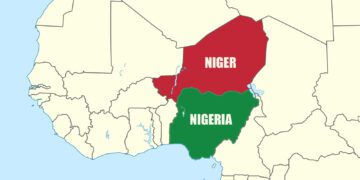
Niger criminalized same-sex sexual relations in February, prompting dozens of arrests, while neighbouring Mali and Burkina Faso have introduced similar restrictions in recent years. All three countries are governed by military-led administrations.
In Ghana, parliament passed legislation in May criminalizing LGBTQ+ activities, although the bill had not been signed into law by the president at the time of the report. The measure followed years of debate over proposed restrictions on LGBTQ+ rights.
Uganda’s Anti-Homosexuality Act, enacted in 2023, also introduced severe penalties for same-sex relations, including the death penalty for certain offences.
The developments have raised concerns among rights organizations that increasingly punitive laws are driving LGBTQ+ people further underground while making it harder for them to access legal protection, healthcare and other essential services.
Public health advocates have warned that fear of arrest and discrimination could also weaken efforts to prevent and treat HIV, particularly in a region that continues to account for a disproportionate share of people living with the virus.
UNAIDS figures cited in the report show that new HIV infections in western and central Africa fell by 49 per cent between 2010 and 2022. Sub-Saharan Africa nevertheless remains home to about 64 per cent of people living with HIV worldwide, making continued access to testing and treatment a major public health concern.