


































































Saudi Arabia has temporarily shut down its East-West oil pipeline after the major crude transport route came under aerial attack, adding fresh pressure to global energy markets as fighting and disruptions spread across the Middle East.
The shutdown followed a drone strike that Saudi Arabia and Iraq said originated from Iraqi territory, where Iran-backed armed groups operate. Baghdad responded by dismissing a military commander as authorities began investigating the attack.
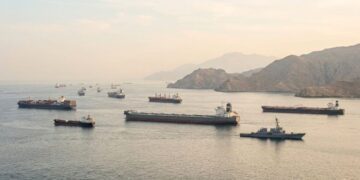
The 1,200-kilometre pipeline stretches across Saudi Arabia to the Red Sea and has become increasingly important during the conflict because it offers an alternative route for crude exports when access through the Strait of Hormuz is disrupted.
Saudi Arabia’s Energy Ministry said the pipeline was taken offline as a precautionary measure.
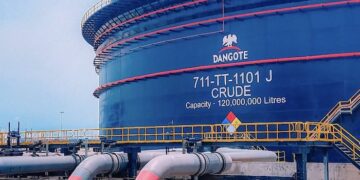
The facility has reportedly transported between four million and five million barrels of oil daily in recent months, representing a significant share of global supply.
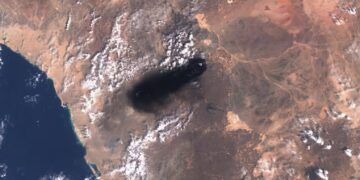
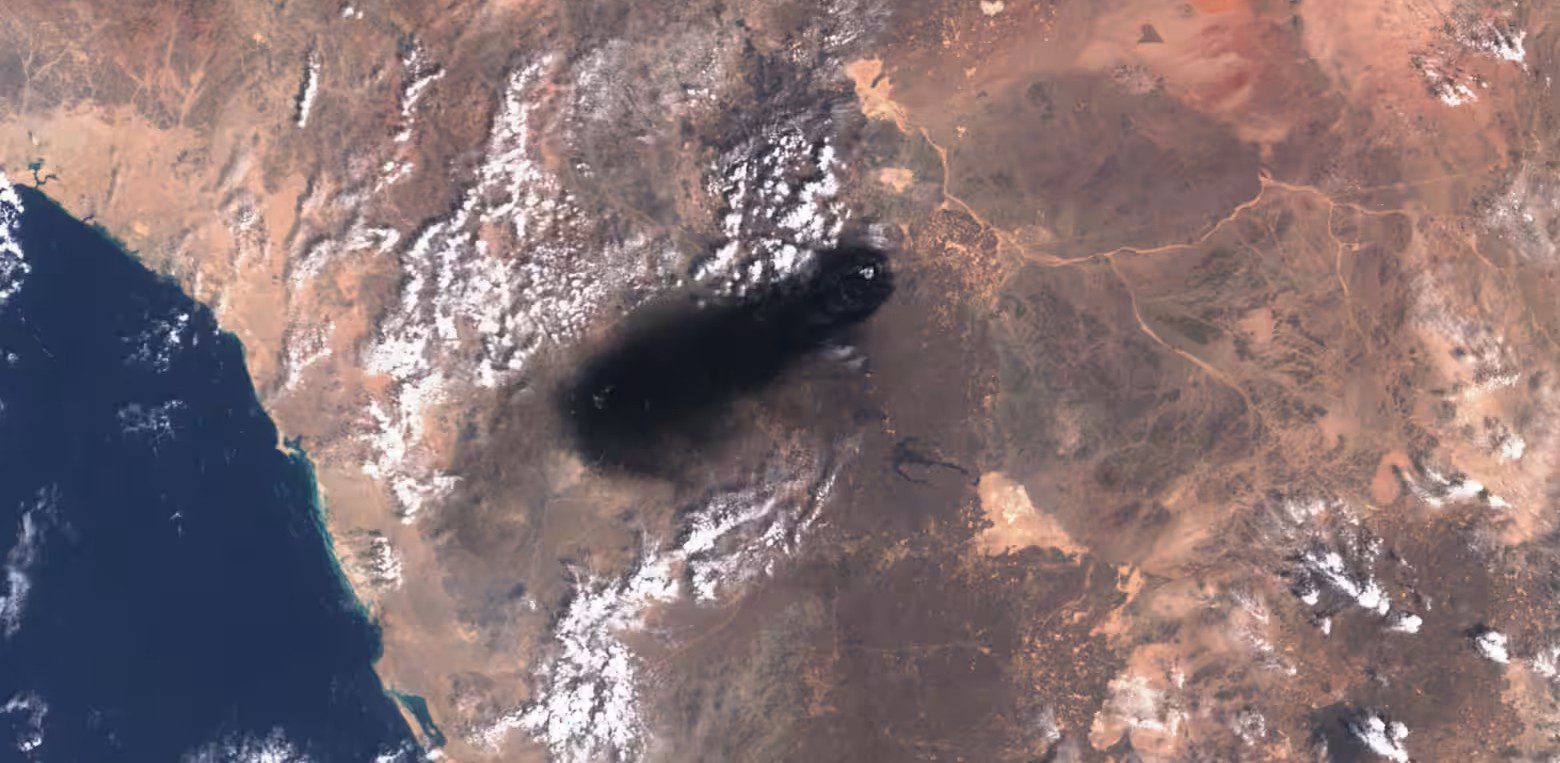
Satellite imagery showed black smoke rising from an area near the pipeline south of Medina. Saudi authorities said the attack caused injuries and damage, although the full extent of the impact on operations and exports was still being assessed.
No group immediately claimed responsibility.
Trump points to Iran
US President Donald Trump said Iran was likely responsible for the attack, although no evidence was publicly presented to support the claim.
Trump, who was in Ireland at the time, also repeated his belief that the conflict could end after the November US midterm elections, adding that oil prices would eventually fall.
Energy markets have already been shaken by growing attacks on shipping routes and oil infrastructure.
Oil prices rose sharply during the past week, while the retail price of diesel in the United States reportedly climbed above $6 per gallon for the first time.
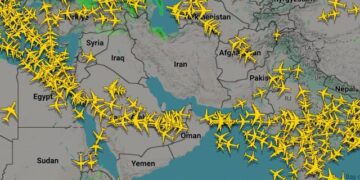
The escalation comes as US and Iranian forces continue attacks involving vessels in the Gulf, while the Iran-aligned Houthi movement has intensified pressure on shipping in the Red Sea.
Houthis seize strategic island
The situation became more serious after Yemeni government sources said the Houthis had captured Perim Island near the Bab el-Mandeb Strait.
The island sits close to one of the world’s most important maritime chokepoints, linking the Red Sea to the Gulf of Aden.
Four Yemeni government sources said the Houthis seized the strategic island on Friday, potentially giving the group greater influence over movement through the waterway.
Houthi military spokesperson Yahya Saree said navigation remained open to international shipping but maintained that Saudi vessels were subject to restrictions under a previously announced blockade.
Saudi oil exports through the Red Sea have become especially important as the war has severely reduced traffic through the Strait of Hormuz.
Saudi Arabia seeks US support
Sources told Reuters that Saudi Crown Prince Mohammed bin Salman recently contacted Trump to request US military assistance against the Houthis.
According to the sources, Washington declined to become directly involved in the fighting for now but agreed to provide intelligence support.
Trump confirmed that he had spoken with the Saudi leader and said the Houthis had also contacted his administration to urge Washington not to intervene directly in the conflict.
The reported attack on the pipeline and the capture of Perim Island represent a significant escalation as diplomatic efforts to end the wider conflict remain stalled.
Iraq removes commander
Iraq dismissed a military commander responsible for operations in Maysan province after authorities confirmed that the pipeline attack had originated from Iraqi territory.
Maysan, located in southeastern Iraq near the Iranian border, has long been regarded as an area where Iran-backed Shi’ite armed groups have considerable influence.
The Iraqi government condemned the attack and launched a broad operation to identify those responsible.
Security sources also said Iraq ordered the temporary closure of the Shalamcheh border crossing with Iran as a precaution.
Saudi Arabia has so far avoided retaliatory action following a request from Baghdad, according to the Saudi Foreign Ministry. However, the kingdom said it reserved the right to take whatever measures it considered necessary to protect its interests.
Saudi-backed forces prepare response
Saudi-backed Yemeni government forces are reportedly preparing to counter the Houthi advance along the Red Sea coast.
The Houthis have made rapid gains in recent days, increasing their control over territory near Bab el-Mandeb and threatening a second major energy and shipping route in the region.
Saudi crude supply has already fallen to its lowest level in more than three decades, according to the International Energy Agency, partly because of attacks affecting maritime movement through the Red Sea.
Reuters previously reported that the Houthi advance along Yemen’s coast had been supported by direct guidance from Iran’s Revolutionary Guards.
Iranian sources also said Tehran had encouraged the Houthis to intensify attacks against Saudi Arabia and promised additional funding, weapons and senior personnel.
Iran publicly describes the Houthis as an ally but denies directing their military operations.
With the Strait of Hormuz already heavily disrupted and the Houthis now strengthening their position around Bab el-Mandeb, concerns are growing that the conflict could place two of the world’s most important maritime oil routes under severe pressure, potentially driving energy prices even higher.