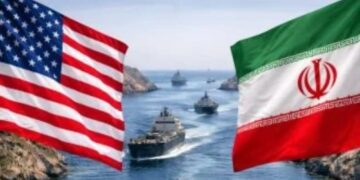













































































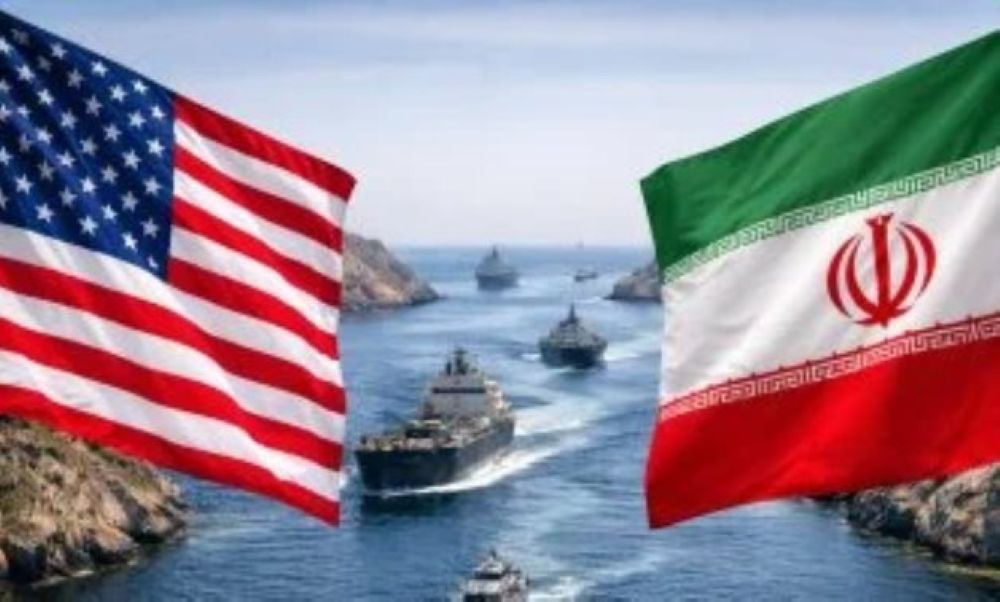
The United States has reiterated its willingness to negotiate with Iran to end the escalating conflict in the Middle East, but accused Tehran of failing to demonstrate genuine commitment to diplomacy as the fighting continues to disrupt global energy markets.
U.S. Secretary of State Marco Rubio made the remarks during a meeting of Southeast Asian foreign ministers, saying Washington remains prepared for dialogue but insists Iran must engage in meaningful negotiations.
According to Rubio, the United States is ready to pursue a diplomatic solution if Iran shows seriousness about ending the conflict.
“If they are serious about talks, we are serious. If they are not, we will continue to protect our interests and those of our allies,” he said.
His comments came as the conflict entered another dangerous phase, with growing concerns over the safety of two of the world’s busiest oil shipping routes.
Oil supply fears deepen
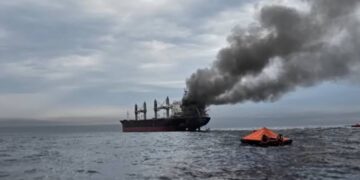
The latest tensions have raised fresh worries over global crude oil supplies after three Saudi oil tankers carrying cargoes to Asia reportedly changed course in the Red Sea following threats from Yemen’s Iran-backed Houthi movement.
The Houthis recently announced what they described as a naval blockade against Saudi Arabia, warning they could target vessels transporting Saudi crude through the Bab el-Mandeb Strait, a strategic waterway linking the Red Sea to the Gulf of Aden.
The development comes while Iran continues to threaten shipping through the Strait of Hormuz, another vital maritime route through which a significant share of the world’s crude oil exports passes.
Analysts say any prolonged disruption at either chokepoint could push international oil prices even higher, with ripple effects on fuel costs and inflation across oil-importing countries, including Nigeria.
Brent crude remained above $91 per barrel on Wednesday, while U.S. gasoline prices also climbed following renewed concerns over supply.
Diplomatic efforts continue
Despite the continued fighting, efforts to broker another ceasefire remain ongoing.
Iran has reportedly received a proposal from international mediators for a fresh 10-day ceasefire aimed at reviving an earlier truce that collapsed weeks ago.
Iranian Interior Minister Eskandar Momeni has also visited Pakistan, seeking Islamabad’s assistance in facilitating further diplomatic engagement.
However, no breakthrough has been announced.
Fresh military attacks
Military operations continued overnight as U.S. forces carried out another round of strikes across Iran, marking the eleventh consecutive night of attacks.
Iranian media reported explosions in several areas, including Bushehr Province, home to the country’s only nuclear power plant.
Authorities said an electricity facility near the nuclear installation was among the sites hit.
Iran responded by claiming it launched drone attacks against U.S. military facilities in Kuwait, Jordan and Bahrain.
According to the Iranian military, its drones targeted aircraft maintenance areas, equipment warehouses and accommodation facilities used by American forces.
The reports could not be independently verified.
US military casualties rise
President Donald Trump confirmed that 18 American service members have now been killed since the conflict escalated, including four troops who died in recent Iranian attacks on U.S. military bases in Jordan and Iraq.
The rising death toll has intensified pressure on Washington as the conflict drags on.
Warning over international waterways
Rubio warned that allowing Iran to dictate access to international shipping lanes would set a dangerous precedent that could affect other regions of the world.
He argued that if any country were allowed to impose tolls or threaten commercial vessels in international waters, similar actions could emerge elsewhere, threatening global trade.
His comments also referenced concerns in Asia, where maritime disputes remain unresolved.
Houthis threaten more attacks
The Houthis have also warned shipping companies that vessels involved in transporting Saudi crude could become legitimate targets.
In response, President Trump said the United States would take action if the group attempted to shut down the Bab el-Mandeb Strait completely.
“So far it hasn’t happened. If it does, we’ll deal with it,” Trump said.
The Bab el-Mandeb, often described as one of the world’s most strategic maritime gateways, is a key route for oil exports heading to Europe and Asia.
Civilian casualties mount
Iranian health officials said recent U.S. airstrikes have killed at least 50 civilians and injured about 500 others.
The war, which began after U.S. and Israeli strikes on Iran earlier this year, has continued to expand across the region, raising fears of a broader conflict with significant consequences for global energy markets and the world economy.