



















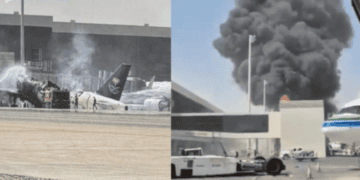



















































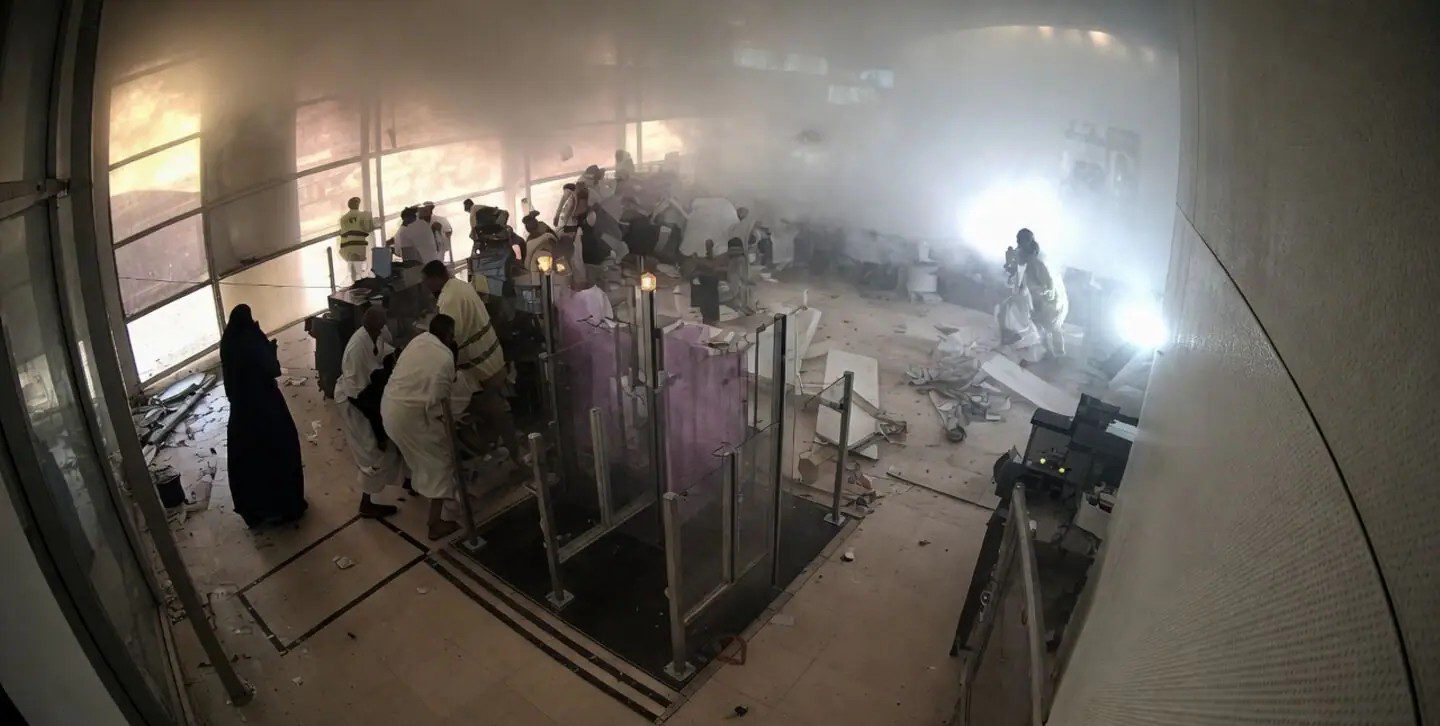
Air traffic over Saudi Arabia’s capital, Riyadh, remained severely disrupted on Monday as authorities extended the suspension of operations at King Khalid International Airport following deadly attacks blamed on Yemen’s Iran-aligned Houthi movement.
The Saudi civil aviation authority said the airport would remain closed to allow officials to complete safety checks and ensure its facilities were ready to resume operations.
King Khalid International Airport, the kingdom’s second-busiest after Jeddah, has been shut since Saturday’s attack, which killed 13 people and injured more than 300. The strike was described as the deadliest in Saudi Arabia in more than a decade.
A further attack on Sunday killed one person and injured nearly a dozen others, deepening concerns over the safety of the kingdom’s aviation infrastructure.
The incidents have triggered one of the most serious disruptions to Saudi air travel in recent years, adding to the challenges facing airlines already contending with conflict across the Middle East and rising jet fuel costs.
Flight cancellations spread across Saudi Arabia
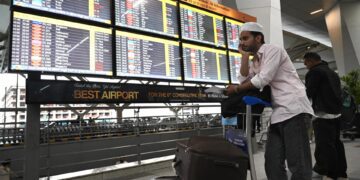
Data from aviation analytics firm Cirium showed that 82 per cent of flights scheduled at Riyadh airport had been cancelled by 1200 GMT on Monday, with the figure potentially rising further.
Cancellations across all Saudi airports reached 46.4 per cent, according to the firm.
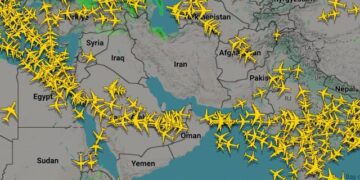
Flight-tracking data from Flightradar24 showed aircraft largely avoiding Riyadh, although planes continued to cross Saudi airspace and land at Jeddah, a major aviation hub on the kingdom’s western coast.
The disruption has forced airlines in Europe and Asia to suspend or extend the suspension of services to the Saudi capital.
The United States Federal Aviation Administration advised American carriers on Sunday to exercise caution when flying to or over Saudi Arabia. The European Union Aviation Safety Agency had also expanded its warning concerning Saudi airspace on Friday, citing the risk of missile and drone attacks.
Germany’s Lufthansa Group suspended all flights to Riyadh until October 16, while Air France-KLM extended its suspension of services to and from the capital until the end of October.
Abu Dhabi-based Etihad Airways was among the carriers extending cancellations, affecting about 20 flights serving Riyadh, Jeddah and Dammam on Monday and Tuesday.
The uncertainty has left airlines reviewing their schedules as they assess the security risks and the potential duration of the disruption.
Saudi investment and energy events face uncertainty
The escalation has also raised concerns about the wider economic consequences for Saudi Arabia, particularly as the kingdom prepares to host major international business and energy gatherings.
Events scheduled in Riyadh this month are facing mounting pressure, including the kingdom’s flagship investment conference and the WPC Energy Congress.
The security situation has already affected the energy congress programme, with several leading oil executives removed from the list of participants.
The disruptions come as Saudi Arabia faces a challenging economic outlook. The country’s real gross domestic product is projected to contract by 3.6 per cent this year, reflecting several factors, including reduced oil-sector activity.
The latest attacks have added another source of uncertainty for businesses, investors and event organisers, while the suspension of flights threatens to complicate international travel to the kingdom.
The duration of the airport shutdown and the extent of the impact on scheduled business events remain uncertain as authorities continue to assess safety conditions following the weekend attacks.