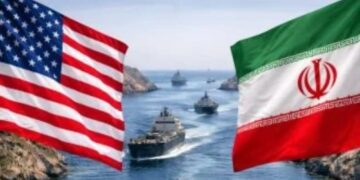





































































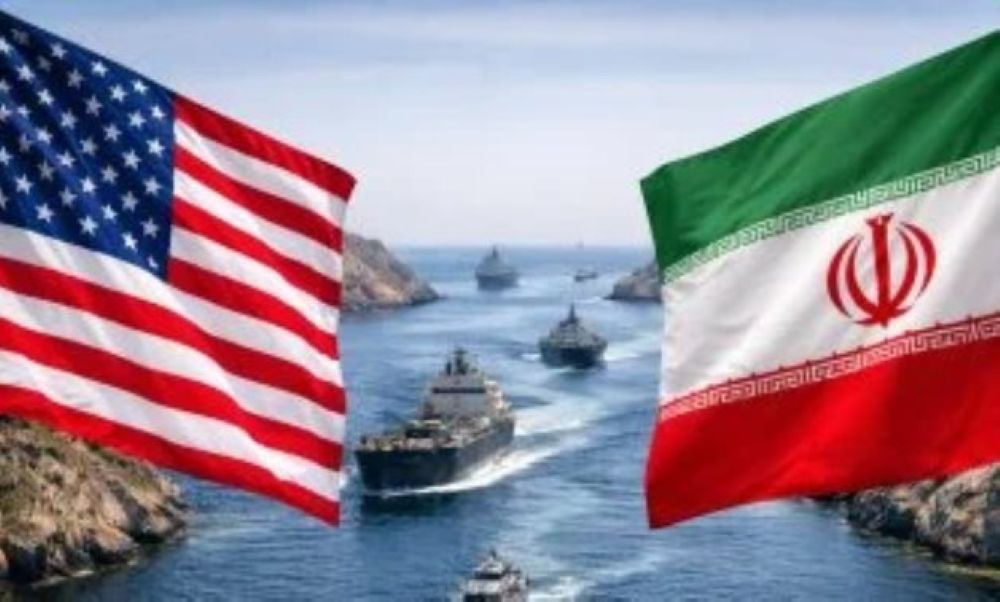
Hopes for a diplomatic breakthrough between the United States and Iran ensued on Friday after U.S. President Donald Trump said a peace agreement could be signed as early as this weekend, raising expectations that an end to the three-month-old conflict may be within reach.
The development comes amid renewed international efforts to halt a war that has claimed thousands of lives, disrupted global energy markets and heightened tensions across the Middle East.
Speaking on the progress of negotiations, Trump expressed optimism that a deal was close, although Iranian officials cautioned that no final decision had yet been taken.
Howver, according to Tehran, the proposed agreement remains under review, with Iranian authorities still evaluating its terms before making a formal commitment.
If finalized, the accord would represent the most significant diplomatic breakthrough since hostilities erupted, potentially paving the way for a broader de-escalation of tensions between Washington and Tehran.
The conflict has intensified in recent weeks despite previous ceasefire efforts, with both sides accusing each other of actions that undermined negotiations.
One of the major consequences of the crisis has been the disruption of maritime traffic through the Strait of Hormuz, one of the world’s most strategically important energy corridors.
Iran’s restrictions on shipping through the waterway have significantly affected global oil supplies, contributing to sharp increases in crude prices and renewed concerns over energy security.
However, market sentiment improved on Friday following Trump’s remarks.
Oil prices retreated as investors reacted positively to the prospect of a diplomatic resolution, while global stock markets recorded gains amid hopes that tensions in the region could soon ease.
Analysts said a successful agreement would likely reduce geopolitical risks in the Middle East, restore confidence in energy markets and help stabilize global supply chains affected by the conflict.
Despite the optimism, uncertainty remains over whether both sides can overcome key sticking points in the negotiations.
Iranian officials have maintained that any agreement must address their core economic and security concerns, while Washington continues to insist on guarantees regarding regional stability and security commitments.
Diplomatic observers say the coming days could prove decisive, with negotiators working to bridge remaining differences before any formal announcement is made.
For now, investors, governments and energy markets are closely watching developments, with expectations rising that a deal could mark a turning point in one of the most consequential geopolitical crises of recent years.