

























































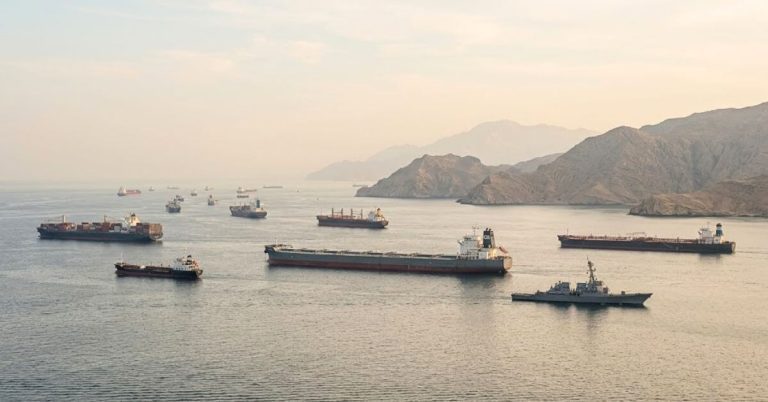
The United States and Iran have reached a preliminary agreement aimed at ending months of hostilities and reopening the strategically important Strait of Hormuz, a development that triggered a sharp decline in global oil prices and renewed hopes for stability in the Middle East.
The framework agreement, described by officials as the most significant diplomatic breakthrough since the outbreak of the conflict earlier this year, is expected to pave the way for broader negotiations on Iran’s nuclear programme and regional security issues.
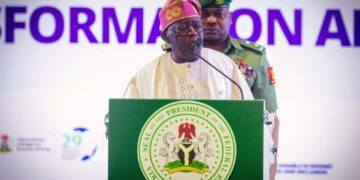
U.S. President Donald Trump announced the breakthrough on Sunday, declaring that an agreement with Iran had been completed and that efforts were underway to restore normal maritime activity through the Strait of Hormuz, a critical global energy corridor.
The announcement came shortly after Pakistani Prime Minister Shehbaz Sharif, whose government has played a mediating role in the negotiations, disclosed that both sides had agreed on a framework to halt hostilities and move toward a comprehensive settlement.
According to Sharif, the memorandum of understanding is expected to be formally signed in Switzerland later this week.
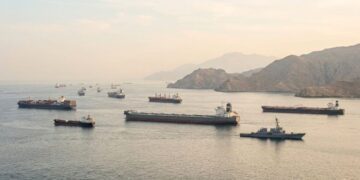
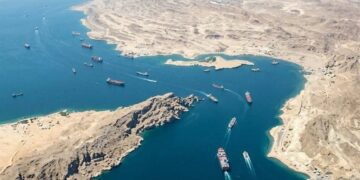
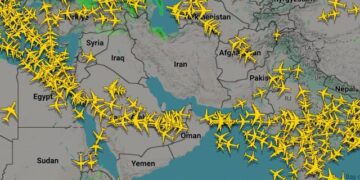
The proposed agreement reportedly provides for the immediate cessation of military operations across all fronts and the reopening of the Strait of Hormuz, which handles a significant share of global oil and gas shipments and has been largely disrupted during the conflict.
The development comes despite continuing tensions in Lebanon, where military confrontations involving Israel and Iran-backed Hezbollah have complicated diplomatic efforts in recent months.
Iran’s Supreme National Security Council confirmed that military operations linked to the conflict would cease, while Foreign Minister Abbas Araqchi stressed that any lasting settlement must include a complete halt to Israeli attacks in Lebanon.
Although details of the framework remain limited, Iranian officials indicated that broader negotiations would continue during a proposed 60-day ceasefire period. Those discussions are expected to address sanctions relief, regional security arrangements and the future of Iran’s nuclear programme.
The fate of Tehran’s uranium enrichment activities remains one of the most sensitive issues. While U.S. officials have maintained that any final agreement must significantly curtail Iran’s nuclear capabilities, Iranian authorities insist their programme remains peaceful and have rejected demands for its complete dismantlement.
Markets reacted positively to the announcement, with Brent crude prices falling by more than four per cent in early trading as fears of prolonged disruptions to global energy supplies eased. Stock markets also recorded gains amid optimism that the agreement could help stabilize the region and reduce pressure on energy costs.
Trump said the Strait of Hormuz would reopen to international shipping this week and indicated that restrictions affecting Iranian ports would also be lifted as part of the emerging agreement.
The conflict, which began following joint U.S.-Israeli military operations against Iran earlier in the year, has claimed thousands of lives, displaced large numbers of civilians and triggered sharp volatility in global energy markets.
International reactions to the announcement were largely positive. Britain, France, Germany and Italy signalled their readiness to consider sanctions relief if Iran takes verifiable steps to limit its nuclear activities, while China also welcomed the agreement.
Diplomatic sources said negotiations would continue in the coming weeks as both sides seek to transform the framework agreement into a comprehensive peace accord capable of ending one of the region’s most consequential conflicts in recent years.