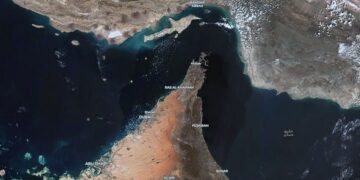


































































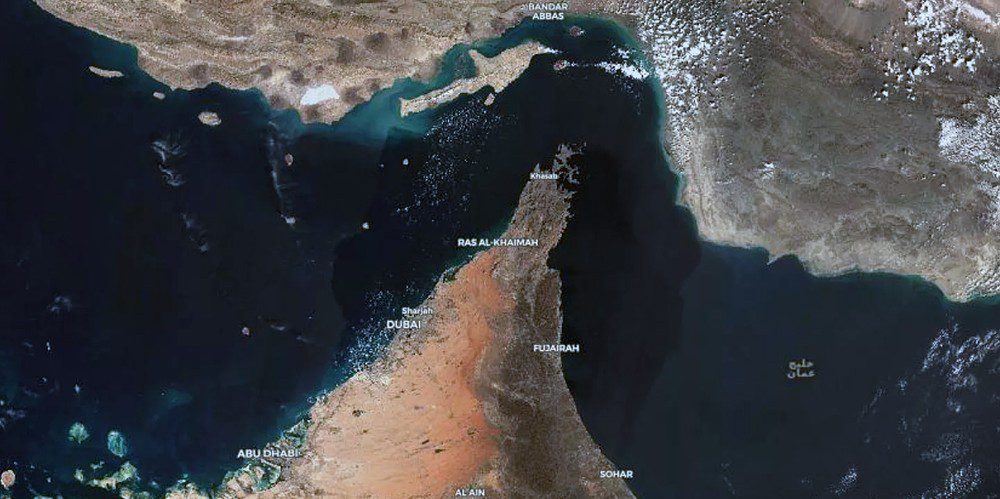
Iran has dismissed a proposal by Oman to establish a joint regional management system for the Strait of Hormuz, dealing a fresh blow to diplomatic efforts aimed at easing tensions around one of the world’s most strategically important oil shipping routes.
The latest development comes as military exchanges between Iran, the United States and their regional allies continue to escalate, raising renewed concerns over global energy supplies and maritime security.
According to Iranian officials, Tehran has no intention of accepting a shared management arrangement for the Strait of Hormuz, arguing that such a proposal does not align with the country’s national interests.
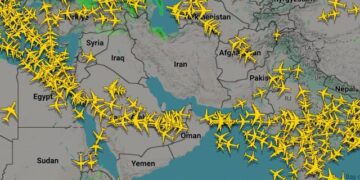
The Strait of Hormuz remains a critical global trade corridor, with a significant share of the world’s crude oil and liquefied natural gas exports passing through the narrow waterway.
Iran maintains that vessels entering the strait should continue to follow routes recognized by Tehran, insisting that portions of the shipping channel remain under its authority.
Although Iranian officials described Oman as an important regional partner, they rejected suggestions that control of the strategic waterway should be jointly administered.
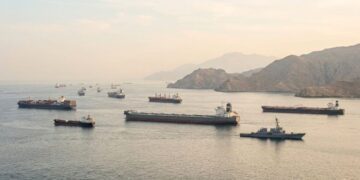
Iran’s Revolutionary Guard Corps (IRGC) claimed its naval forces intercepted and halted three oil tankers after accusing them of using what it described as unsafe and unauthorized shipping routes through the strait.
The IRGC also warned that it would continue enforcing its maritime rules and accused the United States of interfering in regional waters.
Independent verification of Iran’s claims has not yet been confirmed.
The diplomatic setback coincided with another spike in military activity across the Middle East.
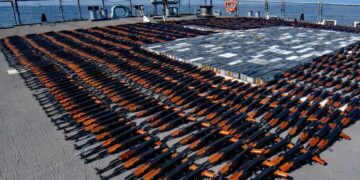
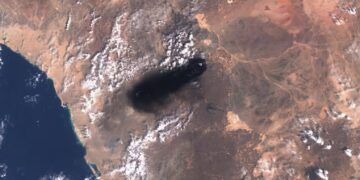
The United States and Saudi Arabia announced coordinated strikes against what they described as Iran-backed armed groups operating in eastern Iraq. The operation followed recent drone attacks targeting Saudi oil facilities.
In response, Iranian officials rejected accusations linking Tehran directly to attacks launched from neighbouring countries, warning that such claims risk further escalating the conflict.
Iran also claimed to have launched missiles targeting American military positions in Jordan, although Jordanian authorities said their air defence systems intercepted several incoming projectiles before they reached their targets.
Meanwhile, Iraq’s Popular Mobilization Forces reported that some of their facilities had been struck during the military operations, with casualties and property damage reported.
The renewed hostilities have once again unsettled global energy markets.
International oil prices climbed after news of the latest attacks, as investors worried that prolonged instability around the Strait of Hormuz could disrupt crude oil exports from the Gulf.
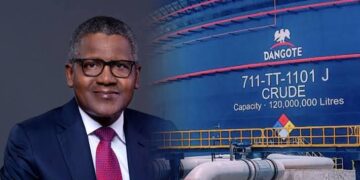
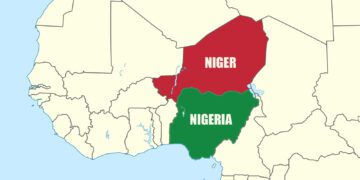
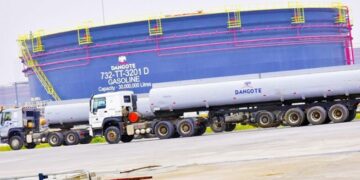
Any sustained disruption in the region is likely to have implications far beyond the Middle East, with countries dependent on imported fuel, including Nigeria, closely watching developments.
While higher crude prices may boost Nigeria’s oil revenue, they could also increase the cost of refined petroleum products, transportation, aviation fuel and imported goods, placing additional pressure on inflation and household expenses.
Oman had been attempting to broker a regional agreement that would allow Gulf countries to jointly oversee navigation through the Strait of Hormuz.
The proposal reportedly included a system of voluntary transit contributions by commercial vessels to support navigation safety, environmental protection and emergency response, similar to arrangements used in Southeast Asia’s Strait of Malacca.
However, Iran’s rejection of the proposal leaves the future of negotiations uncertain and raises fresh questions about the prospects for restoring stability to one of the world’s most important energy corridors.