


























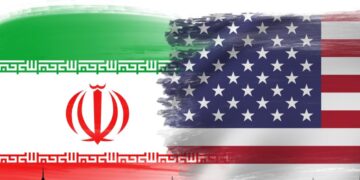
















































Iran says it has carried out strikes against targets linked to the United States in retaliation for recent American airstrikes on its southern coastline, escalating tensions despite a ceasefire agreement intended to halt nearly four months of conflict.
The Iranian Foreign Ministry said on Saturday that its military action was a “defensive response” to what it described as “barbaric airstrikes” carried out by the United States against Iranian coastal surveillance facilities. Tehran also accused Washington of violating international law and the United Nations Charter through the attacks.
However, Iranian authorities did not disclose the exact locations of the targets allegedly struck.
The latest exchange came as both Tehran and Washington accused each other of breaching the interim ceasefire agreement reached last week to end months of hostilities.
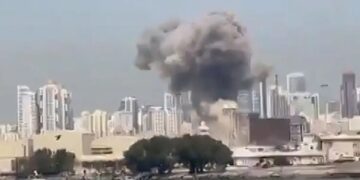
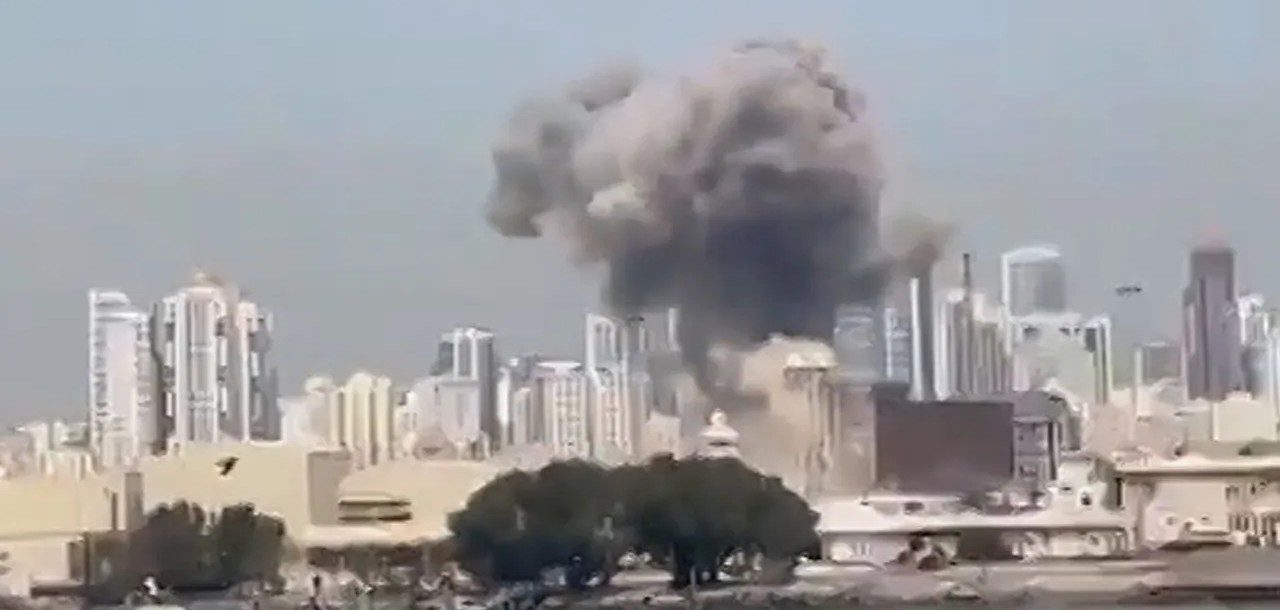
In a related development, Bahrain announced that it had come under an Iranian drone attack, describing the incident as a blatant violation of its sovereignty and a direct threat to national security.
The Gulf kingdom, which hosts the United States Navy’s Fifth Fleet, said it reserved the right to defend itself against further attacks.
Bahrain also accused Iran of undermining regional peace efforts and violating international agreements, including a recent memorandum of understanding reached in Islamabad aimed at reducing tensions.
The United States had not officially responded to Iran’s claim of striking American-linked targets at the time of filing this report.
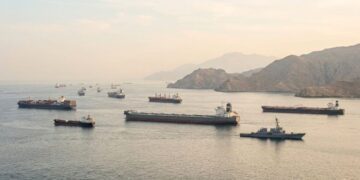
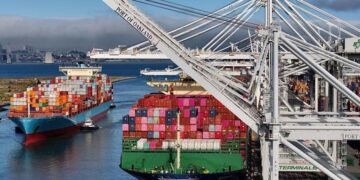
The US military maintained that its airstrikes on Friday were carried out in response to an earlier Iranian drone attack on a commercial cargo vessel transiting the Strait of Hormuz, one of the world’s most strategic maritime trade routes.
American officials described the operation as a defensive measure designed to protect international shipping and regional stability.
Iran has continued to assert control over navigation through the Strait of Hormuz, insisting that vessels using the waterway must comply with routes designated by Tehran.
The country’s parliamentary National Security Committee Chairman, Ebrahim Azizi, warned that any vessel violating Iran’s shipping directives would face a decisive response.
Following Thursday’s attack on a cargo ship near Oman’s coastline, Iran stopped short of claiming responsibility but reiterated its authority over shipping activities in the strategic waterway.
The Strait of Hormuz handles roughly one-fifth of global oil and liquefied natural gas exports, making it one of the world’s most critical energy corridors.
In response, the US Central Command condemned the attack on commercial shipping as “unwarranted aggression” and reaffirmed Washington’s commitment to ensuring safe passage for merchant vessels navigating the strait.
US Secretary of State Marco Rubio also joined Gulf Cooperation Council leaders in calling for unrestricted freedom of navigation through the waterway without tolls or unilateral control by any country.
Iran, however, insisted that administration of the Strait of Hormuz should remain solely under the authority of Iran and neighbouring Oman.
Meanwhile, Israel and Lebanon signed what both governments described as an initial peace agreement aimed at ending months of fighting involving Iran-backed Hezbollah.
The agreement reportedly provides for the gradual withdrawal of Israeli troops from southern Lebanon and calls on Hezbollah to disarm.
However, Hezbollah has rejected the arrangement, declaring that it will not cooperate with the implementation of the agreement, raising fresh doubts over its effectiveness.
US Vice President JD Vance insisted that Washington had honoured every aspect of the ceasefire agreement and warned Tehran against further military escalation.
“Iran signed a ceasefire agreement. We have honoured it. If they have disagreements about how the memorandum is being applied, they can pick up the phone. But violence will be met with violence,” Vance said.
Despite renewed military exchanges, global oil markets remained relatively calm after prices had fallen sharply earlier in the week following optimism over the ceasefire.
Saudi Aramco has resumed crude exports from its Ras Tanura terminal after nearly four months of disruption, while tanker traffic through the Strait of Hormuz has gradually increased.
Industry analysts say the resumption of shipping has eased fears of prolonged supply disruptions, although the latest escalation could once again increase uncertainty in global energy markets.
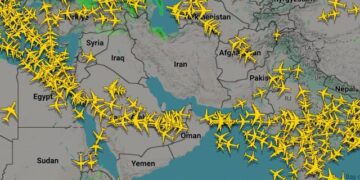
Regional observers warn that continued exchanges between Iran and the United States risk undermining fragile diplomatic efforts aimed at ending the conflict and restoring stability across the Middle East.