

























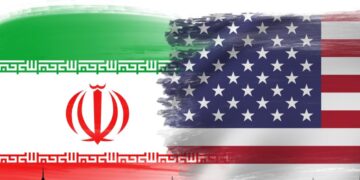













































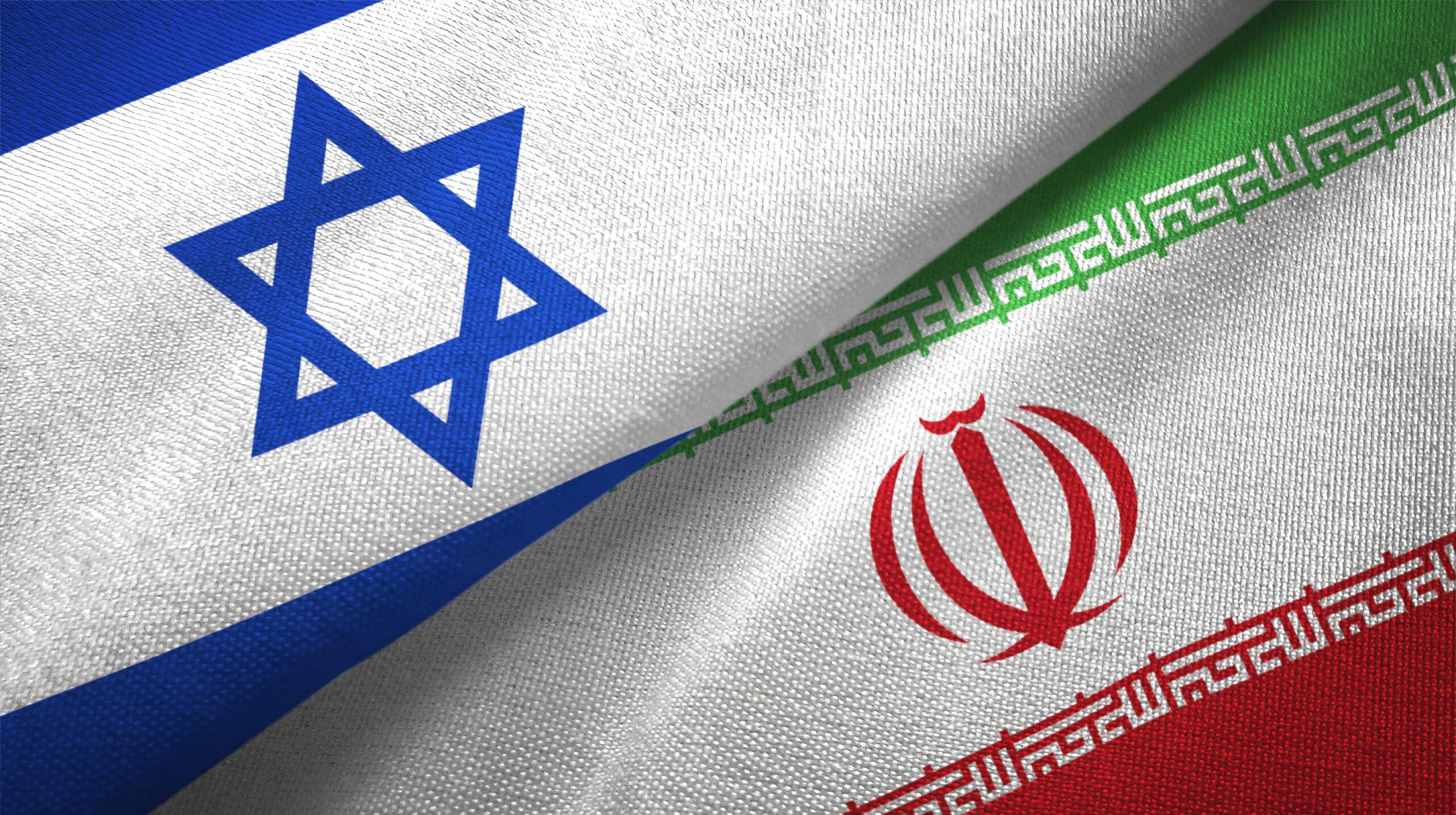
Iran and Israel on Monday signalled a temporary halt to direct military attacks against each other following an appeal by U.S. President Donald Trump for both sides to immediately cease hostilities, easing fears of a wider regional escalation.
The latest exchange marked the most significant direct confrontation between the two countries since an April ceasefire that halted large-scale fighting in their more than three-month-old conflict.
Iran’s military announced that its latest round of strikes against Israel had concluded, while a source familiar with the matter said Israel had also decided to suspend further attacks for the time being.
The de-escalation followed a series of retaliatory strikes over the weekend that heightened tensions across the Middle East and threatened ongoing diplomatic efforts aimed at ending the conflict.
The latest flare-up began after Israeli strikes targeted positions linked to the Iran-backed Hezbollah movement on the outskirts of Beirut, Lebanon.
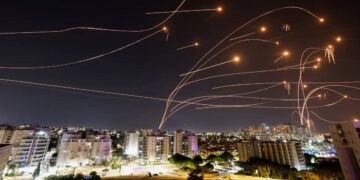
In response, Iran launched missiles toward Israeli territory, describing the operation as retaliation for attacks on its regional ally.
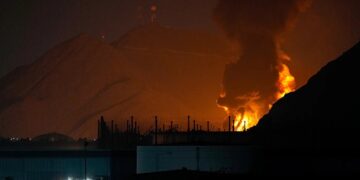
Israel subsequently carried out strikes on a petrochemical facility in southwestern Iran, claiming the site was involved in the production of materials used for Tehran’s ballistic missile programme.
Iran’s Islamic Revolutionary Guard Corps (IRGC) later said it had responded by targeting a comparable facility in the Israeli city of Haifa.
In a statement, Iran’s military described its action as a “painful response” to Israeli operations in Lebanon but indicated that military operations had now been suspended.
“Operations of the armed forces are hereby declared halted,” the statement said, while warning that any further attacks, particularly in southern Lebanon, could trigger a more severe response.
President Trump intensified calls for restraint as the conflict threatened to derail ongoing diplomatic efforts between Washington and Tehran.
In a series of public statements, Trump said both countries wanted an immediate ceasefire and urged them to stop further military action.
“Final negotiations on peace are proceeding,” Trump said, while cautioning against actions that could undermine diplomatic progress.
An Israeli official confirmed that Trump held discussions with Prime Minister Benjamin Netanyahu as efforts continued behind the scenes to preserve the fragile calm.
Global oil markets reacted sharply to the renewed hostilities, with crude prices initially surging by more than five per cent amid concerns about supply disruptions in the Gulf.
However, prices later retreated after Iran announced the suspension of its military operations, easing immediate fears of a broader regional conflict.
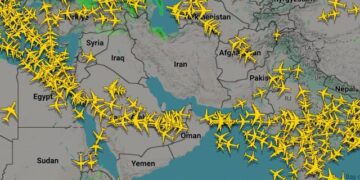
The conflict has already placed significant pressure on global energy markets, particularly because of disruptions affecting the Strait of Hormuz, a critical maritime route through which roughly one-fifth of the world’s oil and liquefied natural gas supplies normally pass.
Analysts noted that the temporary pause in hostilities reduced concerns over further disruptions to energy shipments, although uncertainty remains high.
Despite the apparent halt in direct attacks, both sides maintained a cautious and defiant posture.
Israeli Defence Minister Israel Katz warned that Israel would respond forcefully to any future attacks originating from Lebanon.
Similarly, Iranian officials reiterated that Tehran remained prepared for a prolonged confrontation if necessary.
Iranian Foreign Ministry spokesman Esmaeil Baghaei accused Israel of attempting to undermine diplomatic efforts and said relations with Washington remained marked by “extreme suspicion.”
Meanwhile, reports of explosions in Tehran and continued military activity involving regional allies, including Yemen’s Houthi movement and Hezbollah, underscored the fragility of the current calm.
The latest developments come as the United States seeks to broker a broader agreement aimed at ending the conflict and addressing longstanding disputes over Iran’s nuclear programme, sanctions relief and regional security arrangements.
Iran has maintained that any lasting agreement must include the lifting of international sanctions, the release of frozen assets and broader guarantees regarding regional security issues.
While Monday’s pause in hostilities has reduced immediate fears of a wider war, analysts caution that the situation remains highly volatile, with any new military incident capable of reigniting direct confrontation between the two regional rivals.