













































































Global oil prices rose on Wednesday after two vessels were struck in the Strait of Hormuz, while Iranian officials said Tehran had introduced new tactics to target shipping in a move aimed at keeping crude prices elevated and influencing the US midterm elections.
Brent crude futures gained 3 cents to $105.72 per barrel by 0819 GMT, while US West Texas Intermediate crude rose 14 cents to $94.28. Both benchmarks had advanced by more than $1 earlier in the session before paring their gains.
The latest attacks have heightened concerns about oil supplies from the Middle East, where disruptions to shipping and escalating military operations threaten to constrain exports.
“Attacks on ships crossing the Strait of Hormuz and military strikes between Saudi Arabia and the Houthis are supporting prices as market participants remain concerned about lower oil exports from the region,” UBS analyst Giovanni Staunovo said, noting that exports had so far held up.
Iranian officials told Reuters that the country had begun using different offensive tactics against ships about 10 days ago, although they declined to disclose details of the strategy.
Tanker Attacks Add to Regional Tensions
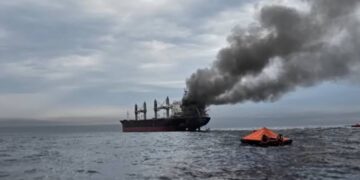
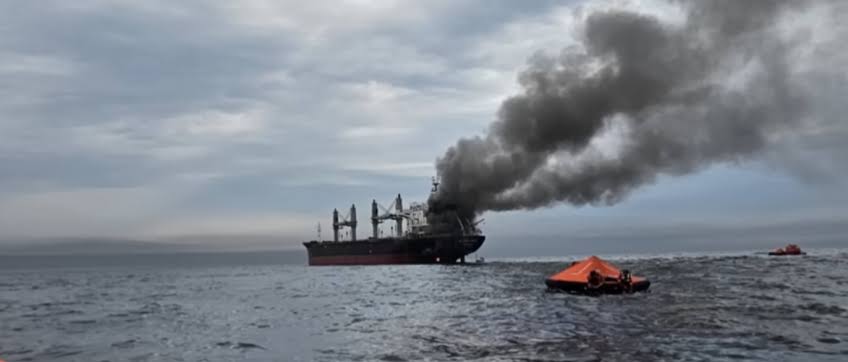
The United Kingdom Maritime Trade Operations said on Tuesday that a container ship and an oil tanker had been hit by unidentified projectiles while travelling through the Strait of Hormuz, a critical route for global energy supplies.
The attacks have intensified concerns about the security of maritime traffic as the conflict involving Iran spreads across the region.
Priyanka Sachdeva, head of market insights at Phillip Nova, said Iran’s reported efforts to disrupt shipping raised questions about the intentions behind diplomatic efforts to ease tensions.
“That Iranian officials are openly admitting to undermining US efforts to keep oil prices under control speaks volumes about the real intentions behind the so-called ‘peace talks’,” she said.
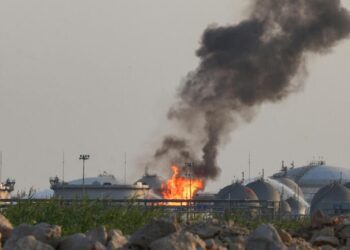
The threat to regional energy infrastructure was further underscored by an attack on an administrative building belonging to Saudi Aramco in Dhahran. Saudi Arabia’s Energy Ministry said the strike caused a limited fire but no casualties.
The attack was attributed to the Iran-aligned Houthi movement, which has launched ballistic missiles and drones at Saudi targets over the past week in retaliation for Riyadh’s support for Yemeni government forces.
Riyadh’s international airport has been struck four times during the latest escalation, with an attack on Saturday killing 13 people.
Russian Diesel Supplies May Limit Price Gains
Despite the upward pressure from regional hostilities, expectations of increased Russian diesel exports could help prevent further sharp movements in oil prices.
Hiroyuki Kikukawa, chief strategist at Nissan Securities Investment, said anticipated increases in Russian diesel supplies were likely to ease some pressure on the market.
US President Donald Trump said last Friday that Russia had agreed to supply diesel to global markets. His administration also temporarily eased sanctions on Russian fuel, which had been imposed to limit Moscow’s revenue for its war in Ukraine.
However, the extent to which additional Russian supplies can ease global fuel shortages remains uncertain.
The International Energy Agency said on Wednesday that Russian crude oil production rose by 65,000 barrels per day in September to 8.43 million barrels per day. Output nevertheless remained 870,000 barrels per day below its level a year earlier.
The agency also warned that limited operating capacity at Russian refineries could restrict the impact of the easing of export restrictions on the global gasoil market.
As a result, expectations of increased Russian diesel exports may not translate into a significant improvement in global supply conditions.
Diesel Shortages Could Extend Into 2027
The outlook for refined fuel supplies remains a concern as markets contend with the combined effects of shipping disruptions, regional conflict and constraints on refinery output.
The IEA’s assessment suggests that additional Russian exports may not be sufficient to resolve tightness in the diesel market, even as traders look for supplies to offset disruptions in the Middle East.
For oil markets, the balance between escalating security risks and the prospect of additional fuel supplies is likely to remain a key driver of prices.
With attacks on shipping continuing and the conflict involving Saudi Arabia and the Houthis intensifying, traders are watching developments around the Strait of Hormuz closely for signs of further disruption to global energy flows.
Source: Reuters