












































































A new outbreak of mpox in Guinea-Bissau is raising fresh concerns about the virus’ continued spread across West Africa, particularly as health authorities report a significant number of suspected cases among young children.
Mpox, formerly known as monkeypox, has continued circulating globally since the major international outbreak began in 2022. Nearly 190,000 laboratory-confirmed cases have been reported across 145 countries since then, according to global health data.
The latest development is particularly relevant to West Africa, where countries including Nigeria, Guinea and Sierra Leone have recorded outbreaks in recent years.
What exactly is mpox?
Mpox is a viral infection that can spread through close physical contact. It commonly begins with symptoms such as fever, chills, tiredness, muscle aches and swollen lymph nodes before a rash develops.
The rash can progress from raised spots to fluid-filled blisters and eventually scabs.
The World Health Organization adopted the name “mpox” in 2022 after concerns that the former name, monkeypox, could contribute to stigma and discrimination.
Although the virus has historically been associated with parts of Africa, it has increasingly demonstrated its ability to spread from person to person and establish transmission in countries where it was previously uncommon.
Why are more countries seeing cases?
Health experts say the spread is largely linked to sustained human-to-human transmission.
Mpox occurs in different viral groups, known as clades. Some strains have become particularly effective at spreading through close contact.
During the 2022 global outbreak, transmission was largely associated with sexual networks. Other outbreaks, particularly in parts of Central Africa, have also shown how the virus can spread among people living in crowded conditions.
That means communities with overcrowding, limited healthcare access and displaced populations can face additional risks.
Experts say the appearance of mpox in more West African countries is therefore not entirely unexpected.
Guinea-Bissau outbreak raises concern over children
The situation in Guinea-Bissau is attracting particular attention because it is the country’s first reported outbreak.
UNICEF has expressed concern over the age profile of suspected infections. Of 46 suspected cases reported, 23 involved children below the age of 15, with many of those children under four.
Young children can be more vulnerable to severe mpox, particularly when they have underlying health problems or limited access to medical care.
However, health experts caution that the high proportion of children among reported cases may partly reflect how people seek treatment. Families may be more likely to take a seriously ill child to a health facility than an adult, meaning the available figures may not fully represent community transmission.
Children also have frequent close contact with parents, siblings and other children, which can create opportunities for the virus to spread.
Another concern is that confirmed cases in Guinea-Bissau do not appear to have obvious links to one another. That could indicate that the virus is already circulating more broadly in the community and that some infections are yet to be detected.
What does this mean for Nigeria and the region?
For West African countries, the development is another reminder that mpox cannot be treated as a one-off outbreak.
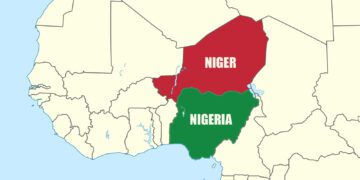
Nigeria has previously dealt with mpox cases, while neighbouring countries have also reported outbreaks. Increased movement of people across borders, crowded living conditions and gaps in disease surveillance can make it difficult to contain transmission once the virus enters a new area.
For Nigeria and other countries in the region, early detection will be crucial. Health authorities need to identify suspected cases quickly, test them, trace close contacts and ensure patients receive appropriate care.
Vaccines are available, but access remains a problem
Vaccination remains an important tool for controlling mpox outbreaks.
The WHO recommends vaccines for people at increased risk and, in certain circumstances, for people who have been exposed to a confirmed case.
The challenge, however, is availability.
Health experts say vaccine supplies are generally stronger in wealthier countries, while many of the communities facing the greatest risk of transmission have limited access to vaccines.
A new international vaccine stockpile is expected to improve the speed at which doses can be delivered to countries experiencing outbreaks.
Treatment alone will not stop the spread
There is also continuing research into medicines that could treat mpox.
One antiviral drug, tecovirimat, did not perform better than a placebo in a major trial involving patients with a particular mpox strain in the Democratic Republic of Congo. Researchers are still examining whether the drug could benefit certain high-risk patients.
Meanwhile, basic medical care remains extremely important.
Experts say treating dehydration, infections and other complications, while closely monitoring seriously ill patients, can significantly improve survival.
Surveillance remains the biggest defence
Health officials say containing mpox will require more than vaccines or medicines.
Countries need functioning disease-surveillance systems, accessible testing, trained healthcare workers, contact tracing and clear public information.
For West Africa, the emergence of mpox in another country is a warning to strengthen these systems before outbreaks become widespread.
The key lesson from the past few years is clear: vaccines can help control mpox, but early detection, contact tracing, proper patient care and strong public-health surveillance are just as important.