







































































A prominent Chinese Christian pastor who spent months in detention has been released from prison and has reunited with his family in the United States, ending a case that attracted international attention over religious freedom in China.
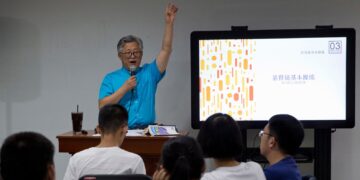
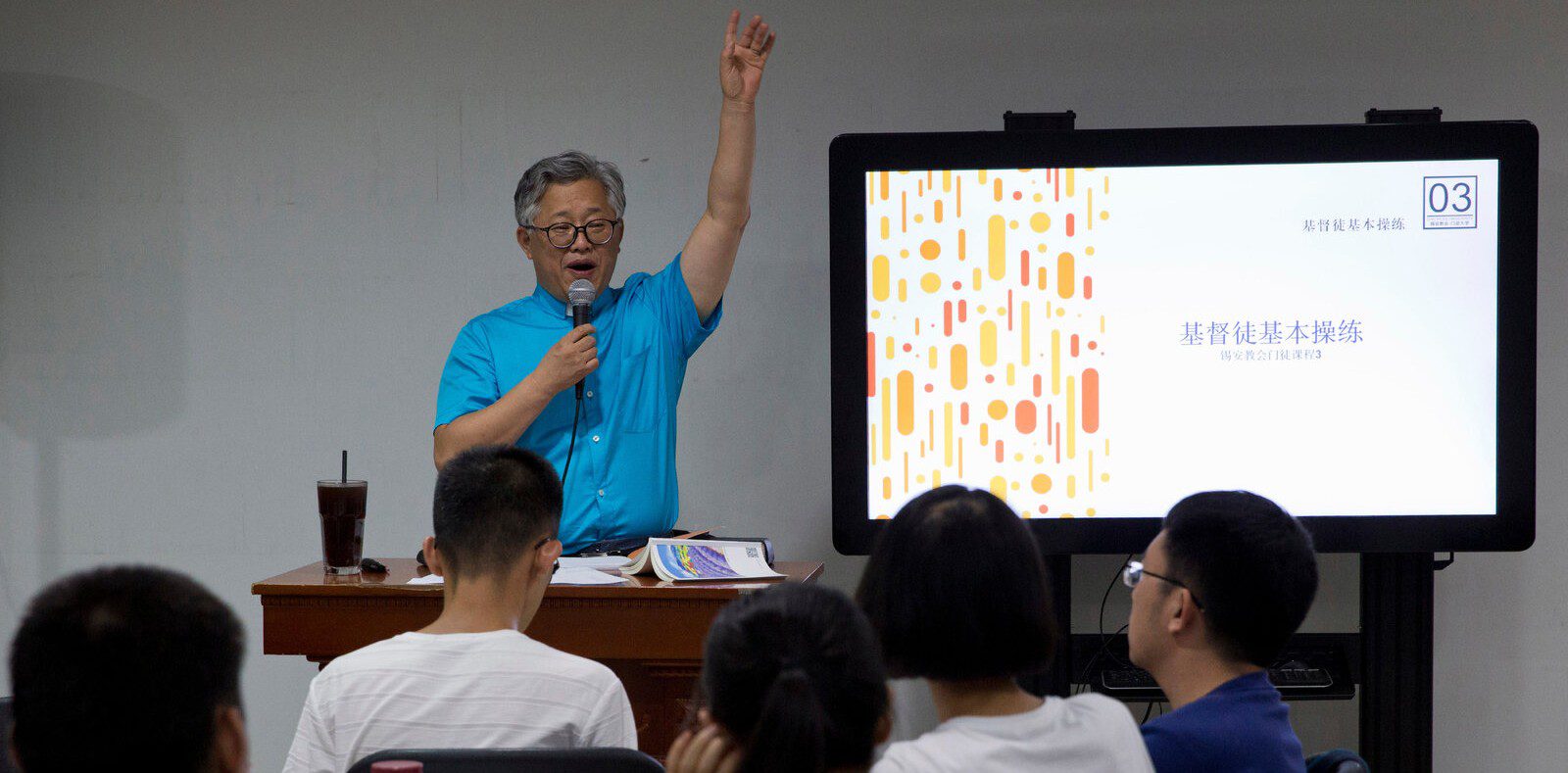
The pastor, Ezra Jin, is the founder of Zion Church, one of China’s best-known independent Christian congregations, which operated outside the country’s state-approved religious system.
His release follows months of diplomatic engagement between Beijing and Washington, although Chinese authorities have not publicly disclosed the circumstances surrounding the decision.
Jin was detained during a broader crackdown on members of unregistered churches, part of China’s continuing efforts to tighten oversight of religious organizations operating outside government-approved structures.
China officially permits religious worship but requires religious groups to register with state-sanctioned organizations. Independent churches that refuse government oversight have faced increasing restrictions in recent years, with some leaders prosecuted on charges ranging from illegal business activities to public order offences.
After establishing Zion Church in Beijing in 2007, Jin became one of the country’s most recognizable house church leaders. As official pressure on independent congregations intensified several years ago, he relocated his family to the United States while he continued to travel between both countries to oversee church activities.
He was later prevented from leaving China and subsequently detained, prompting appeals from international human rights advocates and religious freedom organizations for his release.
His return to the United States has been welcomed by several religious freedom groups, which described the development as a positive step but stressed that numerous members of independent Christian communities remain in detention across China.
Advocacy organizations have continued to call on Chinese authorities to ease restrictions on religious practice and release other detained church leaders and worshippers.
The case has also highlighted the broader issue of religious freedom in China, where authorities maintain strict oversight of faith-based organizations, arguing that religious activities must operate within the country’s legal and regulatory framework.
While Jin’s release marks the end of his detention, observers say it is unlikely to signal an immediate shift in China’s policy toward unregistered churches, with many independent religious groups continuing to face official scrutiny and restrictions.