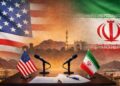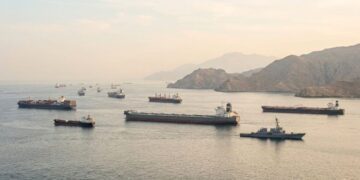














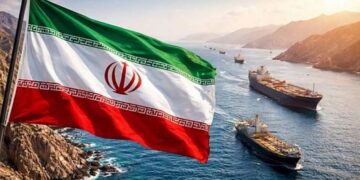






























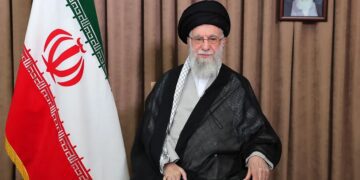



















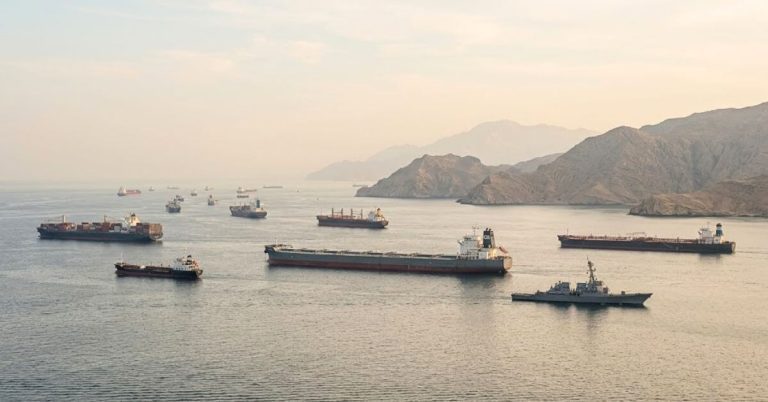
Iran has announced plans to introduce maritime transit fees for vessels using the Strait of Hormuz within two months, signalling a new phase in its control of one of the world’s most strategic shipping routes following the recently signed peace framework with the United States.
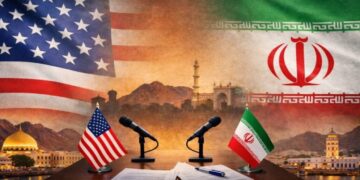
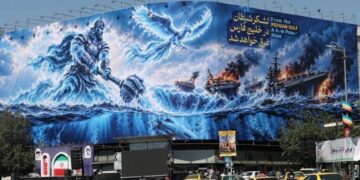
The announcement came as Tehran declared what it described as a historic victory over Washington after the signing of the Memorandum of Understanding that ended three months of conflict between the two countries.
According to Iranian officials, the proposed fee system will be introduced after the ongoing 60-day negotiation period established under the agreement. Tehran also insisted that the Strait of Hormuz remains under its control and warned that any European proposal to deploy a naval escort mission through the waterway would not be accepted.
The development adds another layer of uncertainty to the implementation of the U.S.-Iran peace framework, which is expected to address broader issues, including Iran’s nuclear programme and regional security arrangements during the negotiation period.
Meanwhile, fresh disagreement has emerged over the future of southern Lebanon.
Israeli newspaper Yedioth Ahronoth reported that Prime Minister Benjamin Netanyahu said Israeli forces would remain in the security zone they currently occupy in southern Lebanon for as long as Israel considers it necessary.
“We will maintain the security zone in south Lebanon as long as our security needs require it,” Netanyahu was quoted as saying.
The area under Israeli control covers more than 600 square kilometres of Lebanese territory along the border.
Netanyahu also reiterated that Israel would continue to pursue what he described as its overriding objective of preventing Iran from acquiring nuclear weapons.
Iran, however, maintains that the peace agreement’s provisions on Lebanon’s territorial integrity require a complete Israeli withdrawal from occupied Lebanese territory.
Tehran has argued that U.S. President Donald Trump bears responsibility for ensuring Israel complies with those terms under the agreement.
The differing interpretations of the deal have highlighted one of the major challenges facing negotiators as they seek to convert the interim framework into a permanent settlement.
The Strait of Hormuz carries roughly one-fifth of the world’s oil supplies, making any changes to shipping regulations or security arrangements in the waterway closely watched by global energy markets and governments.