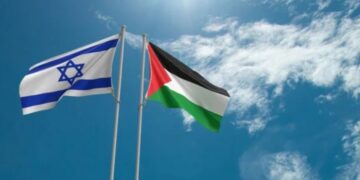




































































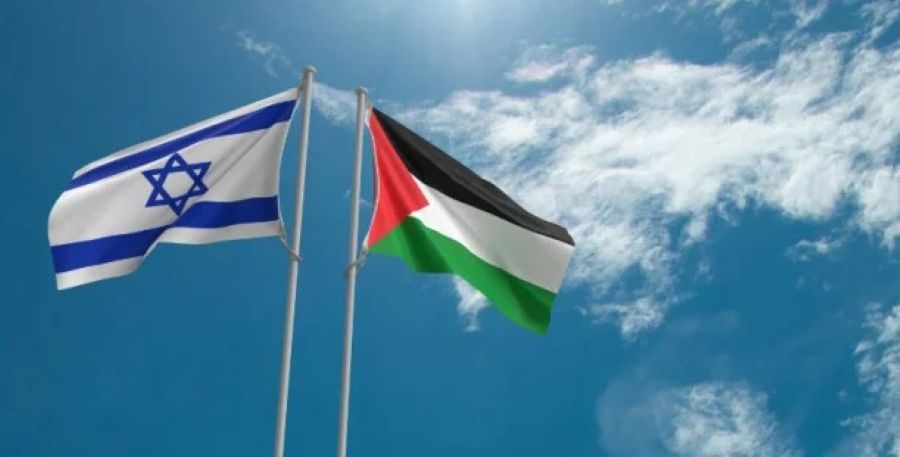
Israeli and Palestinian civil society organizations gathered in France on Friday to urge world leaders not to abandon efforts toward a two-state solution, as growing regional instability and renewed conflict threaten prospects for lasting peace in the Middle East.
The conference, attended by foreign ministers, diplomats and senior officials from dozens of countries, marks one year since the adoption of the United Nations-backed New York Declaration, a diplomatic framework outlining a pathway toward Palestinian statehood.
The declaration has since influenced several countries, including France, Britain and Canada, to formally recognise a Palestinian state, reflecting increasing international support for a negotiated resolution to the decades-long conflict.
French officials said the meeting was intended to keep the issue at the forefront of global diplomacy at a time when wars and humanitarian crises across the region risk overshadowing efforts toward a political settlement.
“Given the current situation in the region, marked by seemingly endless conflicts, too many civilian casualties and a cycle of violence, and in light of the stalled implementation of the Gaza ceasefire, we believe this conference is now more essential and urgent than ever,” France’s Foreign Ministry said.
Participants are expected to conclude the gathering with an eight-point “Call for Action” that will be presented to leaders of the Group of Seven (G7) during their summit in the French Alps next week.
The document calls for a permanent ceasefire, an end to settlement expansion, reconstruction efforts in Gaza, governance reforms within Palestinian institutions and stronger international support for peace-building initiatives led by civil society groups.
According to a draft of the action plan, both Israelis and Palestinians continue to face deep insecurity, trauma and uncertainty amid worsening violence and political divisions.
“The region continues to fracture. Gaza is devastated, Israel remains under threat. Settler violence, settlement expansion and de facto annexation continue to undermine the viability of a future Palestinian state,” the document states.
The conference comes amid growing international concern over rising violence in the occupied West Bank and the continued expansion of Israeli settlements, developments widely viewed by diplomats as major obstacles to the creation of an independent Palestinian state.
Particular attention has focused on Israel’s proposed E1 settlement project east of Jerusalem, which critics argue would divide the West Bank and sever its connection to East Jerusalem, a territory Palestinians seek as the capital of a future state.
In a further sign of mounting Western pressure, Britain, Canada, France and Norway this week announced coordinated sanctions against individuals and networks accused of financing or facilitating violence by Israeli settlers in the occupied territories.
Israel and the United States declined invitations to participate in the conference.
In a statement, the Israeli Embassy dismissed the gathering, arguing that it would not contribute meaningfully to peace efforts.
“The ambassador was invited but will not attend the conference, as it has nothing to do with promoting peace,” the embassy said.
Israel also maintained its long-standing position that previous opportunities for a negotiated settlement had been rejected by Palestinian leaders.
Despite the absence of key parties, organizers say the conference is intended to preserve momentum for a diplomatic solution at a time when many observers fear the possibility of a two-state settlement is becoming increasingly remote.
With regional tensions escalating and political divisions deepening, participants warned that the window for achieving a peaceful resolution remains open but is narrowing rapidly.