

















































The Nigeria Civil Aviation Authority has directed its departments to suspend regulatory and administrative services to 11 domestic airlines over unpaid statutory charges owed to the agency.
The directive, contained in an internal memo dated May 22, 2026, placed the affected operators on the regulator’s updated “No-Pay-No-Service” list pending settlement of their outstanding debts or the agreement of repayment arrangements.
At the centre of the dispute are the five per cent Ticket Sales Charge and Cargo Sales Charge, statutory fees collected by airlines on behalf of the NCAA to fund aviation safety oversight, economic regulation, personnel training and other regulatory functions.

According to the memo, all NCAA directorates and regional offices have been instructed not to provide services to the listed airlines without financial clearance from the Directorate of Finance and Accounts.
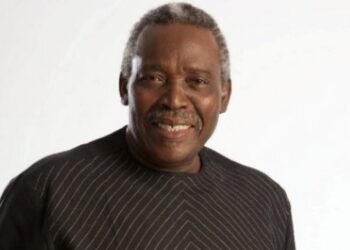
The directive was signed by the Director of Finance and Accounts, Olufemi Odukoya, and copied to the Director-General of Civil Aviation and other senior officials within the agency.
Airlines affected by the suspension include Air Peace, Ibom Air, Arik Air, United Nigeria Airlines, Max Air, Overland Airways, ValueJet, NG Eagle, Rano Air, Umza Air and Caverton Helicopters.
“The DGCA has directed that no directorate should render any service to the above airline without financial clearance from the director of finance and account,” the memo stated.
The move could affect access to critical regulatory services required for airline operations, including approvals, certifications and administrative processing, raising concerns within the aviation industry about possible operational disruptions and delays for passengers.
Industry stakeholders say the development reflects growing financial pressures within Nigeria’s aviation sector, where airlines continue to grapple with high operating costs, foreign exchange challenges, rising fuel prices and regulatory obligations.
The NCAA has not publicly disclosed the total amount owed by the affected airlines, but officials say the action is intended to improve compliance with statutory remittances necessary for maintaining aviation oversight and safety standards.
The regulator’s “No-Pay-No-Service” policy has previously been used to pressure operators and aviation service providers to settle outstanding financial obligations to the authority.