











































































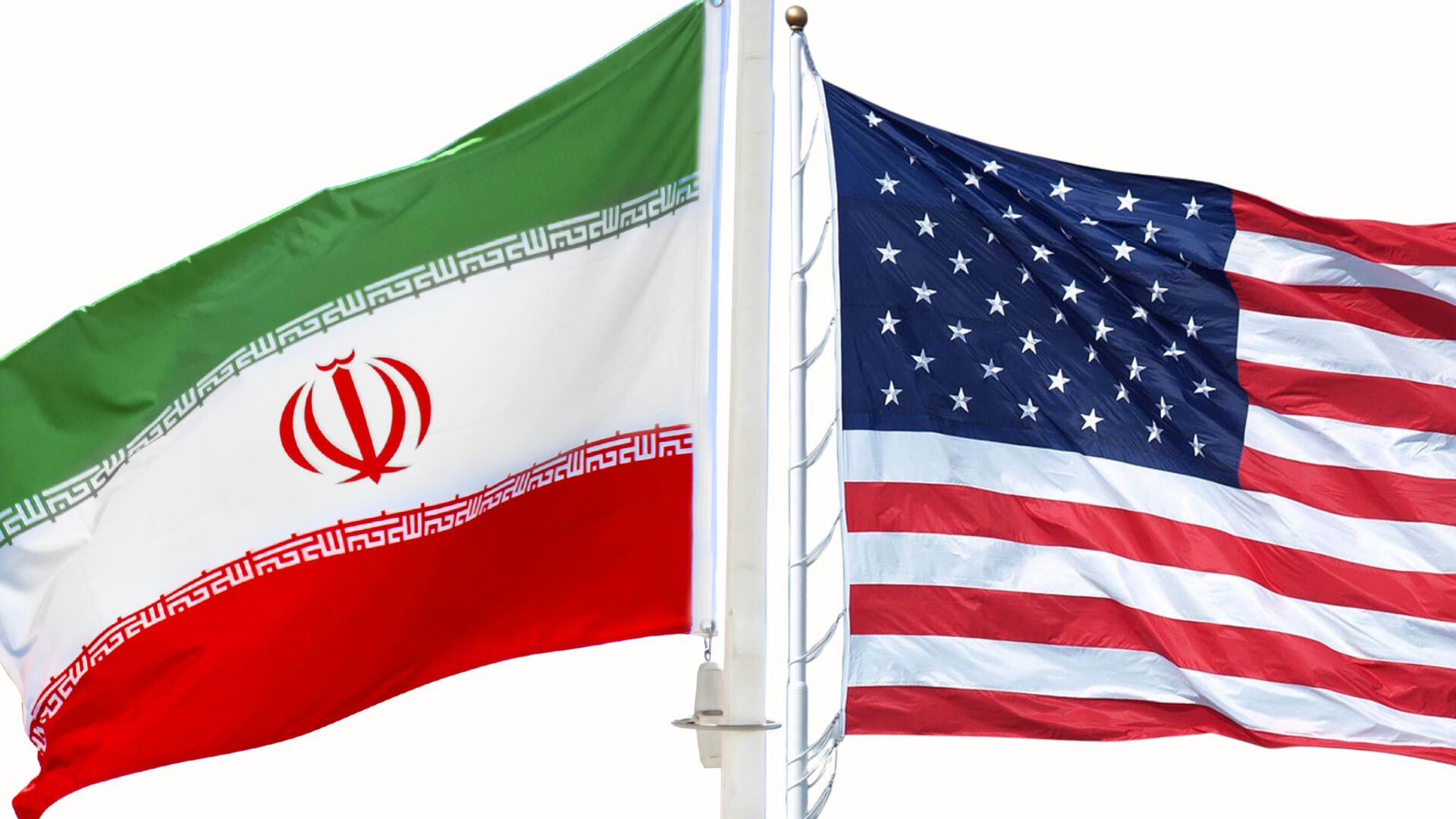
Fresh tensions erupted between Iran and the United States on Thursday after both sides carried out military strikes despite an existing ceasefire agreement, raising fears of a renewed escalation in the Gulf region.
According to Reuters, Iran’s Revolutionary Guard launched attacks targeting a U.S. airbase after the American military carried out strikes against what Washington described as an Iranian drone operation near the strategic Strait of Hormuz.
A U.S. official, speaking anonymously, said American forces shot down four Iranian attack drones and struck a ground control station in the southern Iranian port city of Bandar Abbas before a fifth drone could be launched.
“These actions were measured, purely defensive and intended to maintain the ceasefire,” the official said.
The Islamic Revolutionary Guard Corps confirmed retaliatory action, saying it targeted the U.S. base linked to the earlier strike near Bandar Abbas airport.
The latest exchange has intensified concerns over the fragile ceasefire that took effect in early April following months of conflict involving Iran, the United States and Israel.
Authorities in Kuwait also reported responding to missile and drone threats, although officials did not specify where the attacks originated.
Meanwhile, Israel said warning sirens were activated in northern parts of the country following reports of hostile aircraft activity linked to Iran-backed groups.
The renewed violence unsettled global markets, with oil prices rebounding sharply after earlier declines. U.S. crude futures reportedly rose by more than three per cent amid fears of further disruption around the Strait of Hormuz, one of the world’s most critical energy shipping routes.
The escalation came hours after President Donald Trump dismissed reports suggesting Washington was close to reaching a compromise agreement with Tehran over restoring commercial shipping through the Strait of Hormuz.
Iranian state television had earlier claimed that a draft agreement would allow shipping traffic through the strait to return to pre-war levels within a month under joint management by Iran and Oman.
Trump rejected the report and insisted that no country would control the waterway.
“Nobody’s going to control the strait,” Trump said. “It’s international waters.”
The White House later described the Iranian media report as “a complete fabrication.”
The conflict, which began with U.S. and Israeli strikes on Iran in February, has already disrupted global oil supplies, reduced maritime traffic through the Strait of Hormuz and heightened tensions across the Middle East.
Key sticking points in ongoing negotiations reportedly include sanctions on Iran, Tehran’s nuclear programme, the future of U.S. military presence in the region and the reopening of commercial shipping routes.
Iran has continued to insist on the release of frozen Iranian assets held abroad as part of any broader agreement.
“We are seeking the release of all Iranian assets blocked by the United States, and this is the legal right of the Iranian nation,” Iranian official Ali Bagheri Kani was quoted as saying by Tasnim news agency.
Despite diplomatic efforts, uncertainty remains over whether both sides can prevent the conflict from spiralling into a broader regional confrontation.