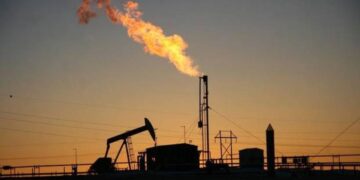































































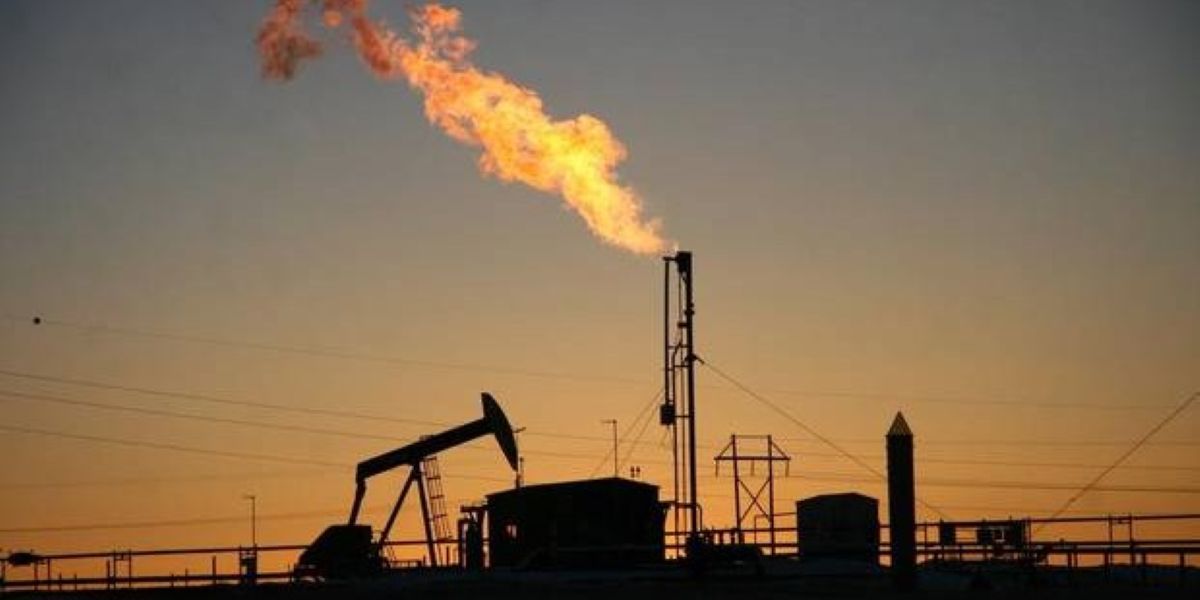
Nigeria has lost an estimated $5.5 billion (about ₦8.7 trillion) worth of natural gas to routine gas flaring over the past five years, highlighting the country’s continued struggle to harness one of its most valuable natural resources despite persistent electricity shortages and rising energy costs.
Data from the National Oil Spill Detection and Response Agency (NOSDRA) Gas Flare Tracker shows that between 2021 and 2025, billions of cubic feet of associated gas produced during crude oil extraction were burnt off instead of being processed for electricity generation, cooking gas, industrial use or export.
The figure reflects only the commercial value of the gas destroyed through flaring. Industry assessments indicate the broader economic impact is significantly higher when lost power generation, liquefied petroleum gas (LPG), industrial feedstock, government revenue and environmental costs are taken into account.
Available estimates suggest Nigeria may be losing between $18 million and $30 million every day from wasted methane and associated gas, translating into billions of dollars annually in unrealized economic opportunities.
Energy paradox
The losses underline one of Nigeria’s biggest contradictions. Although the country holds more than 215 trillion cubic feet of proven natural gas reserves, millions of Nigerians still experience unstable electricity supply, expensive cooking gas and heavy dependence on diesel and petrol generators.
According to NOSDRA’s 2025 Gas Flare Report, about 323 billion standard cubic feet of gas were flared during the year.
The agency estimates that the wasted gas had a market value of approximately $1.1 billion, produced more than 17 million tonnes of carbon emissions, and could have generated over 32,000 gigawatt-hours of electricity, enough to substantially improve power supply across the country.
Data from the Nigerian Upstream Petroleum Regulatory Commission (NUPRC) also indicates that more than 200 billion standard cubic feet of gas were flared in 2025 despite improvements in gas utilization by operators.
Economic opportunities going up in smoke
Analysts say gas that is currently flared could support multiple sectors of the Nigerian economy if properly captured.
Rather than being burnt into the atmosphere, the gas could be processed to expand electricity generation, increase domestic LPG availability, provide feedstock for fertilizer and petrochemical plants, boost liquefied natural gas exports and increase government earnings through taxes, royalties and export revenue.
The growing international carbon credit market also presents another potential revenue stream for countries that successfully reduce methane emissions.
Impact on communities
Beyond the economic losses, gas flaring continues to affect residents of oil-producing communities across the Niger Delta.
Years of continuous flaring have been linked to declining agricultural productivity, reduced fish populations, air pollution and environmental degradation that directly affect local livelihoods.
Communities located close to flare sites also face increased exposure to air pollutants associated with respiratory illnesses and other health concerns.
Environmental groups have repeatedly warned that continued methane emissions contribute not only to climate change but also to poor public health and ecosystem damage in producing areas.
Weak enforcement remains a challenge
Although Nigeria has introduced regulations aimed at reducing methane emissions and discouraging routine gas flaring, implementation has remained inconsistent.
Stakeholders argue that stronger enforcement, improved infrastructure, greater investment in gas gathering facilities and stricter compliance monitoring are required if Nigeria is to significantly reduce gas waste.
Industry operators also point to financing constraints, policy uncertainty and inadequate processing infrastructure as major obstacles slowing gas commercialization projects.
Technology and monitoring
Energy experts say better monitoring systems could improve transparency and accountability.
Combining satellite surveillance with drones, airborne sensors and ground-based monitoring would allow regulators to detect leaks more accurately, verify emissions data and ensure operators comply with environmental regulations.
Expanding digital monitoring platforms could also help government track flare volumes in real time and improve enforcement.
Turning waste into economic growth
With Nigeria seeking to diversify its economy and strengthen energy security, reducing gas flaring has become increasingly important.
Capturing gas that is currently wasted could increase electricity generation, lower cooking gas prices, stimulate manufacturing, create jobs and improve government revenue while reducing greenhouse gas emissions.
Until significant progress is made, however, the flames that continue to burn across oil-producing communities will remain a visible symbol of billions of dollars in lost economic value and missed development opportunities.