















































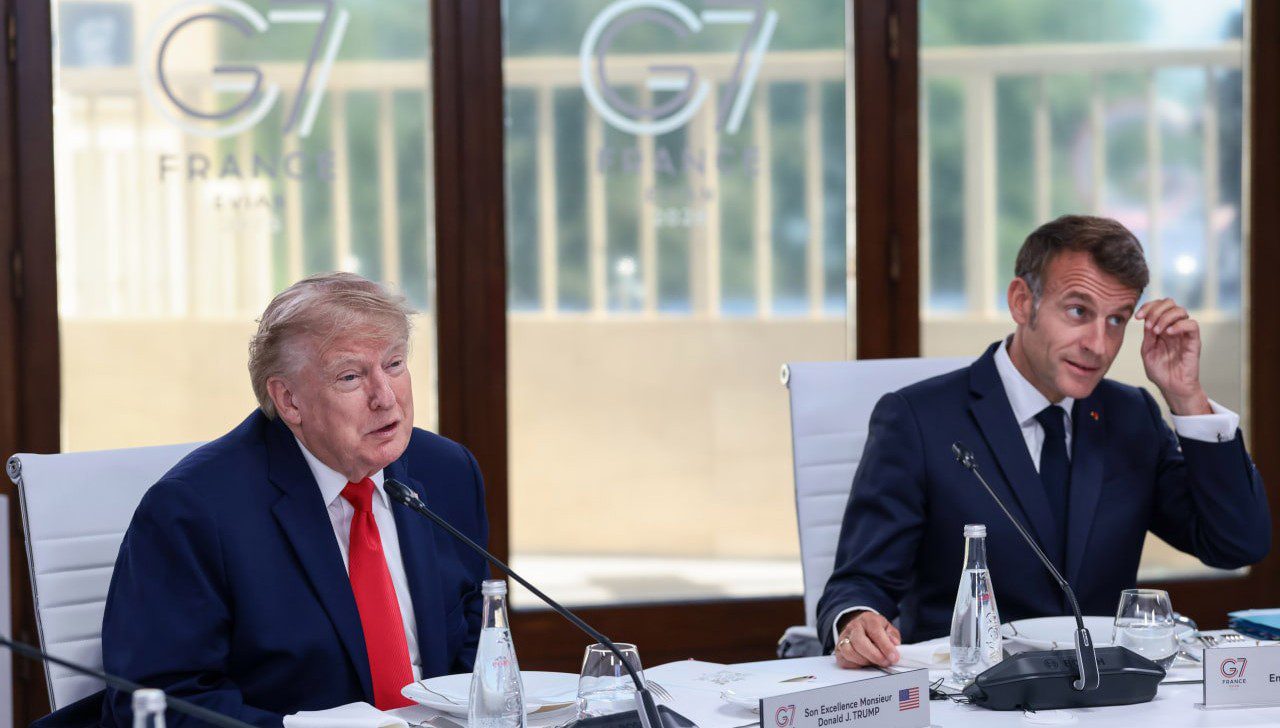
U.S. President Donald Trump has signalled a tougher stance on Russia and stronger support for Ukraine, as leaders of the Group of Seven (G7) nations ended their summit in France with a unified pledge to back Kyiv and increase pressure on Moscow.
The development marks a notable shift in Washington’s posture toward the war, with Ukrainian President Volodymyr Zelensky and Western allies seeking to convince Trump that Ukraine’s recent battlefield gains have strengthened its position ahead of any future peace negotiations with Russia.
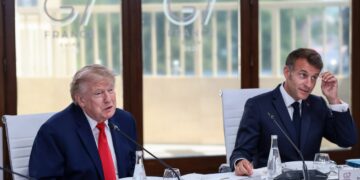
Speaking during the summit in the French resort town of Évian-les-Bains, Trump jokingly told fellow leaders and reporters, “I’m the boss,” a remark that drew attention amid discussions on global security, trade and critical mineral supply chains.
The three-day summit concluded with a joint statement reaffirming support for Ukraine and signalling readiness for additional measures against Russia. The declaration was widely viewed as a diplomatic boost for Kyiv, which has been pressing allies to maintain pressure on Moscow while seeking stronger security guarantees.
Canadian Prime Minister Mark Carney said there appeared to be a significant change in the U.S. position regarding the conflict.
“There has been a change in position on the part of the United States and President Trump,” Carney told reporters. “There is a position that is harder toward Russia and more realistic, in our view, of the situation on the ground of the war.”
While the statement reflects growing alignment among G7 leaders, uncertainty remains over the extent of future U.S. actions, including whether Washington will further tighten sanctions on Russian oil exports.
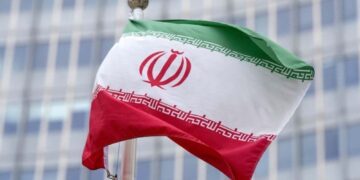
The summit was also shaped by developments in the Middle East following a preliminary peace agreement between the United States and Iran. G7 leaders welcomed the breakthrough and expressed support for efforts aimed at implementing the deal.
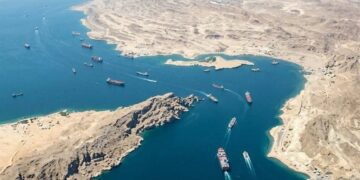
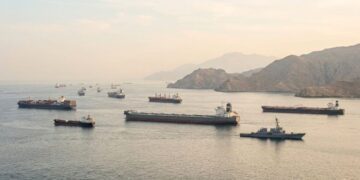
The leaders additionally discussed energy security concerns arising from disruptions in the Strait of Hormuz, stressing the need to diversify global energy supply routes and strengthen strategic reserves.
Another major focus of the summit was the growing dependence of Western economies on China for critical minerals essential to advanced manufacturing, defence technologies and renewable energy production.
French officials pushed for a coordinated approach among G7 nations to reduce vulnerabilities in mineral supply chains, particularly after Chinese export restrictions on rare earth materials disrupted industries across several countries.
Diplomats said discussions centered on measures including investment incentives, market protections, subsidies and long-term purchase agreements aimed at encouraging alternative sources of critical minerals outside China.
Concerns were also raised over China’s expanding trade surplus and growing influence in high-value manufacturing sectors. European leaders described the challenge as part of a broader effort to address global economic imbalances and protect strategic industries.
In addition to security and trade issues, G7 leaders held discussions on artificial intelligence, including questions surrounding accountability, misinformation and the societal impact of rapidly advancing AI technologies.
The summit brought together leaders from the United States, Canada, Britain, France, Germany, Italy and Japan, alongside invited partners and industry figures, as they sought common ground on some of the most pressing geopolitical and economic challenges facing the world.