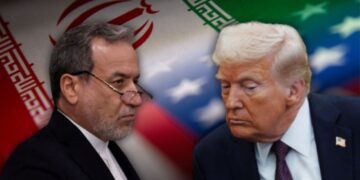















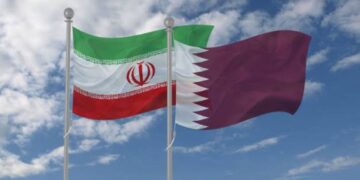










































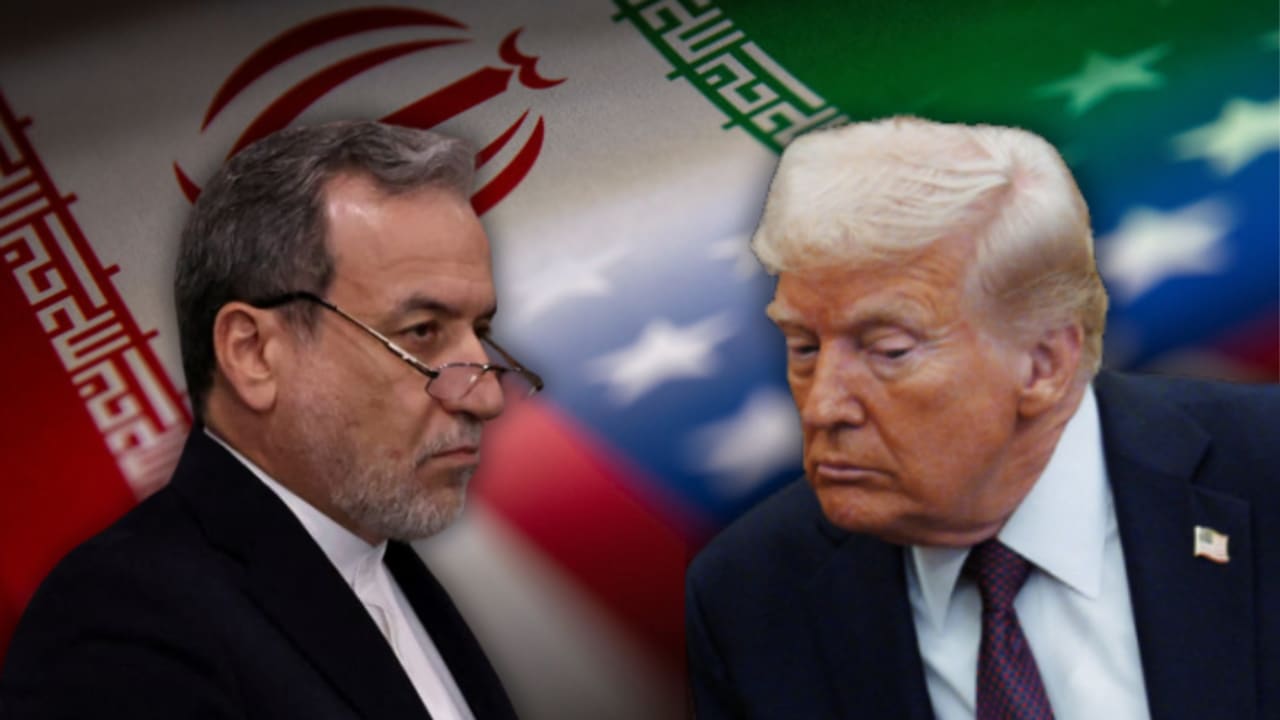
Fresh uncertainty has emerged over the fragile peace process between the United States and Iran after President Donald Trump declared that Tehran had accepted unrestricted long-term nuclear inspections, a claim swiftly rejected by Iranian officials.
The conflicting positions surfaced barely a day after high-level negotiations in Switzerland, where both countries agreed on a framework for further talks aimed at ending more than three months of conflict and easing tensions across the Middle East.
While Washington portrayed the negotiations as a breakthrough, Tehran maintained that no agreement had been reached on international inspections of its nuclear facilities or on how its frozen overseas assets would be managed.
Speaking on Tuesday, Trump insisted that Iran had accepted what he described as the “highest level” of nuclear inspections “into infinity,” dismissing Tehran’s denials as false.
The U.S. president also said Iranian assets expected to be released under the emerging agreement would be placed in an escrow arrangement and used to purchase humanitarian goods, including food, medicine and agricultural products from the United States.
“Iran has fully and completely agreed to the highest level of nuclear inspections long into the future,” Trump wrote on his Truth Social platform.
The remarks followed Washington’s decision to suspend key sanctions against Iran for 60 days, a move that allows Tehran to resume oil exports and receive payments until August 21 as negotiations continue.
The sanctions waiver represents the first major economic concession under the interim peace arrangement reached last week after months of military confrontation involving the United States, Iran and Israel.
However, Tehran quickly disputed Washington’s interpretation of the agreement.
Iran’s Foreign Ministry spokesman, Esmail Baghaei, said no discussions had taken place with the International Atomic Energy Agency (IAEA) during the Swiss negotiations and insisted there were no plans to invite inspectors back into the country’s nuclear facilities.
He also denied reports that Iranian officials met IAEA Director-General Rafael Grossi during the talks.
Iran’s Ambassador to the United Nations in Geneva, Ali Bahreini, reinforced that position, saying only Iran would determine how any unfrozen assets would be spent.
“Iran is the only country that will decide how its released assets are used,” Bahreini told reporters, rejecting suggestions that another country would influence those decisions.
Despite the public disagreement, Iranian officials acknowledged that progress had been made during the negotiations.
Bahreini said two technical working groups would soon begin discussions on sanctions relief and Iran’s nuclear programme, although he stressed that several commitments contained in the interim agreement must first be fully implemented before substantive nuclear negotiations could begin.
The peace roadmap, brokered by Qatar and Pakistan, also extends beyond Iran’s nuclear programme.
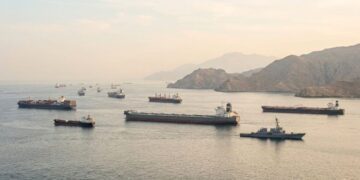
Negotiators agreed to establish mechanisms aimed at sustaining the ceasefire between Israel and the Iran-backed Hezbollah movement in Lebanon while creating direct communication channels to safeguard commercial shipping through the Strait of Hormuz, one of the world’s most strategic oil transit routes.
The agreement has already prompted Washington to ease sanctions temporarily, allowing Iran to resume crude oil exports in a move that has helped calm global energy markets.
Oil prices extended recent declines on Tuesday after falling by about three percent in the previous trading session as investors reacted positively to signs of diplomatic progress.
Attention has also shifted to Lebanon, where separate talks between Israeli and Lebanese officials began in Washington on Tuesday.
Although a ceasefire has largely held since Sunday, tensions remain high after Lebanese authorities reported that Israeli gunfire killed two people in southern Lebanon, an incident Hezbollah described as a violation of the truce.
Israel has maintained that it will retain a security presence in parts of southern Lebanon and continue military operations against what it considers threats from Hezbollah.
Lebanon’s presidency said U.S. Vice President JD Vance and Secretary of State Marco Rubio informed President Joseph Aoun that Washington was working to implement agreements reached in Switzerland, including proposals for a joint coordination mechanism involving the United States, Lebanon and Iran to strengthen the ceasefire.
Vance described the Switzerland talks as constructive, saying they had laid “a very good foundation” for a comprehensive agreement between Washington and Tehran.
However, the conflicting statements from both capitals underscore the fragile nature of the negotiations and highlight the significant differences that remain over Iran’s nuclear programme, sanctions relief and regional security arrangements.
The dispute also carries domestic political implications for Trump, whose administration has faced growing pressure over rising fuel prices and the economic consequences of the conflict ahead of November’s congressional elections.
While many Republicans continue to demand the complete dismantling of Iran’s nuclear programme, Tehran insists its nuclear activities remain peaceful and that any future agreement must fully respect its sovereignty and national interests.