




















































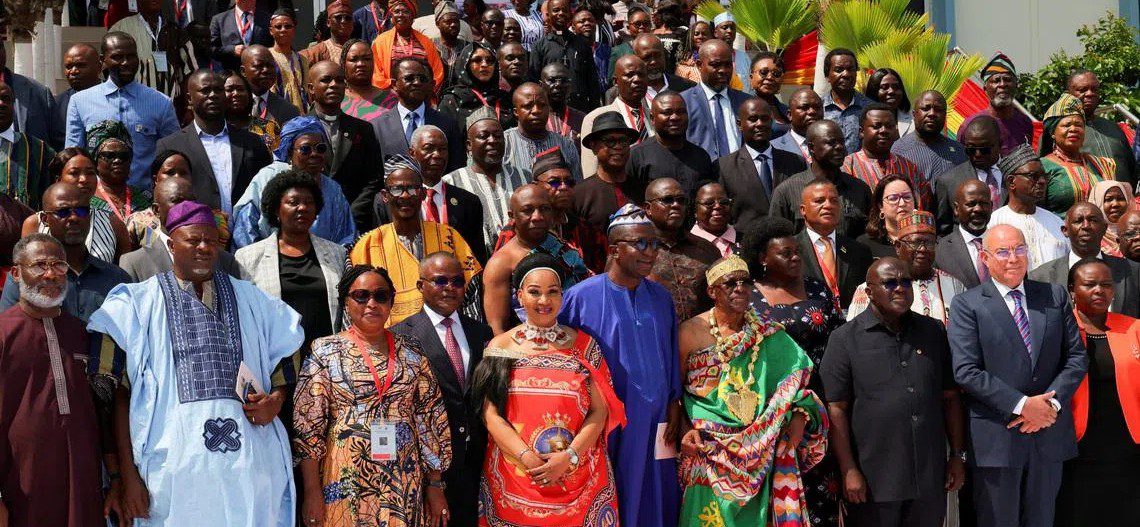
Lawmakers from more than a dozen African countries have pledged to introduce stricter legislation targeting LGBT rights following a conference in Ghana that brought together self-described “pro-family” activists from across Africa and Europe.
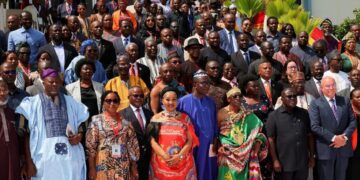
The African Inter-Parliamentary Conference on Family Values and Sovereignty, held in Accra from June 3 to 6, came just days after Ghana’s parliament passed one of Africa’s toughest anti-LGBT bills, criminalizing the promotion of LGBT activities.
The conference underscored a broader shift toward stricter anti-LGBT legislation in several African countries, with participants saying the movement has gained fresh momentum from conservative political figures in the United States and Europe, particularly following U.S. President Donald Trump’s return to office.
Some delegates said they viewed the Trump administration’s approach to foreign policy as an opportunity to advance similar legislation across Africa, noting that unlike the administrations of former Presidents Barack Obama and Joe Biden, it does not actively promote LGBT rights as part of U.S. foreign engagement.
Opening the conference, Ghana’s Speaker of Parliament, Alban Bagbin, urged lawmakers to translate their resolutions into legislation.
“When you return to your respective capitals, let the resolutions we adopt here not gather dust in the archives of our secretariats. Let them be translated into active bills, robust budgetary allocations, and rigorous oversight,” Bagbin said.
“Go home and tell your people that their representatives have resolved to protect the sanctuaries of their homes, the heritage of their ancestors, and the sovereignty of their nations.”
More than half of Africa’s 54 countries already criminalize same-sex sexual relations. In recent years, countries including Uganda and Senegal have expanded those laws by criminalizing what they describe as the promotion of LGBT activities, a path Ghana’s lawmakers have now also endorsed.
Organizers said representatives from 20 African countries attended the conference, although it remains unclear how many intend to introduce new legislation based on the resolutions adopted.
According to Reuters, presentations at the conference criticized what speakers described as Western efforts to export liberal social values to Africa.
Dutch conservative activist Henk Jan van Schothorst, executive director of Christian Council International, urged African governments to resist pressure to ban so-called conversion therapy, describing such policies as “ideological colonization” by Western countries.
In another presentation, Kenyan doctor Wahome Ngare linked homosexuality and transgender identity to childhood sexual abuse, a claim that contradicts the position of major international medical and scientific organizations.
The conference concluded with the adoption of the “African Charter on Family, Sovereignty and Values,” a 32-page document calling on African governments to withdraw from international agreements viewed as promoting LGBT rights, abortion or comprehensive sex education.
The charter also encourages participating countries to enact laws aimed at protecting what it describes as African cultural values. Lawmakers from 18 of the 20 represented countries reportedly endorsed the document.
Health experts have continued to warn that increasingly restrictive anti-LGBT laws could worsen public health outcomes by driving vulnerable communities underground and discouraging access to HIV prevention and treatment services.
Reuters previously reported that Senegal recorded a decline in attendance at HIV treatment centres following arrests linked to debates over its anti-LGBT legislation.
In Ghana, members of the LGBT community say the ongoing legislative push has heightened fear and uncertainty.
“I constantly self-censor, hide, watch my back. That’s not safety, that’s survival,” an Accra-based photographer told Reuters, adding that leaving Ghana had crossed their mind despite considering it home.
Ghana’s anti-LGBT bill is awaiting presidential assent. President John Dramani Mahama has previously expressed support for such legislation but recently indicated there are procedural issues that must first be addressed.
More than 100 African civil society organizations have urged Mahama not to sign the bill, arguing that Ghana risks allowing external actors to shape its domestic laws.
The U.S. State Department has said the Trump administration’s approach to foreign assistance ensures American taxpayer funds are not used to promote what it described as “divisive social and gender issues.”
Former Ugandan lawmaker Sarah Opendi welcomed that policy shift during the conference.
“Let us first thank the American people for voting for President Trump,” she said. “The conversation in America today is different.”