














































































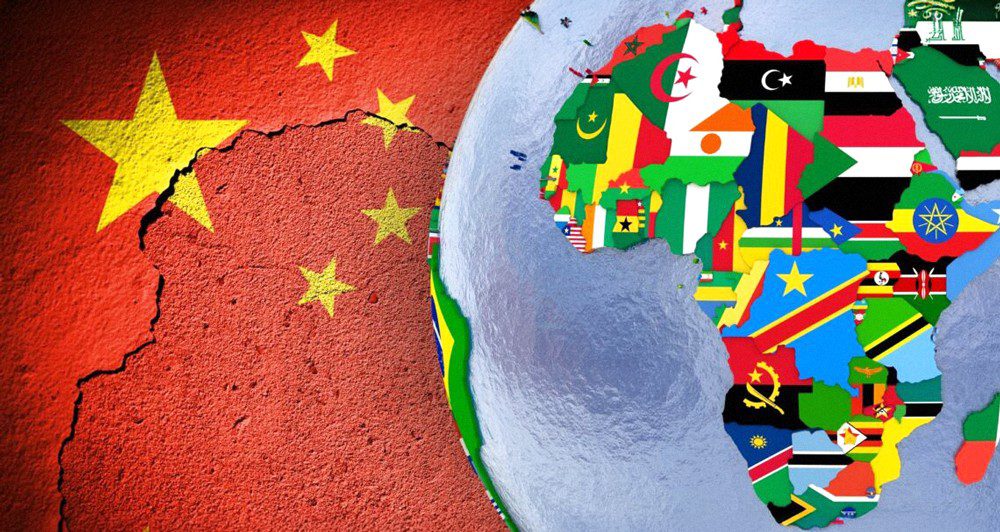
China’s decision to remove tariffs on imports from 53 African countries is expected to deepen trade ties with the continent while accelerating the adoption of the Chinese yuan in cross-border transactions, as Beijing intensifies efforts to expand the global use of its currency.
The tariff exemption, which took effect on 01 May, is already driving increased exports of African products to China, ranging from Nigerian cattle bone pellets and Kenyan avocado oil to South African apples. The policy follows a strong surge in bilateral trade, which grew by nearly 18 per cent last year, according to Chinese customs data.
Analysts and financial institutions say the increase in trade volumes, coupled with expanding yuan-based payment infrastructure, is encouraging more African businesses and governments to settle transactions in China’s currency instead of the U.S. dollar.
Although reliable data on yuan usage across Africa remains limited, industry experts believe the currency’s footprint is expanding through trade settlements, debt restructuring and new financial partnerships.
Standard Chartered Kenya Chief Executive Officer, Birju Sanghrajka, said yuan transactions are steadily increasing, though the Chinese currency is not yet challenging the dominance of the U.S. dollar.
“We see it as complementary,” Sanghrajka said.
South Africa’s Standard Bank became the first African commercial bank to connect to China’s Cross-Border Interbank Payment System (CIPS) in November and has processed about $500 million in transactions during its first four months on the platform.
According to Ives Yang, Head of Sales for Transactional Banking at Standard Bank Corporate and Investment Banking, most of the transactions have been driven by import and export activities between China and African countries.
“We are working on bringing CIPS to more countries,” Yang said.
China says the tariff removal is designed to support African exports and strengthen economic ties at a time of growing global trade tensions.
Chinese Commerce Ministry spokesman He Yadong said Beijing was leveraging the strength of its vast domestic market to support African economies amid rising protectionism worldwide.
“Against a backdrop where unilateralism and protectionism are posing difficulties and challenges for African nations, China is leveraging the advantages of its vast market,” he said.
Financial institutions across Africa are also adapting to the changing trade landscape.
Standard Chartered Kenya has begun issuing yuan-denominated letters of credit, allowing importers to avoid additional costs associated with converting currencies through the U.S. dollar.
Meanwhile, Ecobank, which operates in 34 African countries, is partnering with the Bank of China to introduce a settlement platform that will facilitate direct transactions between the yuan and African currencies later this year.
Ecobank Group Chief Executive Officer Jeremy Awori said the initiative would significantly improve payment efficiency.
“China is building its own payment and settlement rails that could make it almost instantaneous,” Awori said.
Economic analysts say the shift reflects the realities of expanding trade rather than a direct attempt to replace the dollar.
Chief Executive Officer of the Centre for the Promotion of Private Enterprise in Nigeria, Muda Yusuf, noted that China has increasingly encouraged African exporters to receive payments in yuan.
“Part of the issues we are seeing around the world now is how to reduce the dominance of the dollar,” Yusuf said.
“When you export to them, you are paid in yuan.”
Chinese investors operating in Africa also see financial benefits from increased yuan usage.
Qu Ming, owner of Kenya-based avocado oil processor Sanmark Limited, said settling transactions directly in yuan would reduce foreign exchange costs while making borrowing cheaper because of lower Chinese interest rates.
“It will help us because of the exchange rate,” he said.
China’s growing role as Africa’s largest bilateral lender is also contributing to wider yuan adoption.
Kenya last year converted three Chinese-funded railway loans from U.S. dollars into yuan, a move expected to reduce annual interest costs by approximately $215 million.
Similarly, Zambia announced in late 2025 that it would begin accepting mining royalties and taxes from Chinese companies in yuan to strengthen its foreign exchange reserves and service debt owed to China.
The African Export-Import Bank estimates that China now accounts for about 20 per cent of Africa’s external trade, up from just five per cent two decades ago.
The trend is particularly evident in Kenya’s booming avocado exports to China. Shipments have increased from about 10 to 20 containers per week in 2022 to roughly 200 containers weekly, with projections suggesting volumes could reach 1,000 containers each week by 2030.
Sunripe Managing Director Thiku Shah believes China could overtake Europe as Kenya’s biggest avocado export market between 2030 and 2035.
He also said wider acceptance of yuan settlements by African banks would further accelerate trade with China.
“If we invoice in yuan and the banks take the yuan in settlement and then we have a buyer for our yuan, then this would be perfect,” Shah said.