



































































The United States has reportedly overseen a series of covert ship-to-ship oil transfer operations in the Gulf region to sustain energy exports amid disruptions linked to tensions around the Strait of Hormuz, according to a Reuters investigation.
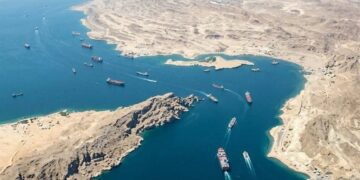
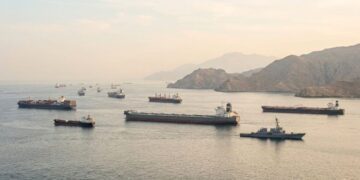
The operation, which began in early May, involves the transfer of crude oil between vessels at designated locations off the coasts of Fujairah in the United Arab Emirates and Sohar in Oman. Sources familiar with the operation told Reuters that aerial drones, maritime drones and helicopters have been used to guide convoys of oil tankers to transfer points where cargo is moved between ships before continuing to international markets.
Reuters reported that at least 92 vessels have participated in the transfers, based on shipping data and satellite imagery reviewed by the news agency.
The method mirrors tactics long employed by Iran to bypass international sanctions through offshore ship-to-ship transfers. Satellite images reviewed by Reuters showed multiple simultaneous transfer operations taking place at both locations, including as recently as June 11.
The report also linked a U.S. Apache helicopter that was shot down by Iran on June 9 to the broader operation, citing four sources, including a former U.S. official familiar with the incident. However, Reuters said it could not independently verify the helicopter’s precise role in the mission.
A U.S. defence official denied that Central Command forces were involved in any offshore oil transfer operation, while the White House referred Reuters’ enquiries to the military command. Iranian authorities did not respond to requests for comment.
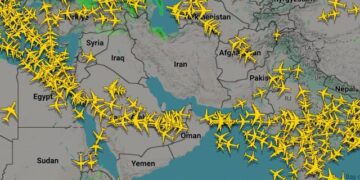
According to reports, the transfer sites are located near maritime zones monitored by Iran’s Persian Gulf Strait Authority, a body established to oversee activities around the Strait of Hormuz. The waterway is one of the world’s most critical energy routes, handling roughly one-fifth of global oil consumption under normal conditions.
The investigation comes amid heightened regional tensions that have severely disrupted shipping through the Strait of Hormuz, contributing to volatility in global energy markets and concerns over supply security.
Source: Reuters