


































































More than half of the world’s children are now exposed to at least three overlapping climate and environmental hazards that threaten their health, education, safety and overall development, according to a new report by the United Nations Children’s Fund (UNICEF).
The report highlights the growing impact of climate change on children worldwide, warning that increasing temperatures, severe storms, floods, droughts and other extreme weather events are disrupting lives and putting future generations at greater risk.
UNICEF’s findings indicate that over one billion children are currently exposed to at least three climate-related hazards simultaneously, while virtually every child on the planet experiences at least one significant climate threat during their lifetime.
The agency cited examples from vulnerable communities where climate-related damage to critical infrastructure is making access to education and essential services increasingly difficult. In Papua New Guinea, for instance, schoolchildren have been forced to cross a crocodile-infested river after a key footbridge was washed away by heavy flooding and never rebuilt.
According to UNICEF, the loss of such infrastructure has become more common as extreme weather events intensify, creating additional barriers to education, healthcare and child welfare in affected communities.
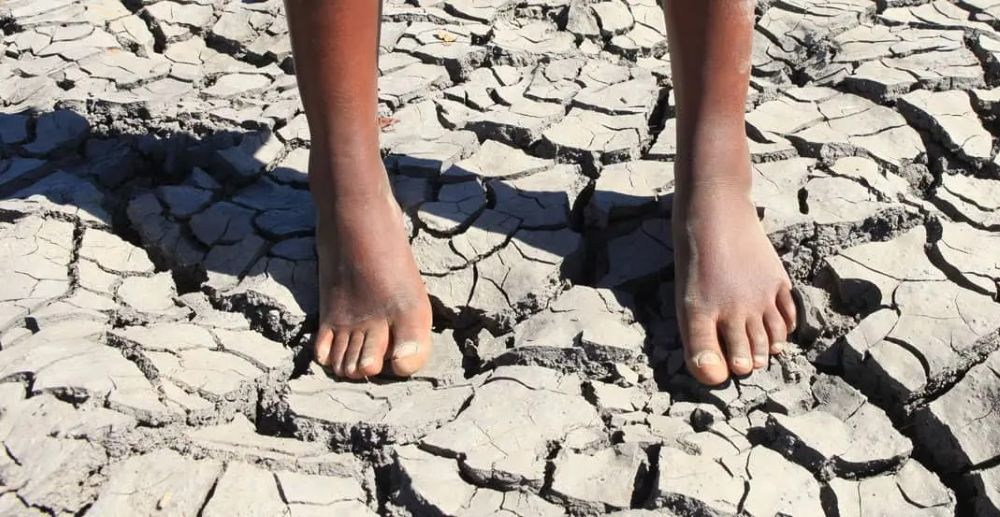
The report identified eight major climate hazards affecting children globally: extreme heat, heatwaves, droughts, wildfires, coastal flooding, river flooding, tropical storms, and sand and dust storms.
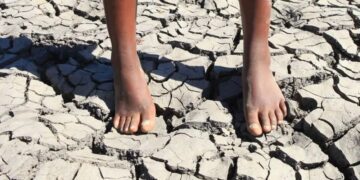
Regions already facing economic and developmental challenges are among the hardest hit. The Sahel region of Africa was highlighted as one of the most vulnerable areas, where millions of children face the combined impacts of extreme heat, heatwaves and frequent dust storms.
Several Asian countries, including Bangladesh, Myanmar and Pakistan, were also identified as hotspots where children are exposed to multiple overlapping climate risks.
UNICEF noted that the climate crisis is not limited to developing nations. In wealthier countries, prolonged heatwaves, droughts and other weather-related challenges are increasingly affecting children’s wellbeing and daily lives. Italy, for example, has millions of children living in areas vulnerable to prolonged periods of extreme heat and water scarcity.
The agency warned that climate-related disruptions are placing growing pressure on roads, bridges, schools, healthcare facilities and other critical infrastructure, making communities less resilient and increasing risks for children.
UNICEF is urging governments, businesses and international partners to accelerate efforts to reduce greenhouse gas emissions while strengthening climate adaptation measures. The organization emphasized the need for greater investment in child-focused services, including education, healthcare and resilient infrastructure capable of withstanding future climate shocks.
The report concludes that protecting children from climate-related threats must become a central priority in global climate action, as the frequency and intensity of extreme weather events continue to increase across the world.