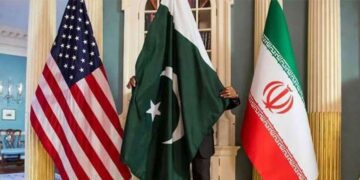
































































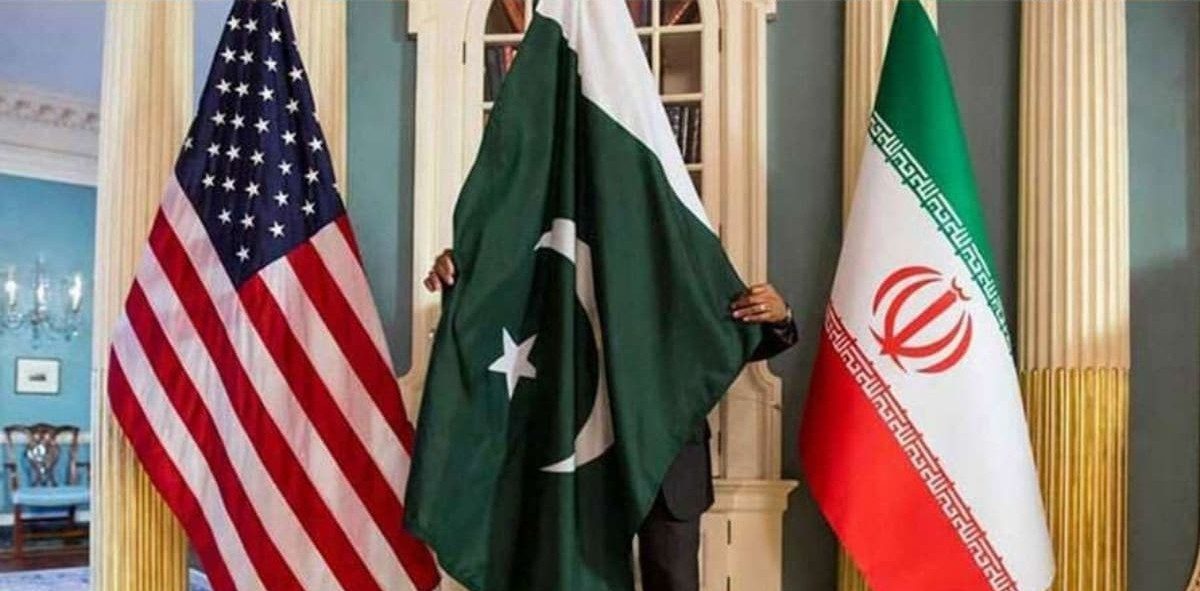
The United States and Iran are expected to sign an initial peace agreement within the next 24 hours, marking some sort of breakthrough after more than three months of escalating conflict that threatened regional stability and global energy supplies.
The development was disclosed on Saturday by Pakistan’s Prime Minister, Shehbaz Sharif, whose government has played a key mediating role in efforts to end hostilities between Washington and Tehran.
According to Sharif, both sides have agreed on the broad framework of a peace deal and are preparing for an electronic signing ceremony, which would be followed by technical-level negotiations next week to finalize outstanding details.
The anticipated agreement comes amid growing international optimism after officials from both countries signalled on Friday that a negotiated settlement was within reach.
Sources familiar with the discussions indicate that the proposed framework provides for the reopening of the Strait of Hormuz, a critical global energy corridor through which a significant portion of the world’s oil and liquefied natural gas shipments pass.
The deal is also expected to include the lifting of certain U.S. restrictions and blockades imposed during the conflict, a move analysts believe could help stabilize global energy markets and ease tensions across the Middle East.
The war, which has raged for more than three months, sent shockwaves through international markets, triggering sharp increases in crude oil prices and raising fears of a wider regional confrontation.
Despite the optimism surrounding the negotiations, Iranian officials cautioned that the agreement remains under review and that final approval has not yet been granted.
Authorities in Tehran indicated that amendments could still be made before the framework is formally endorsed, while discussions on broader issues, including Iran’s nuclear programme, are expected to take place in subsequent rounds of talks.
Diplomatic sources said the next phase of negotiations would focus on implementing confidence-building measures and establishing mechanisms to ensure compliance with the terms of the agreement.
The prospect of a ceasefire and formal peace accord has been welcomed by governments and financial markets, with investors closely monitoring developments for signs of lasting stability in the region.
Should the agreement be signed as expected, it would represent one of the most significant diplomatic achievements in recent Middle East diplomacy and could help avert further disruption to global trade and energy supplies.
While key details of the proposed accord remain undisclosed, international observers view the next 24 hours as critical in determining whether months of conflict can finally give way to a negotiated peace.