












































































Fresh military exchanges between the United States and Iran have raised concerns over the future of ongoing peace talks after Washington carried out airstrikes on Iranian military targets and Kuwait reported incoming drone and missile attacks.
The latest flare-up comes despite efforts by both countries to maintain a fragile ceasefire and negotiate an end to months of hostilities that have disrupted global energy supplies and heightened tensions across the Middle East.
The United States military said it conducted strikes over the weekend against Iranian radar installations, drone facilities and air defence systems near the city of Geruk and on Qeshm Island.
According to the US Central Command, the operation was launched in response to Iran’s downing of an American MQ-1 drone that Washington said was flying over international waters.
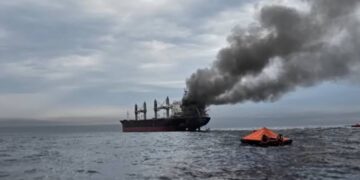
“The measured and deliberate strikes occurred in response to aggressive Iranian actions,” the command said in a statement, adding that US fighter jets destroyed air defence systems, a ground control station and two attack drones believed to pose threats to commercial shipping in the region.
Hours later, Kuwait announced that its air defence systems had intercepted incoming drones and missiles in the early hours of Monday.
While Kuwaiti authorities did not immediately identify the source of the attack, Iran’s Revolutionary Guard said it had carried out a retaliatory operation following what it described as an American strike on Iranian infrastructure.
In a statement carried by Iranian state media, the Revolutionary Guard accused US forces of targeting a telecommunications facility and vowed continued resistance against foreign military presence in the region.
The exchange marks another setback for efforts to stabilize relations between Washington and Tehran after weeks of negotiations aimed at extending a ceasefire agreement and reopening critical shipping routes.
The conflict has had far-reaching economic implications, particularly through Iran’s continued restrictions around the Strait of Hormuz, one of the world’s most important energy corridors.
The strategic waterway previously handled about one-fifth of global oil and liquefied natural gas trade, and disruptions there have contributed to rising fuel prices and concerns over global supply chains.
Analysts have also warned that restrictions affecting shipments of chemical fertilizers from the Gulf region could increase food security concerns in several parts of the world, including Africa.
Diplomatic efforts remain ongoing, but uncertainty persists over whether a broader agreement can be reached.
US President Donald Trump has yet to approve a proposed framework that would extend the ceasefire and ease restrictions on shipping through the Strait of Hormuz.
Iran has also indicated that negotiations remain incomplete.
Speaking recently, US Vice President JD Vance said discussions were focused on establishing broad principles regarding Iran’s nuclear programme, while more detailed negotiations would follow.
Despite the renewed violence, Trump expressed optimism that a breakthrough remains possible.
“Iran really wants to make a deal, and it will be a good one for the USA and those that are with us,” Trump wrote on his Truth Social platform.
The conflict, which began after US and Israeli strikes on Iran in February, has evolved into one of the most significant geopolitical crises of the year, drawing in regional actors and threatening global energy markets.
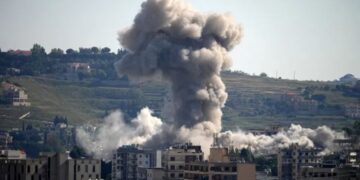
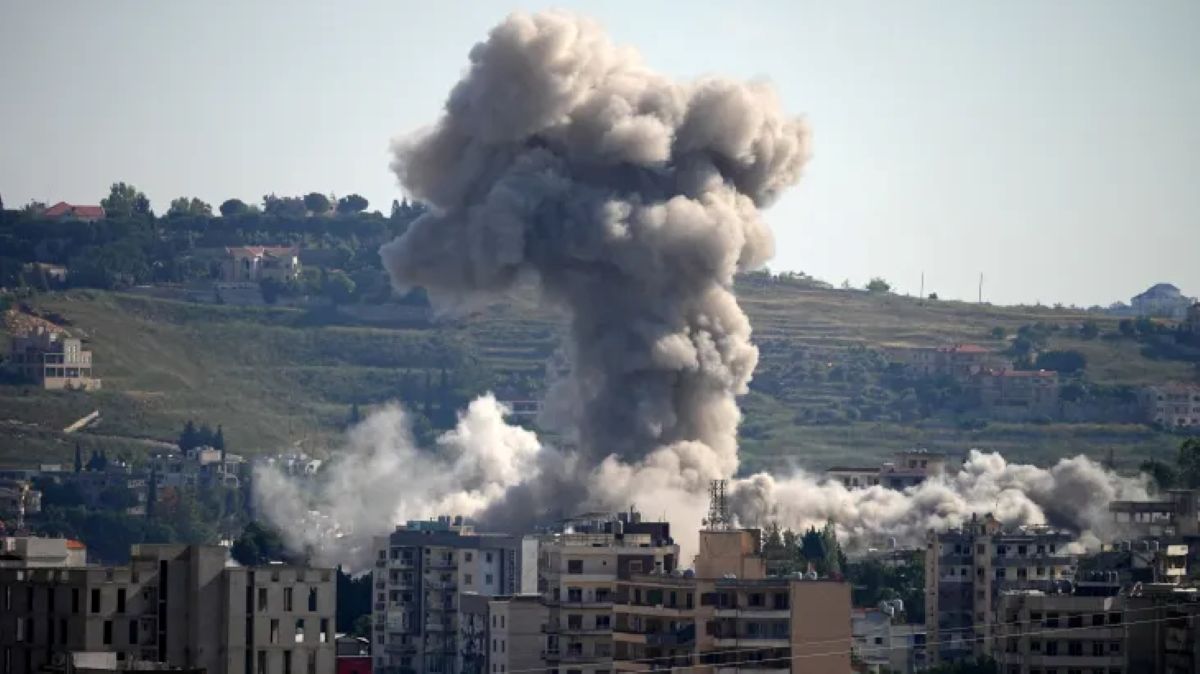
Meanwhile, tensions continue to simmer on other fronts, including southern Lebanon, where fighting between Israeli forces and the Iran-backed Hezbollah movement has persisted despite separate ceasefire arrangements.
With military exchanges continuing and diplomatic negotiations still unresolved, observers warn that any further escalation could jeopardize efforts to secure a lasting peace agreement and restore stability to the region.