

































































Indirect negotiations between the United States and Iran have concluded in Doha without a breakthrough, as both sides continued efforts to manage tensions following last month’s ceasefire while postponing substantive discussions on Tehran’s nuclear programme.
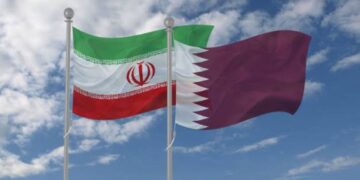
The two-day talks, facilitated by Qatar with support from Pakistani mediators, centred largely on implementing aspects of the interim agreement reached after the conflict between Iran, Israel and the United States, according to officials familiar with the discussions.
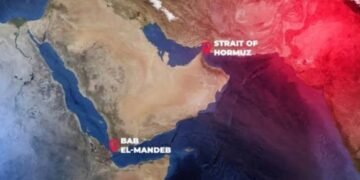
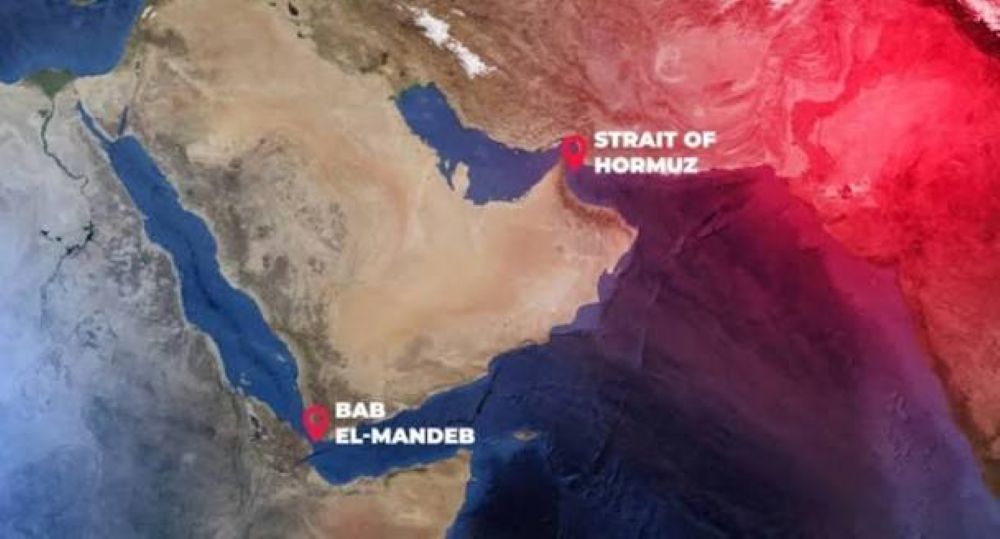
Diplomatic sources said negotiations focused primarily on maritime security in the Strait of Hormuz and arrangements concerning the release of frozen Iranian financial assets, two issues regarded as critical to sustaining the fragile ceasefire.
Qatar’s Ministry of Foreign Affairs described the discussions as constructive, saying progress had been made on matters linked to the implementation of the memorandum that ended hostilities in June.
In a statement issued after the talks, the ministry said the latest engagement built on previous discussions held during a summit in Switzerland and formed part of ongoing efforts to maintain regional stability.
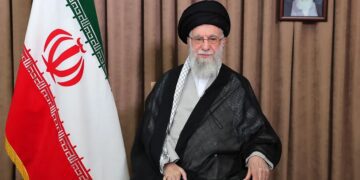
Officials confirmed that another round of negotiations is expected after the burial ceremonies for Iran’s late Supreme Leader, Ayatollah Ali Khamenei, scheduled for July 9.
Although US President Donald Trump expressed optimism that discussions surrounding Iran’s nuclear programme were moving in a positive direction, sources familiar with the Doha meetings indicated that nuclear issues were not formally addressed during the latest round of talks.
Speaking to reporters in Washington, Trump said progress was being made toward limiting Iran’s nuclear activities and expressed confidence that negotiations would continue.
US Vice President JD Vance also acknowledged that the nuclear file remains a priority but indicated that detailed discussions on the issue would take place during subsequent negotiations.
Iran’s delegation was led by Deputy Foreign Minister Kazem Gharibabadi, who confirmed the conclusion of the talks but did not disclose whether any agreements had been reached.
Neither Tehran nor Washington issued a joint statement outlining specific outcomes from the negotiations.
One of the central issues dominating the talks remains the future management of the Strait of Hormuz, one of the world’s most strategically important maritime corridors through which a significant share of global oil and liquefied natural gas exports passes.
The interim ceasefire agreement provides for the gradual restoration of commercial shipping through the waterway, but uncertainty persists following recent military incidents involving commercial vessels.
Iran has repeatedly maintained that it intends to exercise greater authority over shipping activities in the strait and has previously indicated plans to introduce transit charges after the expiration of a temporary toll-free arrangement outlined under the ceasefire framework.
The issue has emerged as a major point of contention, particularly after renewed military exchanges in the Gulf following attacks on commercial shipping.
Meanwhile, global energy markets reacted cautiously to developments, with oil prices falling after President Trump’s comments suggested reduced prospects of an immediate return to large-scale conflict.
Market analysts noted, however, that uncertainty surrounding navigation through the Strait of Hormuz continues to pose risks to global energy supplies.
The security situation in the Gulf remains fragile despite the ceasefire.
Iranian state media reported that a foreign container vessel recently ran aground outside the officially designated shipping corridor, highlighting continuing navigational challenges in the region.
Several European countries have expressed willingness to assist in securing maritime routes, including potential mine-clearing operations, although some governments have indicated they are unlikely to participate without broader regional cooperation.
Diplomatic observers say the Doha talks represent another step in efforts to prevent renewed hostilities, but acknowledge that major disagreements over maritime security, sanctions and Iran’s nuclear ambitions remain unresolved.
With another round of negotiations expected later this month, international attention is likely to remain focused on whether both sides can transform the current ceasefire into a more durable political settlement.