
































































The International Monetary Fund (IMF) has called for greater transparency in Nigeria’s public finances after identifying significant government expenditure that was not reflected in the country’s recent fiscal records, warning that the reporting gaps could distort assessments of the nation’s true budget position.
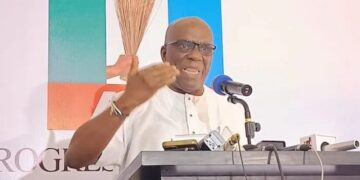
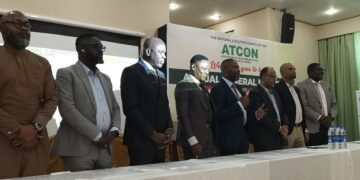
Speaking during an engagement with business leaders in Lagos, the IMF’s Resident Representative in Nigeria, Christian Ebeke, said the Fund’s review indicated that government spending equivalent to roughly two per cent of Nigeria’s Gross Domestic Product (GDP) had not been fully captured in official budget documents and fiscal reports.
According to him, the omission has created a statistical discrepancy between Nigeria’s reported fiscal deficit and the actual level of government financing required to support public expenditure.
Ebeke explained that some major capital projects were implemented outside the formal budget framework, resulting in expenditure that was neither appropriated through the budget process nor adequately reflected in implementation reports.
He noted that incorporating these expenditures into official fiscal accounts would provide a more accurate picture of the country’s public finances and eliminate the existing inconsistencies in fiscal reporting.
The IMF official warned that incomplete budget reporting presents challenges for economic management, particularly in coordinating fiscal and monetary policy, as policymakers require reliable data to determine the government’s actual borrowing and financing needs.
He acknowledged that Nigerian authorities have begun taking steps to address the issue by reviewing and amending recent budget legislation to accommodate previously omitted expenditure.
However, he said further work remains necessary, particularly the publication of updated budget implementation reports that fully reflect the revised spending figures.
Ebeke stressed that strengthening fiscal transparency is essential to improving public financial management and maintaining investor confidence.
He cautioned that spending outside the approved budget framework raises broader concerns about accountability, procurement processes and institutional oversight, emphasizing the importance of ensuring that all public expenditure is properly documented and subject to legislative scrutiny.
The remarks come against the backdrop of the IMF’s recent Article IV Consultation on Nigeria, in which the Fund acknowledged the government’s macroeconomic reforms, including policy measures aimed at stabilizing the economy and restoring investor confidence.
While recognizing progress in improving macroeconomic stability, the IMF maintained that the benefits of the reforms have yet to translate into meaningful improvements in the living standards of many Nigerians.
The Fund also warned that Nigeria’s economic outlook remains exposed to external risks, including global geopolitical tensions and volatility in international commodity markets, underscoring the need for sustained fiscal discipline, stronger public financial reporting and continued implementation of structural reforms.