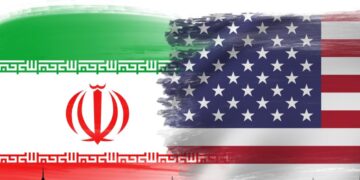































































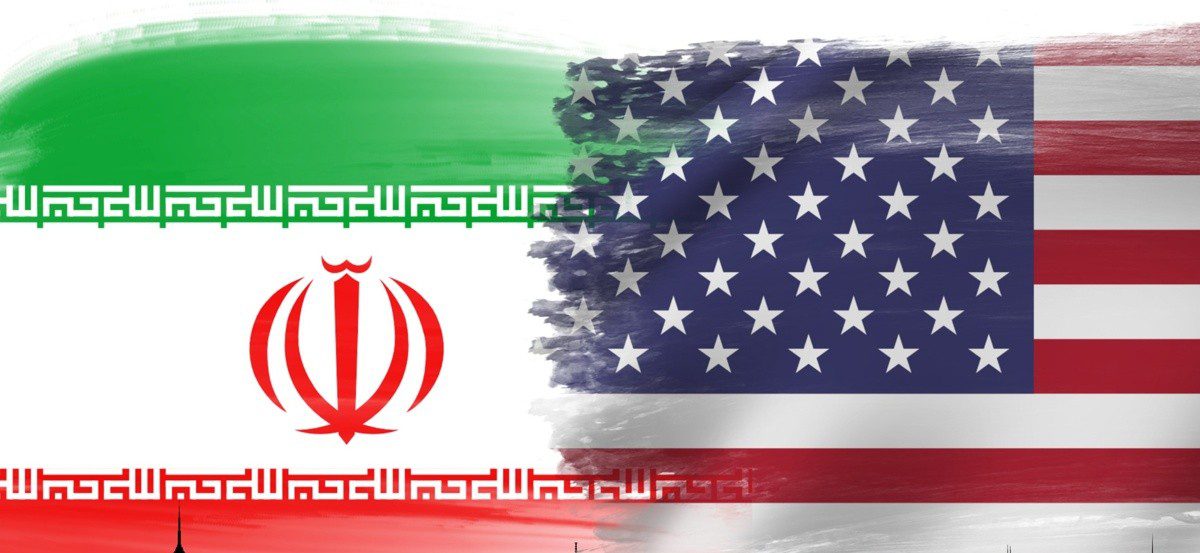
U.S. President Donald Trump on Wednesday warned that military action against Iran could resume if he becomes dissatisfied with the terms or implementation of a newly reached ceasefire agreement, even as leaders of the Group of Seven (G7) nations welcomed the framework deal and called for an immediate ceasefire in Lebanon.
Speaking during the G7 summit in Evian-les-Bains, France, Trump stressed that the agreement reached with Tehran remained provisional and subject to future negotiations.
“It’s a memorandum of understanding. And if I don’t like it, we’ll go back to shooting at them, dropping bombs on their head,” Trump said.
He further warned: “If I don’t like it, if they don’t behave, we’ll go right back to dropping bombs right smack in the middle of their head.”
The remarks came days after Washington and Tehran reached a preliminary agreement designed to halt hostilities and create a pathway toward a broader settlement of the conflict that has claimed more than 7,000 lives, mostly in Iran and Lebanon.
Under the memorandum of understanding, which is expected to be formally signed in Switzerland on Friday, an earlier ceasefire announced in April would be extended by an additional 60 days to allow negotiations on a permanent truce.
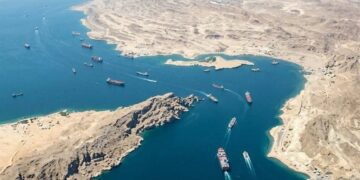
The agreement is also expected to facilitate the reopening of the Strait of Hormuz, one of the world’s most important energy shipping routes, and bring an end to the U.S. blockade of Iranian ports.
At the summit, G7 leaders expressed support for the framework agreement, describing it as an opportunity to pursue a lasting resolution to the conflict while addressing international concerns over Iran’s nuclear programme.
In a joint statement, the leaders said negotiations must ensure that Iran never acquires a nuclear weapon and that regional security threats are addressed through diplomatic means.
“We underline the need for the negotiation to address the threats posed by Iran in the region and beyond and ensure that they never obtain a nuclear weapon,” the statement said.
The leaders of Britain, Canada, France, Germany, Italy and Japan also pledged support for the implementation of the agreement and indicated their readiness to contribute to efforts aimed at securing maritime routes once the Strait of Hormuz reopens.
However, despite the diplomatic breakthrough, questions remain about the long-term effectiveness of the agreement and whether it achieves the objectives Trump outlined at the start of the conflict.
Iran’s government remains in power, its stockpile of highly enriched uranium has not yet been dismantled, and its ballistic missile programme remains intact. Tehran has also not ended support for regional groups such as Hezbollah in Lebanon.
While Trump maintains that the agreement will prevent Iran from obtaining a nuclear weapon, U.S. officials have acknowledged that key issues, including the fate of Iran’s enriched uranium stockpile, will be addressed in future negotiations.
The deal has already sparked debate within the United States, with some members of Trump’s Republican Party expected to question whether the agreement secures sufficient concessions from Tehran ahead of November’s midterm elections.
Another major unresolved issue is Lebanon, where fighting between Israel and Hezbollah has continued despite progress in U.S.-Iran negotiations.
Israel launched military operations in Lebanon in March after Hezbollah opened a northern front in support of Iran following joint U.S.-Israeli strikes on Iranian targets.
Although the proposed ceasefire framework is expected to cover hostilities in Lebanon, significant disagreements remain. Iran insists that a lasting agreement must include a complete end to military operations in Lebanon and the withdrawal of Israeli forces from occupied territories in the south of the country.
Israel, however, has rejected calls for withdrawal and insists it must retain the freedom to conduct military operations against Hezbollah if necessary.
The issue has exposed growing tensions between Washington and Tel Aviv, with reports of disagreements between Trump and Israeli Prime Minister Benjamin Netanyahu over the future direction of the conflict.
In their communique, G7 leaders called for an “immediate robust ceasefire” in Lebanon and renewed efforts toward the disarmament of Hezbollah.
Financial markets responded positively to the prospect of reduced tensions in the Middle East. Oil prices extended losses on Wednesday amid expectations that the reopening of the Strait of Hormuz could significantly boost global energy supplies.
Brent crude fell below $80 per barrel, reaching its lowest level since the conflict between the United States and Iran began.