















































































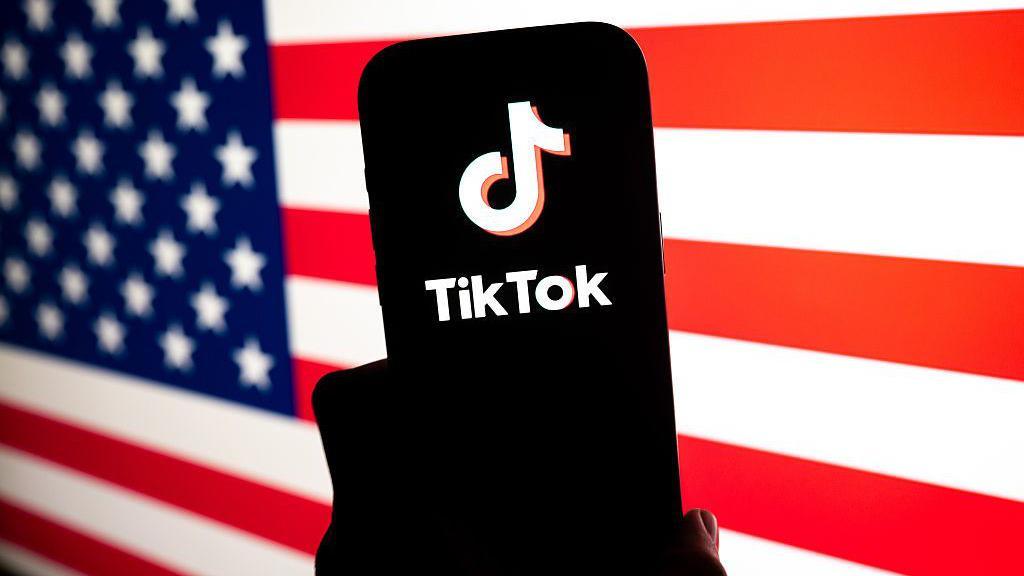
TikTok and its Chinese parent company, ByteDance, have agreed to pay $400 million to settle a legal dispute with the United States government over allegations that the platform failed to adequately protect children’s personal information.
The settlement is likely to resonate with parents in Nigeria and across Africa, where TikTok has become increasingly popular among teenagers and younger users, raising similar concerns about children’s exposure to social media and the handling of their personal data.
The United States Department of Justice had sued TikTok and ByteDance in 2024, accusing the companies of violating laws designed to protect children online.
At the centre of the case was an allegation that TikTok allowed children under 13 to use the platform without properly obtaining parental consent before collecting their personal information.
The US authorities said the information involved could include details such as names, email addresses and other data that can be used to identify young users.
Under the agreement, TikTok will pay $300 million immediately, while another $100 million will become payable after a court order vacates an earlier consent decree involving Musical.ly, the platform TikTok acquired.
The earlier case dated back to 2019, when the US Federal Trade Commission accused Musical.ly of knowingly allowing young children to use its service and collecting their personal information without obtaining parental permission. The company paid $5.7 million at the time.
For Nigerian parents, the case highlights a concern that is becoming increasingly difficult to ignore: children can easily find their way onto social media platforms, sometimes with little knowledge or supervision from adults.
A child using TikTok, for instance, may provide a name, photograph, school information, location or other personal details without fully understanding how such information can be stored, analyzed or shared.
The US Justice Department said its priority was to ensure that children were protected online and that technology companies handled children’s personal information responsibly.
The department’s intervention also reflects growing global pressure on social media companies to strengthen age verification, parental controls and privacy safeguards.
TikTok has not publicly admitted wrongdoing as part of the settlement.
The company has also undergone major changes in its US operations since the lawsuit was filed, including changes to its ownership structure, management, compliance systems and privacy practices.
In January, ByteDance agreed to establish a majority American-owned joint venture as part of efforts to keep TikTok operating in the United States and address concerns over the handling of American users’ data.
The company has said that users must provide their date of birth before accessing the platform in the US.
What it means for Nigerian families
Although the settlement concerns US law, the issues behind the case are not unique to America.
TikTok, Instagram, Facebook, YouTube and other social platforms are widely used by Nigerian children and teenagers. Many young users spend hours online every day, often creating accounts, posting videos and communicating with strangers before fully understanding the risks associated with sharing personal information.
The development therefore offers a reminder to parents and guardians in Nigeria to pay closer attention to what children post online, the information they disclose and the people they interact with.
Parents should also check the privacy and parental-control settings on devices used by children and explain why details such as home addresses, school locations, phone numbers, passwords and private photographs should not be shared publicly.
For regulators and technology companies, the case equally underlines the need for stronger child-safety measures and clearer rules governing the collection and use of children’s data.
As social media becomes an increasingly important part of everyday life in Nigeria, protecting young users’ privacy may become just as important as protecting them from other dangers they face online.