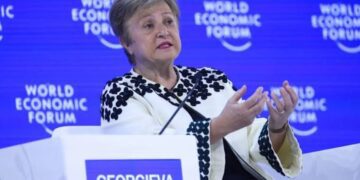



































































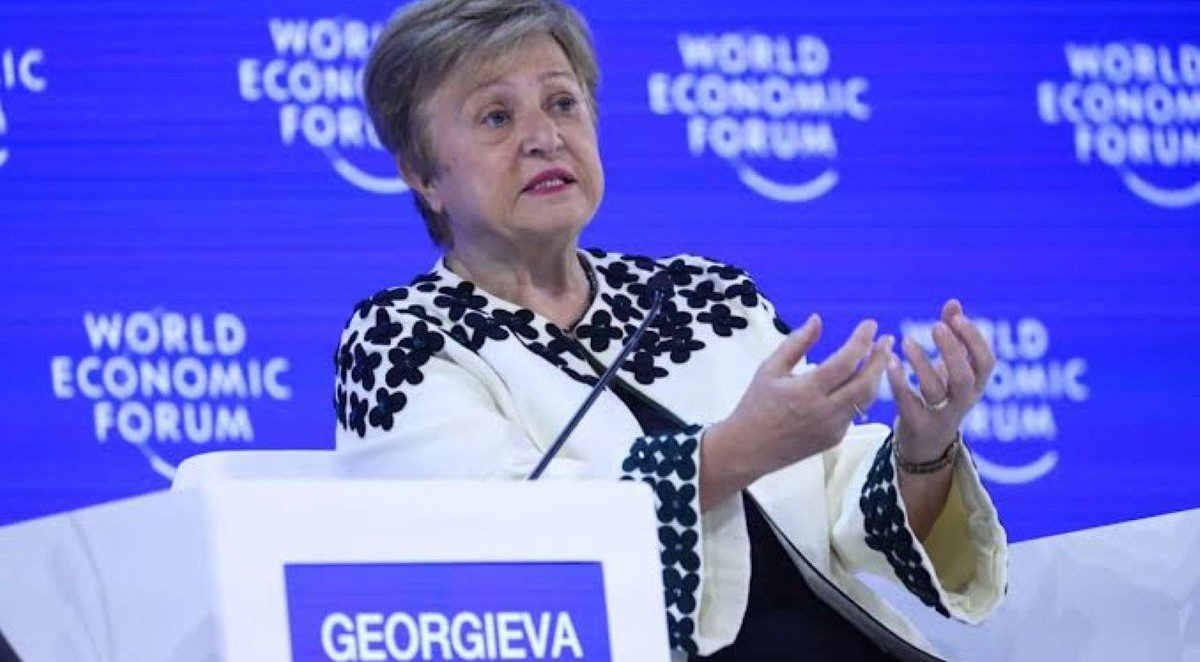
The rapid expansion of artificial intelligence is reshaping the global economy but could also widen the gap between rich and poor countries if access to the technology remains uneven, International Monetary Fund Managing Director Kristalina Georgieva has warned.
Georgieva said on Wednesday that investment in AI was growing at a pace that could soon exceed spending on major infrastructure networks such as railways, electricity grids and telecommunications.
But she cautioned that the economic gains were concentrated largely in countries such as the United States, China and India, where businesses are investing heavily in data centres, chips, robotics and other AI infrastructure.
“Love it, hate it, or fear it, AI is here, rapidly becoming a key driver of countries’ relative fortunes in the world economy,” Georgieva said in a speech ahead of the IMF’s annual meetings in Singapore next week.
She warned that while leading AI economies were accelerating their growth, many other countries risked being left behind.
“Success requires everybody be taken along to harvest the transformative power of AI,” she said, calling for broader access to the technology and greater international cooperation.
Georgieva also raised concerns about the huge amounts of money flowing into the AI industry and the potential consequences if companies fail to generate earnings that justify current investment levels.
She said a sharp correction could have broader financial implications because of the growing leverage of major technology companies and the large global holdings of US equities.
Her warning comes after a sustained rally in technology stocks driven by enthusiasm over AI. Chipmaker Nvidia reached a record market value of nearly $5.7 trillion on Tuesday.
IMF urges action on mounting debt
Georgieva also warned governments in heavily indebted advanced economies to take stronger steps to restore the health of their public finances.
Higher borrowing costs, she said, were increasing governments’ interest payments at a time when they were already facing competing demands, including higher defence spending.
“Yet we don’t see decisive action in high-debt advanced economies where the need of the hour is for credible medium-term fiscal consolidation plans,” she said.
She called for difficult political decisions to address mounting debt while protecting vulnerable populations and limiting the impact of spending cuts on future economic growth.
Georgieva said policymakers also needed to pursue structural reforms that could strengthen economies over the longer term.
Energy shock keeps inflation risks alive
The IMF chief also addressed persistent inflation pressures linked to elevated energy prices following the escalation of conflict in the Middle East.
She said the shock had so far been contained to some extent by the use of energy stockpiles, improved efficiency and contingency measures. However, oil prices remained above $100 a barrel, while diesel prices had reached record levels and disruptions to natural gas supplies from the Gulf continued to affect economies in Asia and Europe.
Even if the conflict involving Iran ended quickly, she said, elevated energy prices could remain a problem for some time.
Georgieva backed the efforts of central banks that have raised interest rates to contain inflation and said some economies could benefit from maintaining a cautious bias towards tighter monetary policy.
The higher borrowing costs are particularly challenging for emerging markets, which face more volatile capital flows, while poorer countries could be forced to reduce spending on essential development programmes.
“My message to the world’s economic policymakers next week will be this: we cannot keep delaying necessary policy action,” Georgieva said.
She urged governments to explain to their populations why fiscal consolidation was necessary, protect the most vulnerable from its effects and implement reforms that support long-term growth.
“Some very tough political choices stare us in the face,” she said.