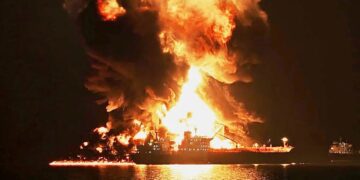


























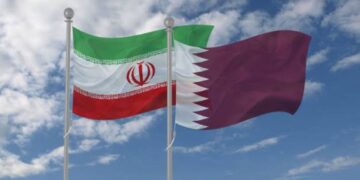










































The conflict between the United States and Iran has intensified sharply after Tehran launched missile attacks on American military installations in Bahrain and Kuwait, marking a significant escalation in hostilities across the Gulf region.
The latest exchange followed a second wave of US military strikes on Iranian targets, prompting fears that recent diplomatic efforts to de-escalate the crisis may have collapsed.
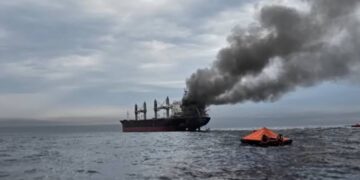
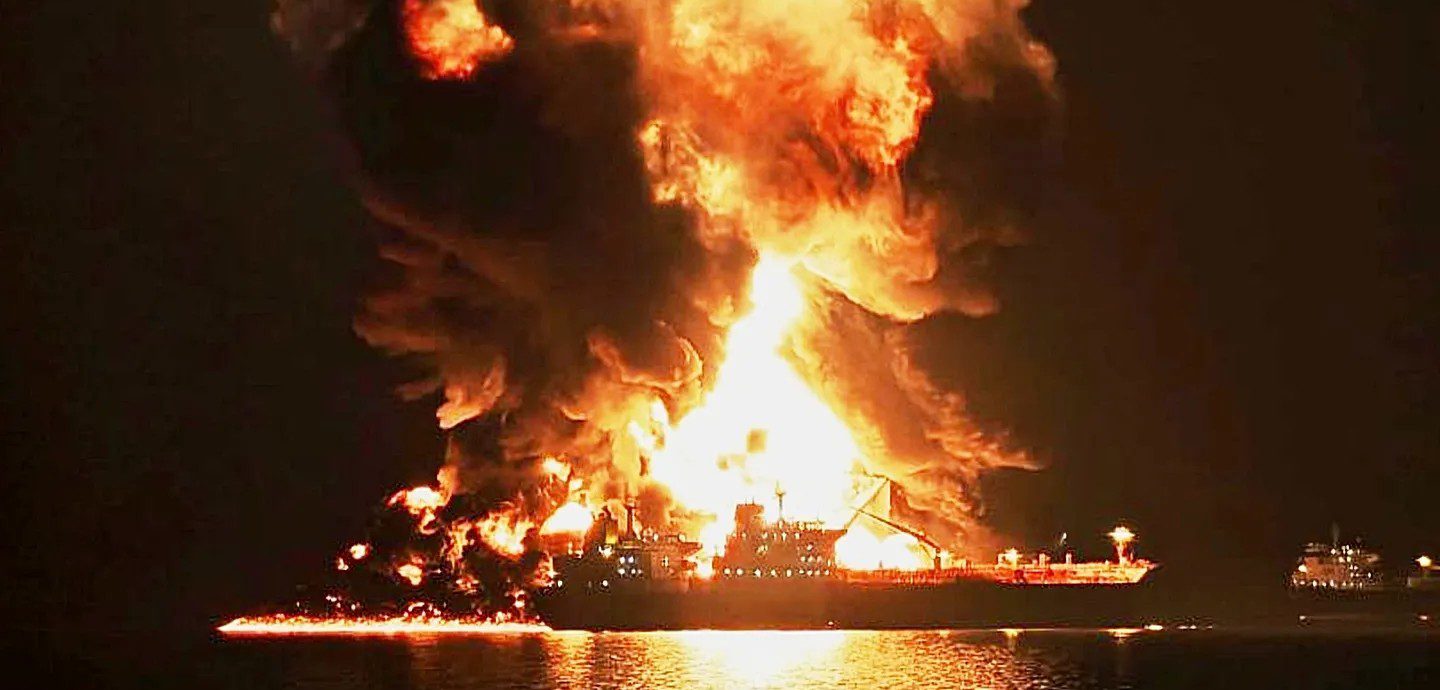
Iran said the attacks were carried out in response to what it described as continued American aggression, following US operations targeting military infrastructure and strategic facilities inside the country. Iranian state media also warned that any further attacks could trigger the closure of the Strait of Hormuz, one of the world’s most critical oil shipping routes.
The renewed fighting has cast serious doubt over prospects for a lasting ceasefire. US President Donald Trump declared that the interim truce previously reached with Iran was effectively over, signalling a tougher American stance as tensions continue to rise.
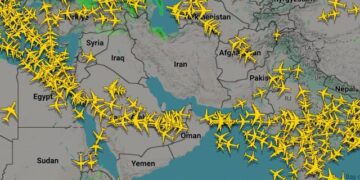
The exchange of strikes has heightened security concerns across the Gulf, with regional governments placing their armed forces on alert while international observers warn that the conflict could widen if diplomatic efforts fail.
The latest developments have also rattled global energy markets, as traders monitor the security of oil shipments through the Strait of Hormuz, a vital corridor for international crude exports.
Analysts say any prolonged disruption to shipping through the waterway could have significant consequences for global energy supplies and oil prices, while raising broader concerns about stability in the Middle East.Despite the sharp escalation, international calls for restraint have continued, with several governments urging both Washington and Tehran to return to dialogue to prevent a wider regional conflict.