














































































Global oil prices remained largely stable on Friday as investors weighed ongoing diplomatic efforts between the United States and Iran, with cautious optimism over easing tensions helping to calm fears of fresh disruptions to crude supplies through the Strait of Hormuz.
Brent crude, the international benchmark for oil prices, edged up 25 cents to trade around $72.05 per barrel, while US West Texas Intermediate (WTI) crude remained broadly unchanged at about $68.70 per barrel.
The modest gains came after both benchmarks fell to their lowest levels since before the conflict involving the United States, Israel and Iran escalated earlier this year.
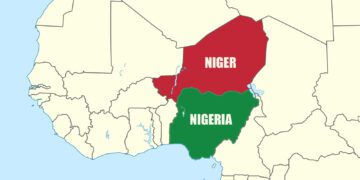
The relative stability in global oil prices carries mixed implications for Nigeria and other African economies.
As Africa’s largest crude oil producer, Nigeria benefits from stronger international oil prices through increased government revenue and foreign exchange earnings. However, higher global crude prices also tend to raise the cost of imported refined petroleum products, placing additional pressure on domestic fuel prices and inflation.
For many African countries that rely heavily on imported fuel, any prolonged disruption in Middle East oil supplies could significantly increase energy costs and strain public finances.
Analysts said financial markets remain cautiously optimistic that diplomatic engagements between Washington and Tehran could prevent further escalation in the Gulf.
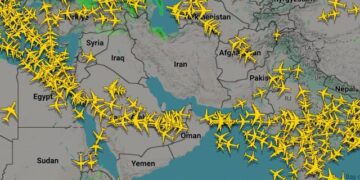
Attention remains focused on the Strait of Hormuz, one of the world’s most critical energy shipping routes through which roughly one-fifth of global oil supplies normally pass.
Although commercial shipping through the waterway has gradually resumed following recent tensions, uncertainty persists over future access and security arrangements.
Market observers say the current ceasefire framework has helped reduce immediate fears of major supply interruptions, even as negotiations continue over long-term maritime security.
Meanwhile, several Gulf oil producers have begun raising production as exports recover.
Reports indicate that Kuwait significantly increased crude output during June, while Saudi Arabia has accelerated shipments to Asian buyers as more tankers resume operations through the Gulf.
The improved flow of oil has eased concerns about an immediate supply shortage, contributing to the recent decline in crude prices.
Analysts also note that additional crude held in storage and aboard tankers is gradually returning to international markets, further improving global supply.
Despite the recent calm, energy analysts caution that oil markets remain highly sensitive to developments in the Middle East.
Any renewed military confrontation involving Iran or disruptions to shipping through the Strait of Hormuz could quickly reverse the current trend and trigger another surge in global oil prices.
For Nigeria, where oil exports remain a major source of government revenue, developments in the Gulf will continue to influence fiscal projections, exchange rate stability and broader economic performance in the months ahead.