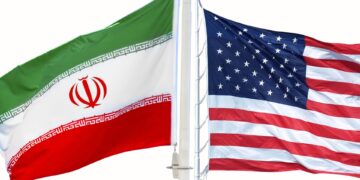









































































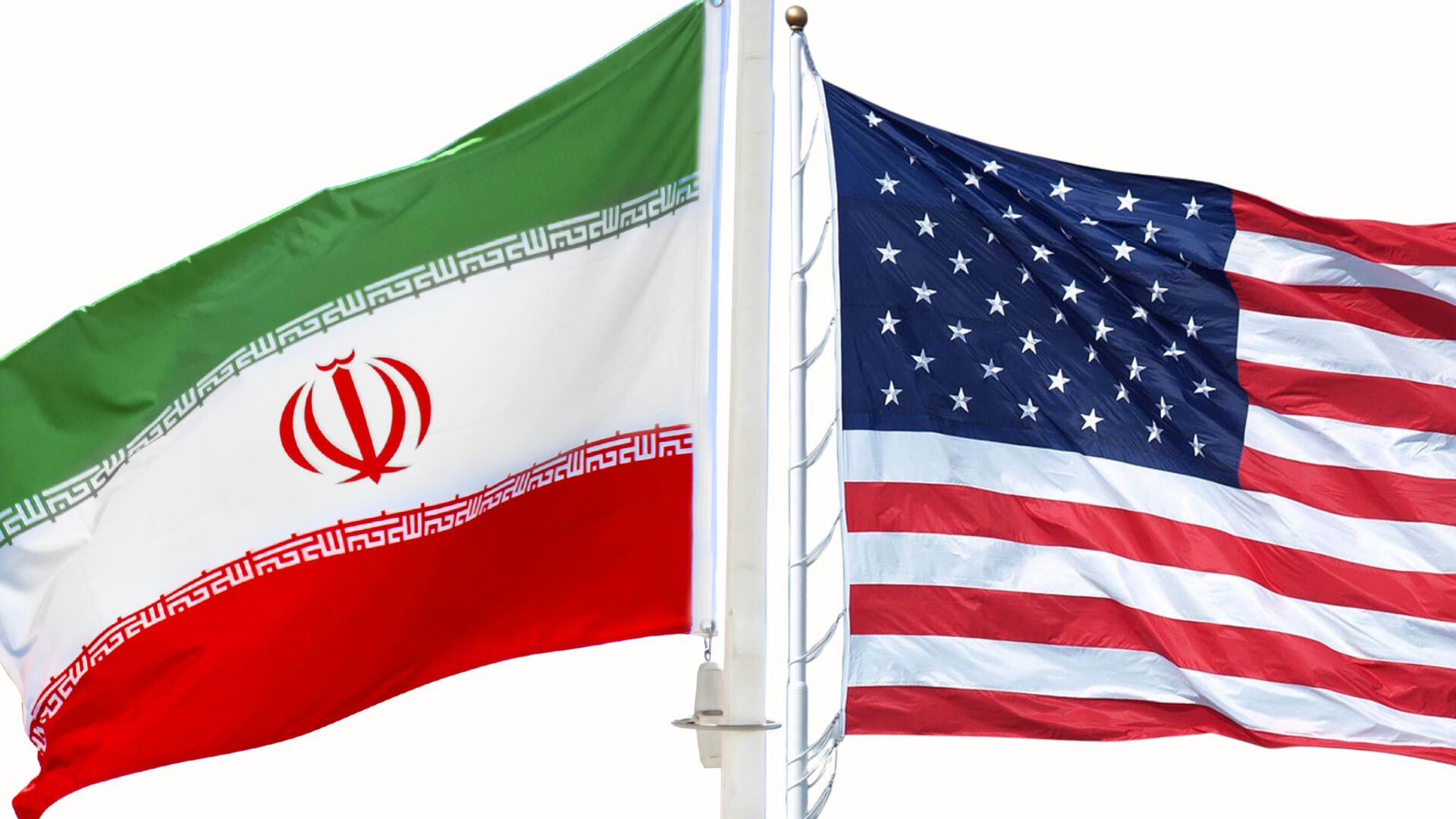
United States President Donald Trump has declared that the interim agreement aimed at ending hostilities with Iran has effectively broken down, warning that Washington could launch another round of military strikes following fresh attacks on American military facilities in the Gulf.
Speaking on the sidelines of a NATO summit on Wednesday, Trump expressed deep skepticism about the prospects of any lasting agreement with Tehran, saying he no longer believed negotiations would produce a durable peace.
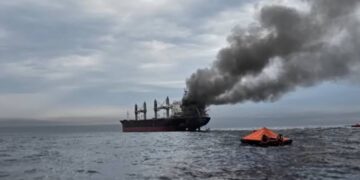
His remarks came after Iran announced it had launched attacks against U.S. military installations in Bahrain and Kuwait, describing the operation as retaliation for recent American strikes on Iranian targets. The latest escalation follows renewed U.S. military action after attacks on commercial shipping in the Strait of Hormuz.
Although the U.S. president stopped short of formally announcing an end to diplomatic efforts, he indicated that he had little confidence in further negotiations.
Trump also suggested that additional military action was imminent, telling reporters that the United States was prepared to respond forcefully to Iran’s latest actions.
The renewed exchange of attacks has cast serious doubt over the ceasefire framework agreed in June, which had temporarily halted months of fighting that began earlier this year following U.S. and Israeli military operations against Iranian targets.
The latest escalation has heightened concerns over security in the Strait of Hormuz, one of the world’s most important oil transit routes. Shipping data showed that several oil and gas tankers altered their routes or delayed passage through the strategic waterway as tensions intensified.
Global financial markets reacted swiftly to the developments. International oil prices rose sharply as traders weighed the risk of further disruption to energy supplies from the Gulf, while major stock markets recorded losses amid growing geopolitical uncertainty.
Iran’s Revolutionary Guard Corps said its missile operation targeted American military facilities in Bahrain and Kuwait and claimed its forces also shot down a U.S. military drone during the confrontation.
Earlier, U.S. forces had carried out strikes against Iranian military assets, including naval facilities and equipment linked to operations in the Strait of Hormuz. American officials said the attacks were intended to weaken Iran’s capability to threaten international shipping.
Trump confirmed that U.S. operations had also targeted facilities connected to Iran’s oil export infrastructure and warned that further strikes remained under consideration if tensions continued to escalate.
The U.S. military said the latest operation focused on coastal surveillance systems, missile launch sites, air defence installations and unmanned aerial vehicle facilities used by Iranian forces.
Iran condemned the strikes, describing them as an act of aggression and vowing to respond. Senior Iranian officials accused Washington of violating the ceasefire arrangement and insisted Tehran would continue to defend its strategic interests in the Gulf.
Iranian authorities also criticized the United States for revoking a licence that had temporarily allowed the sale of Iranian crude oil under the ceasefire framework. The licence had been introduced to facilitate limited energy exports but was withdrawn following the latest deterioration in relations.
The renewed confrontation has raised fresh concerns about regional stability, with international observers warning that continued military exchanges could threaten global energy markets and further complicate diplomatic efforts to prevent a wider conflict.