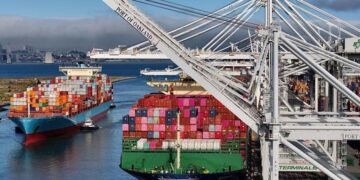













































































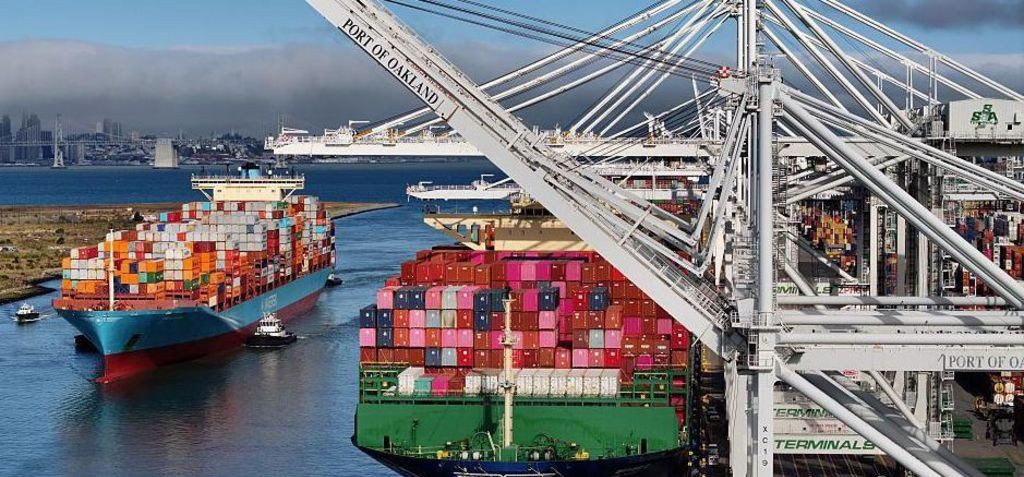
The United States has imposed a fresh round of import tariffs on goods from 60 trading partners, introducing new duties of between 10 and 12.5 per cent on products entering the American market.
The measures, announced by the administration of President Donald Trump, took effect immediately after a temporary 10 per cent global tariff expired, ensuring that most imports into the United States continue to attract additional levies.
Washington said the new tariffs were introduced under the Trade Act of 1974, accusing several trading partners of failing to adequately prevent products allegedly made with forced labour from entering international supply chains.
According to U.S. officials, the policy is intended to protect workers’ rights while preventing unfair trade practices that they argue place American manufacturers at a disadvantage.
The latest action affects imports from major economies including China, the European Union, Japan, South Korea, India, Canada, Mexico, Malaysia, Indonesia, Pakistan, Bangladesh, Cambodia, Vietnam and several other countries.
Although the tariffs cover almost all imports into the United States, a number of strategic products have been excluded. These include crude oil, natural gas, fertilisers, selected food items, aircraft components, critical minerals and products already subject to separate national security tariffs.
The Trump administration said countries that have negotiated separate trade agreements with Washington would not face tariff rates beyond those previously agreed.
The new policy follows a legal setback earlier this year when the U.S. Supreme Court invalidated some of President Trump’s earlier reciprocal tariffs imposed under emergency powers. By relying on existing trade legislation, the White House believes the latest measures are less vulnerable to legal challenges.
Several countries have criticized the decision.
European Union officials questioned the basis for imposing labour-related tariffs on countries with strong workplace protections, while governments including Australia, Brazil and Norway described the new duties as unjustified and signalled plans to seek their removal through diplomatic channels.
Canada also expressed concern over the unilateral action but indicated it would continue discussions with Washington over outstanding trade issues.
China, which remains one of America’s largest trading partners despite years of tariff disputes, is among the countries affected. The latest move adds another layer of pressure to an already tense trade relationship between the world’s two biggest economies.
Trade analysts say the tariffs could increase the cost of goods imported into the United States, disrupt global supply chains and create fresh uncertainty for exporters around the world.
For Nigeria, although direct exports to the United States remain relatively modest compared with larger economies, the policy could still have indirect consequences. Any slowdown in global trade or manufacturing could affect commodity demand, while changes in international supply chains may influence export opportunities, foreign investment flows and oil market dynamics.
Economists also warn that prolonged trade tensions between major economies often contribute to higher global prices, slower economic growth and increased volatility in international markets, with developing countries frequently bearing part of the impact.