


















































































A promising new treatment for bladder cancer is being hailed by doctors as a breakthrough after trial results showed it can help patients avoid life-changing surgery while significantly reducing the risk of the disease returning.
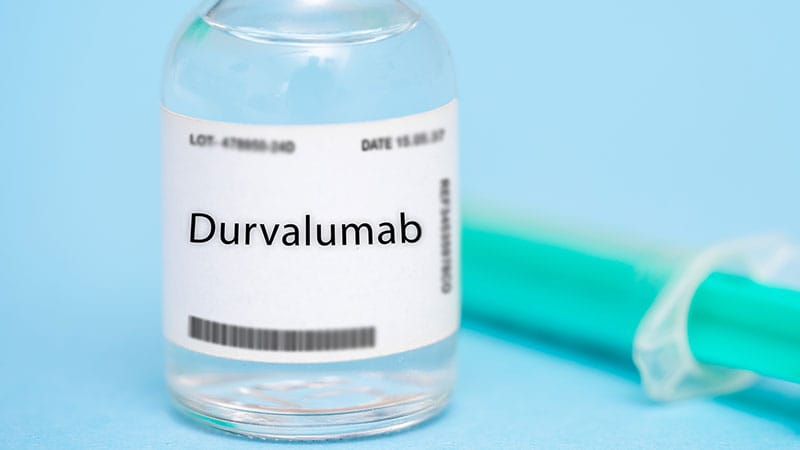
Researchers say the immunotherapy drug durvalumab, when combined with chemotherapy and radiotherapy, could transform treatment for patients with aggressive bladder cancer by preserving the bladder and maintaining quality of life.
However, while the findings have generated excitement among cancer specialists, questions remain about whether patients in lower-income countries will be able to access the treatment due to cost, healthcare infrastructure gaps and unequal access to advanced cancer care.
The findings were presented at the American Society of Clinical Oncology’s annual meeting in Chicago following a clinical trial led by the Institute of Cancer Research (ICR), London.
Bladder cancer is the ninth most common cancer globally and is often treated through the complete removal of the bladder when the disease becomes advanced or aggressive. Such surgery permanently changes how patients pass urine and can have significant physical, emotional and financial consequences.
The phase-two trial involved 54 patients who received durvalumab alongside chemotherapy and radiotherapy instead of undergoing bladder removal surgery.
Researchers reported that cancer did not return in 46 patients, representing about 85 per cent of participants. Previous studies using only chemotherapy and radiotherapy recorded recurrence-free rates of around 60 per cent.
Professor Nick James, who led the research, said the results suggest many patients may be able to avoid major surgery altogether.
“Keeping the bladder means people can avoid major, life-changing surgery and maintain more of their normal daily function and independence,” he said.
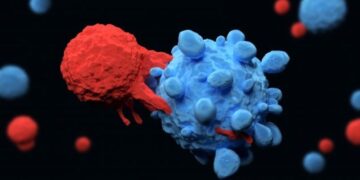
Durvalumab works by helping the body’s immune system identify and attack cancer cells that would otherwise remain hidden.
Cancer specialists say preserving the bladder can dramatically improve quality of life for patients, many of whom struggle with the physical and psychological impact of bladder removal and long-term use of urinary diversion systems.
Yet experts note that the benefits of the breakthrough may not be felt equally around the world.
While countries with well-funded healthcare systems may quickly adopt the treatment if larger studies confirm the findings, patients across Africa, parts of Asia and other developing regions could face significant barriers.
Immunotherapy drugs such as durvalumab are among the most expensive cancer treatments available, often costing thousands of dollars per treatment cycle. In many countries where health insurance coverage remains limited, patients are forced to pay out-of-pocket for cancer care.
Beyond affordability, access to treatment may also be constrained by shortages of oncology specialists, radiotherapy centres and diagnostic facilities needed to identify eligible patients and administer the therapy safely.
According to global health experts, many low-income countries still struggle to provide basic cancer screening and treatment services, resulting in patients being diagnosed at later stages when treatment options become more limited.
The challenge is particularly significant in sub-Saharan Africa, where cancer cases are rising but healthcare systems remain under pressure from shortages of funding, equipment and trained personnel.
Health advocates argue that breakthroughs in cancer treatment must be accompanied by efforts to improve access, strengthen healthcare infrastructure and make innovative medicines more affordable.
Researchers behind the study caution that larger trials are still needed before the treatment becomes a new global standard of care.
Nevertheless, the findings are being viewed as an important step toward less invasive cancer treatment.
Professor Kristian Helin, Chief Executive of the Institute of Cancer Research, described the results as a significant advance for patients living with aggressive bladder cancer.
Cancer Research UK Chief Executive Michelle Mitchell also welcomed the findings, saying the treatment has the potential to help patients live not only longer lives but better lives.
For millions of cancer patients worldwide, the study offers hope that future treatments may be both more effective and less disruptive. The bigger challenge may be ensuring those advances reach patients regardless of where they live or how much they can afford to pay.