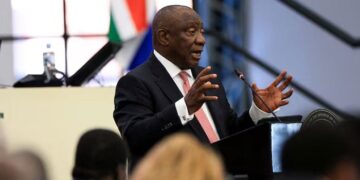




































































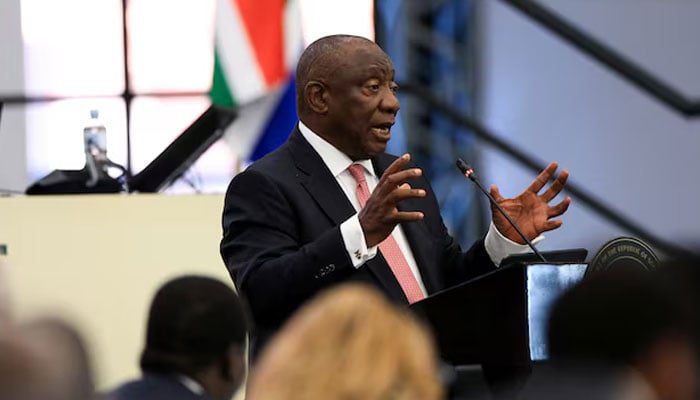
South African President Cyril Ramaphosa has said the ongoing return of undocumented foreign nationals from the country is being carried out on a voluntary basis and in collaboration with the governments of affected countries and international humanitarian organisations.
Speaking during a media briefing on Thursday, the president said the repatriation programme was designed to address migration concerns while ensuring that the rights and dignity of all individuals were protected.
According to him, the process is being coordinated with neighbouring governments and international refugee agencies to ensure that migrants who choose to return home do so in an orderly and humane manner.
Ramaphosa noted that he had engaged several African leaders on the issue, adding that they recognised migration as a challenge confronting many countries around the world rather than one unique to South Africa.
He stressed that the protection of human rights remains central to the government’s response, saying both South African citizens and foreign nationals must be treated in accordance with the law.
The president also cautioned members of the public against attempting to identify or confront individuals suspected of being undocumented migrants, emphasising that immigration enforcement remains the exclusive responsibility of authorised government officials.
As part of the government’s response, Ramaphosa said temporary repatriation processing centres have been established in strategic locations, including Musina in Limpopo Province near the Zimbabwean border, to facilitate voluntary departures.
Official figures indicate that the Musina facility has processed tens of thousands of undocumented migrants since it became operational in early July, while more than 50,000 people have exited South Africa through various border posts since anti-immigration tensions escalated.
The government also announced measures aimed at strengthening border management, enforcing immigration and labour laws, and sanctioning employers found to be engaging undocumented workers.
The renewed tensions follow months of anti-immigration protests in parts of South Africa that have resulted in violence, looting and attacks targeting foreign nationals in several communities, raising concerns across the region and prompting diplomatic engagement between South Africa and affected countries.
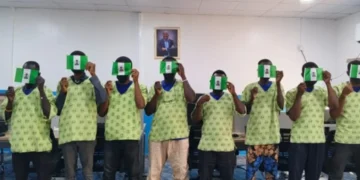
Nigeria is among the countries that have continued to facilitate the voluntary evacuation of their citizens.
The Nigerian authorities also confirmed that another group of citizens departed Johannesburg this week, bringing the total number of evacuees to more than 1,700 since the latest wave of unrest began, while additional Nigerians remain registered for voluntary return.