













































































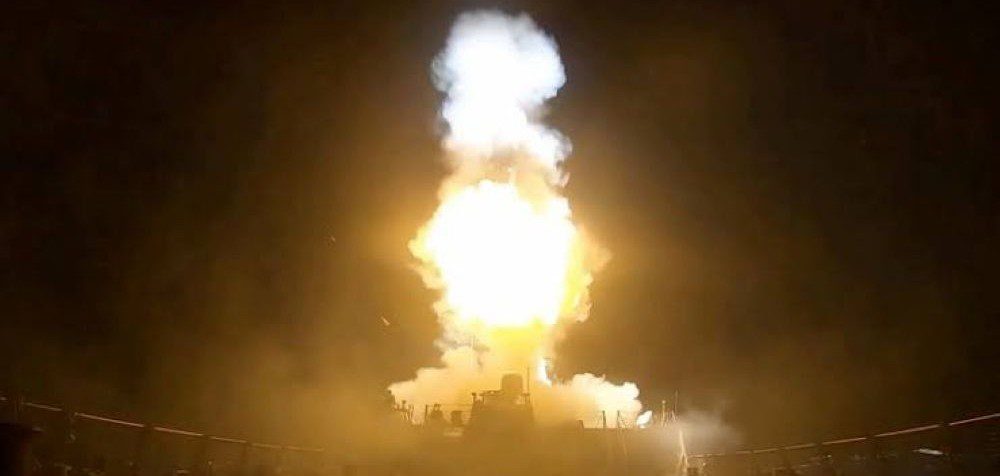
Iran has stepped up its military campaign against United States forces in the Gulf, launching fresh missile and drone strikes on American facilities while insisting that restrictions around the Strait of Hormuz will remain in place, raising renewed concerns over global energy supplies and oil prices.
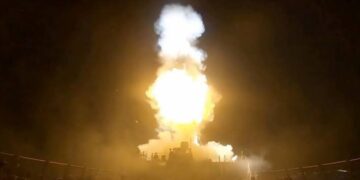
According to Iranian authorities, the latest attacks targeted U.S. military installations in Bahrain and Kuwait, while additional strikes reportedly hit radar facilities in Oman and logistics infrastructure at Jordan’s Prince Hassan Air Base. Tehran said the operation was carried out in retaliation for recent U.S. military action against Iranian positions.
The renewed exchange followed a series of U.S. strikes that officials said were aimed at degrading Iran’s military capabilities. Washington stated that its forces targeted Iranian air defence systems, missile and drone infrastructure, coastal surveillance equipment and naval assets used in operations around the Gulf.
The latest developments represent another escalation in the conflict, further undermining the temporary understanding reached between Washington and Tehran last month, which had sought to ease tensions and reopen negotiations.
Leaders exchange warnings
U.S. President Donald Trump signalled that military pressure on Iran would continue while maintaining that diplomatic channels remained open.
Iranian officials also adopted a firm position, insisting that Tehran would not accept any agreement it considered one-sided and warning that continued pressure from Washington would attract further consequences.
Oil prices remain under pressure
The renewed hostilities contributed to higher oil prices as markets reacted to fears of prolonged disruption around the Strait of Hormuz, one of the world’s most critical energy shipping routes.
Iran reiterated that normal maritime activity would not fully resume until what it described as U.S. military interference in the region ends. Iranian officials also disclosed that discussions with Oman on managing shipping through the waterway had faced setbacks.
Although crude prices rose following the latest escalation, they remained below the highs recorded earlier during the conflict.
Strait of Hormuz remains flashpoint
The dispute over navigation through the Strait of Hormuz has emerged as one of the central issues in the confrontation.
Iran has continued to advocate a permit and fee system for vessels using the strategic waterway, while maintaining restrictions introduced after what it described as unauthorized ship movements.
The United States has rejected Tehran’s position, insisting that international shipping should continue without interference and reaffirming its commitment to protecting freedom of navigation.
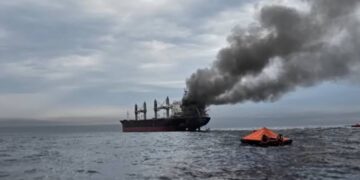
U.S. military officials said naval forces remain deployed to escort commercial vessels through the Gulf despite heightened security risks, even as shipping activity in the area remains subdued.
Military operations continue
U.S. Central Command said recent operations have struck hundreds of Iranian military targets over several days, including missile systems, surveillance facilities and naval assets believed to support attacks on commercial shipping.
Iran, meanwhile, said its military campaign has expanded to include U.S.-linked military infrastructure across several Gulf states, describing the attacks as a response to American operations inside Iranian territory.
The continued exchange of strikes has heightened uncertainty over regional stability and raised concerns about the potential impact on global energy markets if tensions persist.