





































































India and the African Union have postponed the upcoming India-Africa Forum Summit in New Delhi amid rising concerns over the worsening Ebola outbreak spreading across parts of Africa.
India’s foreign ministry announced on Thursday that both sides agreed it would be “advisable” to delay the summit because of the “emerging public health situation” affecting parts of the continent.
The fourth India-Africa Forum Summit had been scheduled to hold in New Delhi from May 28 to May 31 and was expected to bring together African leaders, ministers and senior officials for discussions on trade, investment, digital innovation, sustainability, development cooperation and global governance.
Although the Indian government did not directly mention Ebola in its statement, the postponement comes as the World Health Organization intensifies warnings over the growing outbreak of the Bundibugyo strain of Ebola in Democratic Republic of the Congo.
The WHO said this week that at least 600 suspected cases and 139 suspected deaths have been recorded since the outbreak began circulating undetected roughly two months ago.
The virus has already spread into neighbouring Uganda, while health officials warn more cases are likely to emerge across the region.
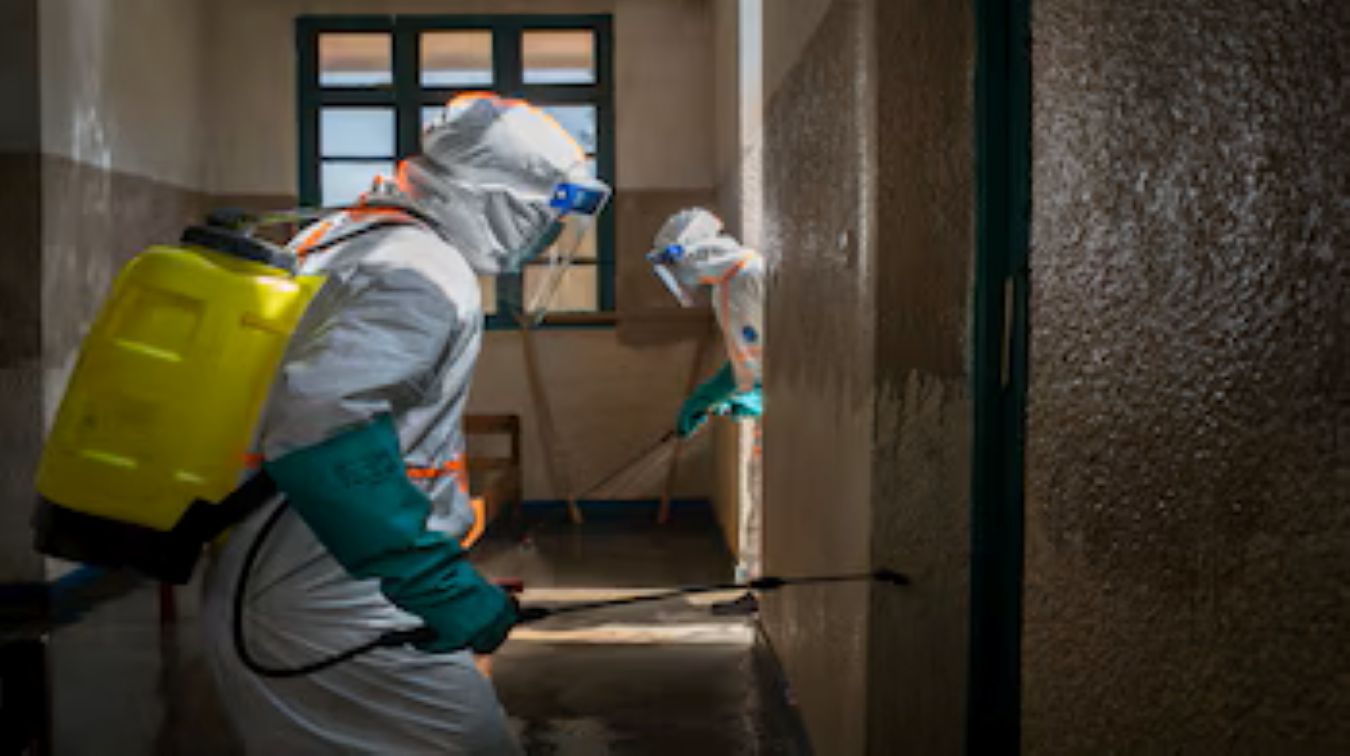
In Bunia, the epicentre of the outbreak in Ituri province, authorities have increased emergency measures as ambulances, screening teams and isolation units continue responding to rising suspected infections.
Health workers are carrying out intensified contact tracing and surveillance operations amid fears the outbreak may spread further into densely populated urban centres and conflict-affected areas.
The current outbreak has drawn particular concern because the Bundibugyo strain has no approved vaccine, making containment efforts more difficult than previous Ebola outbreaks.
The postponement of the India-Africa summit highlights the widening international impact of the outbreak as governments reassess travel, diplomatic engagements and regional cooperation initiatives.
Analysts say the decision also reflects broader fears about infectious disease outbreaks becoming increasingly disruptive to global trade, diplomacy and public health systems.
The WHO has warned that while the risk of global spread remains relatively low for now, the regional threat in Central and East Africa remains extremely serious due to conflict, weak healthcare systems and cross-border movement.