































































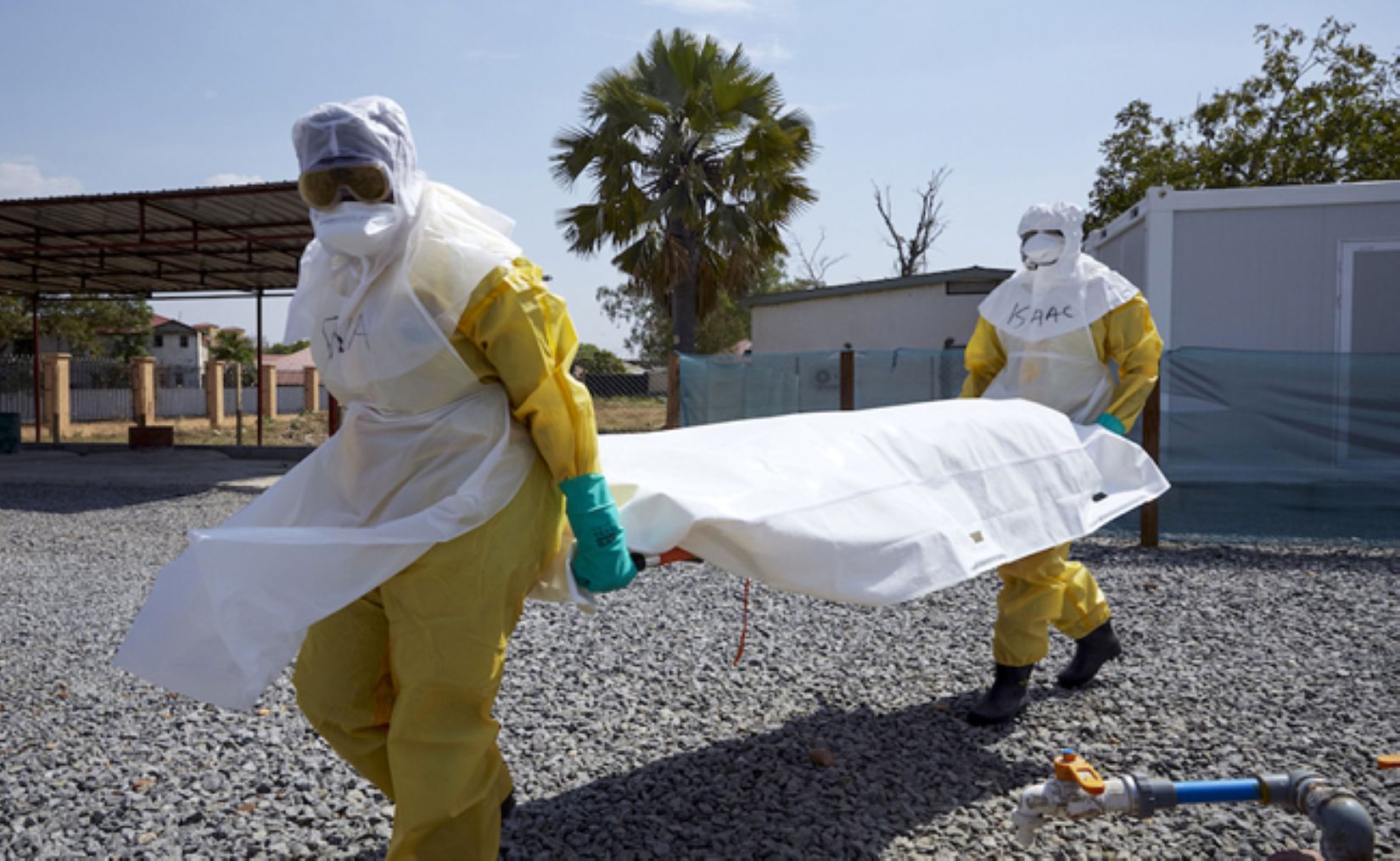
The World Health Organization has warned that the number of deaths linked to the latest Ebola outbreak in the Democratic Republic of Congo is expected to rise sharply after the virus circulated undetected for weeks in conflict-hit communities.
The WHO said on Wednesday that more than 600 suspected Ebola cases and 139 suspected deaths have now been recorded in Congo and neighbouring Uganda, as health authorities battle to contain the highly infectious Bundibugyo strain of the virus.
The UN health agency has formally classified the outbreak as a Public Health Emergency of International Concern, although it stopped short of declaring a global pandemic emergency.
Speaking in Geneva, WHO Director-General Tedros Adhanom Ghebreyesus said the outbreak posed a high risk at national and regional levels, particularly across Central and East Africa.
“The WHO assesses the risk of the epidemic as high at the national and regional levels and low at the global level,” Tedros stated.
Health officials say the outbreak may have been spreading silently for months before authorities identified the first confirmed cases.
According to the WHO, the first suspected death linked to the outbreak occurred on April 20 in eastern Congo, but investigations only intensified after reports of multiple unexplained deaths began circulating on social media in early May.
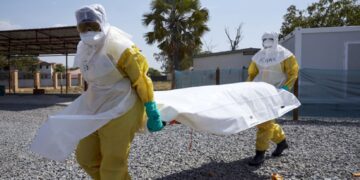
WHO emergencies chief Chikwe Ihekweazu said health teams are now focused on tracing transmission chains and isolating infected patients before the outbreak expands further.
“Our absolute priority now is to identify all the existing chains of transmission,” he said.
The outbreak is concentrated in the eastern provinces of Ituri and North Kivu, areas already devastated by years of armed conflict, displacement and weak healthcare infrastructure.
WHO experts believe a major “super-spreader” event may have accelerated infections, possibly during a funeral gathering or inside a healthcare facility where patients and medical workers came into close contact.
Authorities confirmed that at least 51 laboratory-confirmed cases have been identified in Congo, while Uganda has reported two confirmed infections in Kampala, including one death involving travellers from Congo.
An American medical missionary working in Congo, Dr Peter Stafford, also tested positive and has since been evacuated to Germany for treatment.
The WHO said the Bundibugyo strain remains particularly concerning because there is currently no approved vaccine available to stop transmission.
Unlike previous Ebola outbreaks involving the Zaire strain, which has licensed vaccines, the Bundibugyo variant has no approved vaccine or targeted treatment.
WHO officials said two potential vaccines are under consideration but may take between three and nine months to develop and undergo clinical testing.
The Bundibugyo strain has an estimated fatality rate of about 40 percent and spreads through direct contact with bodily fluids from infected individuals or contaminated materials.
The resurgence of Ebola has renewed concerns about Africa’s preparedness for increasingly frequent infectious disease outbreaks, especially as international health funding declines.
Health experts have warned that cuts in global aid and reduced emergency preparedness funding may have contributed to delays in detecting the outbreak.
Tedros, however, said it was still too early to conclude whether funding reductions directly affected the response.
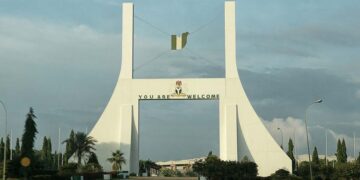
The outbreak has already triggered heightened surveillance measures across several African countries, including Nigeria, where the Nigeria Centre for Disease Control and Prevention has intensified border monitoring and emergency preparedness.
Public health officials across the continent are now racing to strengthen screening, contact tracing and isolation systems to prevent wider regional spread.