



































































Security experts and federal agencies in the United States are intensifying preparations for the 2026 FIFA World Cup amid growing concerns that the ongoing U.S.-Iran conflict could increase the risk of terrorist attacks during the tournament.
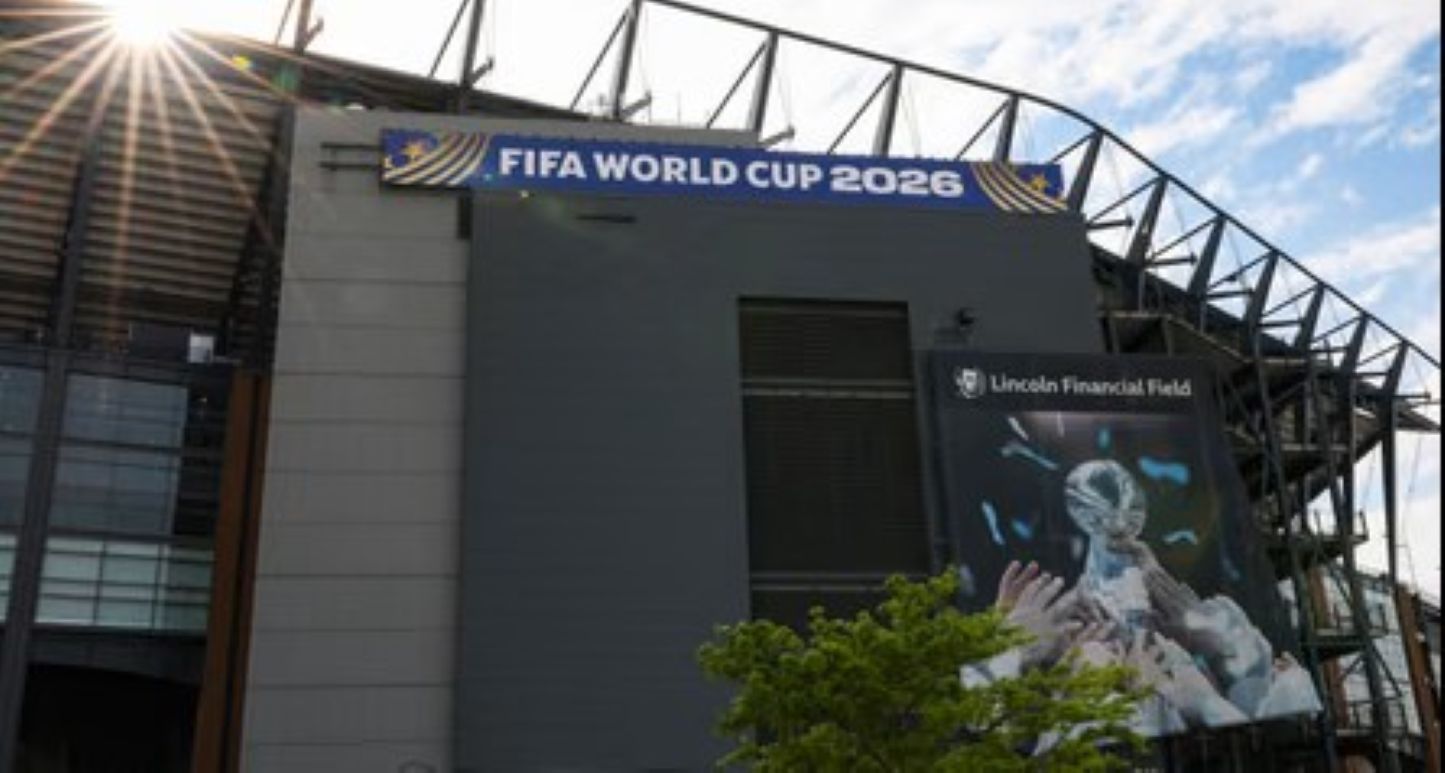
The competition, which will run across the United States, Canada and Mexico, is expected to be one of the largest sporting events in history, with the U.S. hosting 78 matches in 11 cities including New York/New Jersey, Los Angeles, Miami, Dallas, Atlanta and Seattle.
Counter-terrorism analysts have warned that the scale of the tournament, combined with current geopolitical tensions in the Middle East, presents major security challenges for U.S. authorities.
Javed Ali, a former U.S. national security official and current associate professor at the University of Michigan, said the biggest concern remains attacks by “homegrown violent extremists” or lone actors inspired by extremist ideologies online.
“We need to protect not only each venue, but all the other links in the chain that get to the point of the game,” Ali said. “There are just so many games and only so many resources to deploy.”
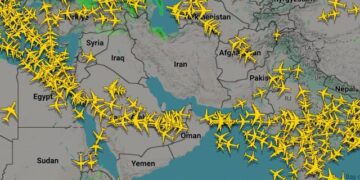
The warnings come amid continued military confrontation between Washington and Tehran, including recent clashes in the Gulf region and disputes surrounding the Strait of Hormuz.
Experts say the conflict has heightened fears that Iran-linked groups or individuals sympathetic to extremist causes could seek to target soft civilian locations connected to the World Cup.
While stadiums themselves are expected to have heavy protection, officials are increasingly concerned about vulnerable areas such as transport systems, fan zones, hotels, restaurants and public watch parties.
The U.S. Department of Homeland Security has designated the World Cup final at MetLife Stadium in New Jersey as a National Special Security Event, placing it under the direct coordination of the Secret Service, FBI and FEMA.
Other matches will operate under high-risk security classifications requiring federal and local law enforcement support.
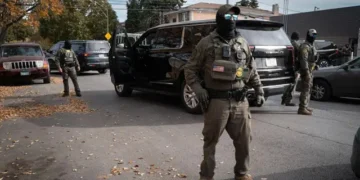
Federal authorities have already begun large-scale preparations. In March, the FBI reportedly conducted a nationwide training exercise focused on domestic terrorism threats ahead of major national events including the World Cup.
One federal law enforcement official familiar with the preparations said agents were alarmed by the complexity of securing such a large tournament spread across multiple cities.
“It will be hard to control, given the environment and the number of locations of matches and watch parties,” the official reportedly said. “There is a very real possibility that something bad will happen.”
Security analysts also pointed to growing concerns over drone attacks, cyber threats and failures in intelligence coordination between agencies.
Former CIA and FBI officer Tracy Walder said previous security failures in the U.S., including the January 6 Capitol attack and the attempted assassination of Donald Trump in Pennsylvania, highlighted weaknesses in communication among agencies.
“What I’ve seen is that we have lapses in our security when different agencies fail to communicate with each other,” she said.
The possibility of a politically charged match between Iran and the United States during the tournament has added another layer of concern. Analysts say such a fixture, particularly if played around the U.S. Independence Day celebrations, could become a focal point for threats or demonstrations.
Despite those fears, some experts downplayed the likelihood of sophisticated foreign terror operations inside the U.S., arguing that lone actors remain the more immediate danger.
“The Iranians just don’t have the people here to pull off an attack,” Ali said, noting that past Iran-linked plots in the U.S. often relied on criminal intermediaries rather than trained operatives.
Still, recent attacks inside the United States have reinforced concerns about self-radicalized extremists.
Authorities say the World Cup will require unprecedented coordination between federal agencies, local police, private security firms and international intelligence partners to protect millions of spectators expected to attend matches and fan events across North America.
The Department of Homeland Security said it is working “around the clock” with law enforcement partners to identify and mitigate potential threats tied to the tournament.
The World Cup is scheduled to begin in June 2026.