






















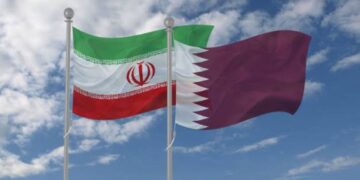






















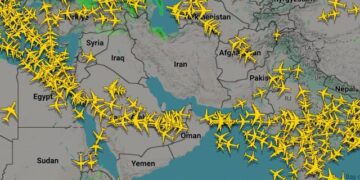




















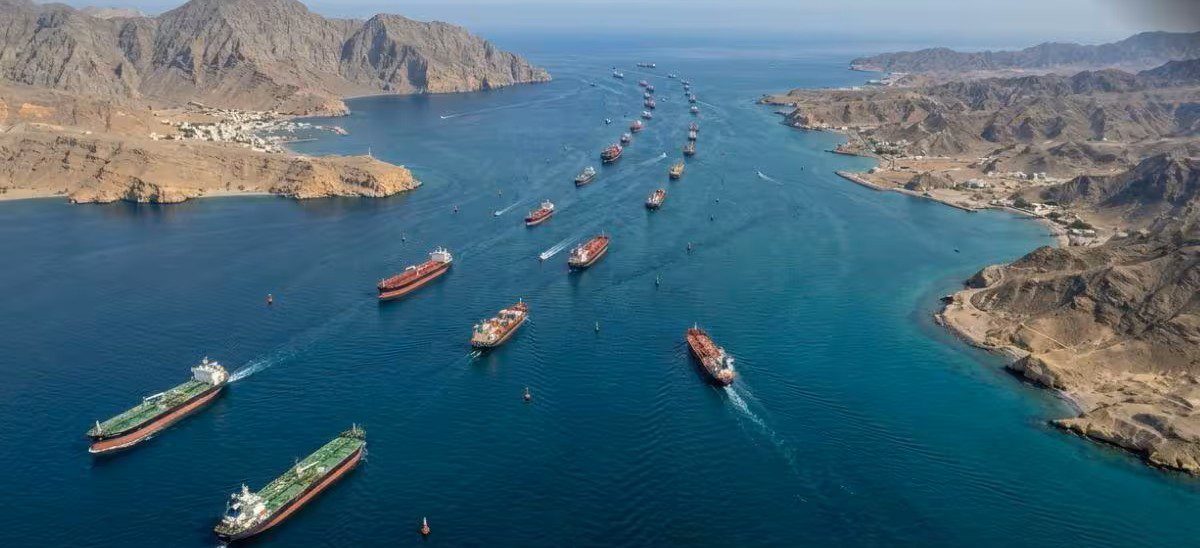
Iran has moved to consolidate its control over the strategic Strait of Hormuz through a growing network of island checkpoints, maritime clearances and diplomatic pressure, as global powers scramble to secure energy supplies disrupted by the escalating conflict in the Gulf.
The latest developments come amid renewed warnings from Tehran that any fresh military strike by the United States could trigger a wider regional confrontation with global consequences.
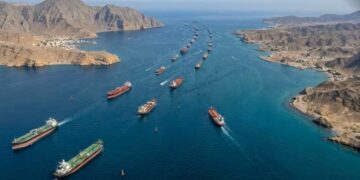
Iranian authorities are reportedly enforcing what shipping sources describe as a multi-layered clearance system for vessels transiting the Strait of Hormuz, the narrow waterway through which a significant share of the world’s oil and liquefied natural gas supplies normally pass.
The controls reportedly include security inspections, route approvals, communications monitoring and, in some cases, unofficial “fees” demanded from commercial operators seeking safe passage through the corridor.
The tightening restrictions have deepened anxiety across global energy markets, where governments are already struggling with reduced oil flows, rising insurance costs and volatile shipping routes caused by the Iran conflict.
While the United States has warned allies and shipping companies not to comply with what it considers unlawful Iranian controls, several commercial operators and governments appear willing to negotiate access in order to avoid disruptions to critical fuel supplies.
Energy analysts say many countries, particularly in Asia and parts of Europe, are facing mounting pressure to replenish strategic reserves as crude shipments slow and transport risks increase.
Oil prices and global shipping insurance rates have climbed sharply in recent weeks, while financial markets continue reacting nervously to fears of a prolonged Gulf crisis.
Iran’s latest warning followed comments by Donald Trump, who revealed he had come “within an hour” of relaunching military operations against Iran before deciding to hold back.
Responding to the remarks, Iranian officials warned that any renewed American attack would expand the conflict “beyond the region,” raising fears of retaliation against US military installations, allied Gulf states and critical maritime infrastructure.
The threat signals a dangerous new phase in tensions between Tehran and Washington, even as indirect diplomatic contacts continue through regional intermediaries including Pakistan and Gulf states.
The Strait of Hormuz remains one of the world’s most strategically important energy corridors, linking Gulf oil producers to international markets.
Any sustained disruption to shipping through the passage threatens major consequences for global fuel prices, inflation and economic stability, particularly in import-dependent regions including parts of Africa.
Several African economies already battling inflation, currency pressure and rising fuel costs could face renewed economic strain if the crisis worsens and oil supplies remain constrained.
Security analysts warn that the longer the standoff continues, the greater the risk of accidental confrontation involving naval forces, commercial vessels or regional militias operating across the Gulf.
Despite ongoing diplomatic efforts, there are growing concerns that the conflict is increasingly shifting from controlled escalation toward a broader geopolitical and economic crisis with worldwide implications.