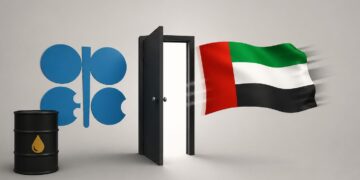































































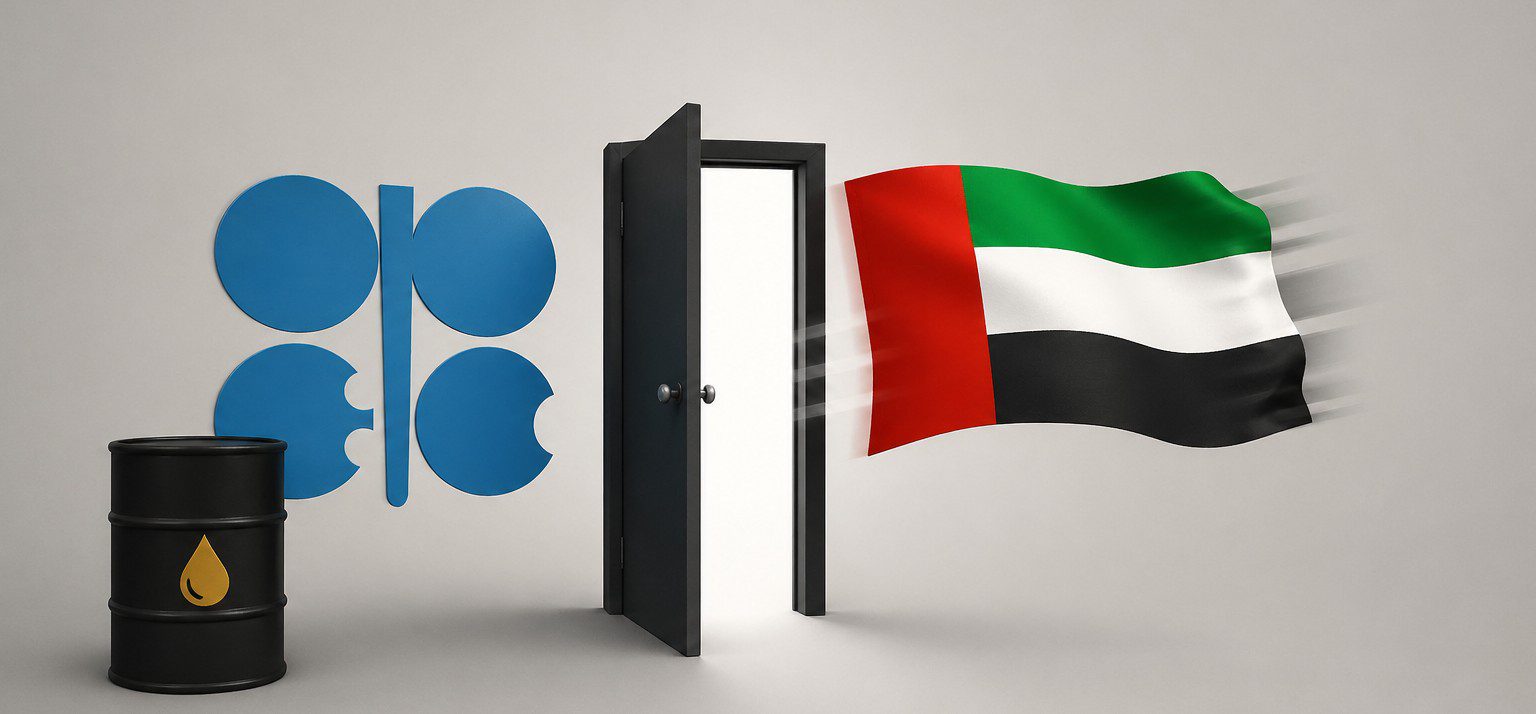
The United Arab Emirates (UAE) has announced its withdrawal from the Organization of the Petroleum Exporting Countries (OPEC), delivering a significant blow to the global oil producers’ alliance at a time of deep uncertainty in energy markets.
The decision, confirmed on Tuesday, will take effect from 01 May and follows what officials described as a strategic review of the country’s long-term energy direction. The move comes as the ongoing Iran war continues to disrupt global oil flows and push prices higher.
UAE Energy Minister Suhail Mohamed al-Mazrouei said the decision was driven by national interest and future production goals, stressing it was taken independently without consultation with other OPEC members.
A major shift in oil politics
The UAE, one of OPEC’s largest producers, has been a longstanding member of the cartel, and its exit is expected to weaken the group’s cohesion and influence over global oil supply.
Analysts say the departure reflects growing disagreements within the alliance, particularly over production quotas that have long been a source of friction. The UAE has pushed to increase output capacity and may now have greater flexibility outside OPEC constraints.
The move also raises questions about the future of OPEC+, the broader coalition that includes major producers like Russia, and whether other members could follow suit.
War-driven energy shock
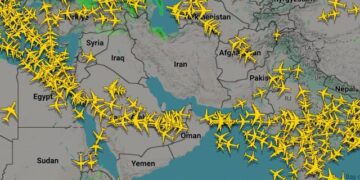
The timing of the exit is closely tied to the ongoing conflict involving Iran, which has disrupted shipments through the strategic Strait of Hormuz, a key route for roughly a fifth of global oil supply.
The crisis has exposed divisions among Gulf nations and strained cooperation within OPEC, as countries balance national interests against collective production strategies.
Oil prices have surged above $100 per barrel in recent weeks, driven by supply fears and uncertainty over the conflict’s trajectory.
Implications for global markets
Experts warn that the UAE’s departure could reshape the global oil market in several ways:
- Reduced ability of OPEC to control supply and stabilize prices
- Potential increase in production competition among major exporters
- Risk of future price volatility or even a price war once supply routes normalize
Some analysts say the move could shift more influence toward non-OPEC producers, including the United States and Canada, while also challenging Saudi Arabia’s traditional leadership role within the cartel.
What comes next
While immediate market impact may be limited due to ongoing supply disruptions, the longer-term consequences could be significant. The UAE’s exit signals a broader realignment in global energy politics, where national priorities are increasingly outweighing collective agreements.
As the Iran conflict continues to shape supply dynamics, attention will now turn to whether OPEC can maintain unity, or whether this marks the beginning of deeper fragmentation within the oil alliance.