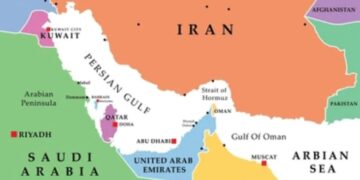









































































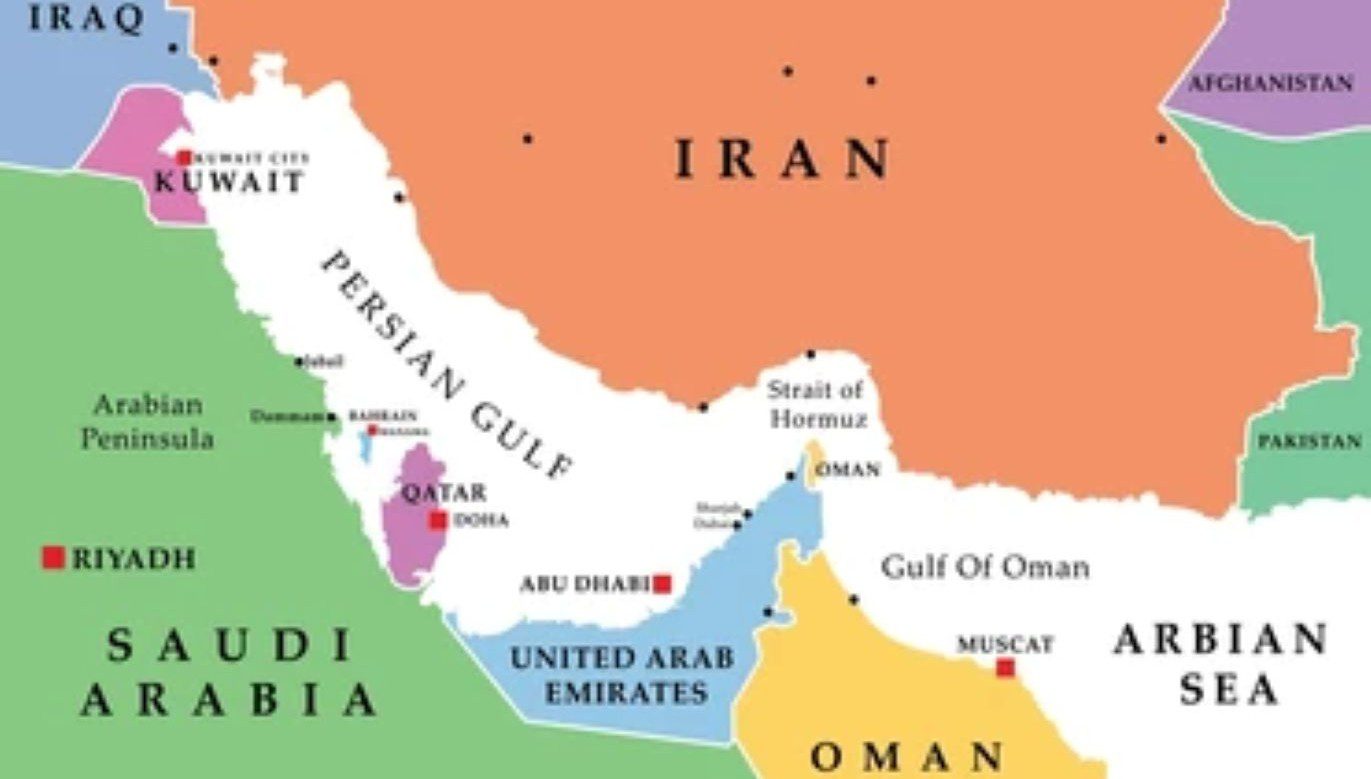
U.S. President Donald Trump has dropped plans to impose a 20 per cent transit charge on vessels passing through the Strait of Hormuz, saying the United States will instead pursue trade and investment agreements with Gulf countries as tensions with Iran continue.
The proposed levy had been announced as part of Washington’s response to Iran’s actions in the Gulf and was intended to apply to commercial cargo moving through one of the world’s busiest energy corridors.
However, shortly before the measure was due to take effect, Trump announced that the plan had been shelved following discussions with leaders from the Middle East.
In a post on his Truth Social platform, the U.S. president said the transit fee would be replaced by investment and commercial arrangements involving Gulf states, adding that the agreements would provide long-term economic benefits for both the United States and its regional partners. He did not disclose specific commitments or identify the countries involved.
Trump also stated that the Strait of Hormuz would remain open to international shipping, while maintaining restrictions on Iranian maritime activity.
The policy shift came as military exchanges between the United States and Iran entered another phase.
Iranian state media reported explosions on Qeshm Island, while local reports also indicated an incident near infrastructure on Kish Island. Authorities later clarified that another reported explosion in Khuzestan Province was part of a controlled operation rather than an attack.
Iran had earlier launched missile attacks targeting a U.S. military base in Jordan. Bahrain, which hosts a U.S. naval facility, said its air defences intercepted aerial threats, while Jordan reported destroying several incoming ballistic missiles.
Kuwait also activated its air defence systems after detecting what authorities described as hostile aerial targets, and Bahrain issued public warning sirens as a precaution.
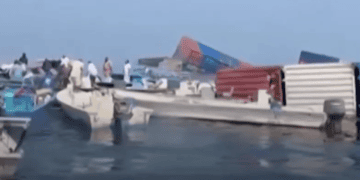
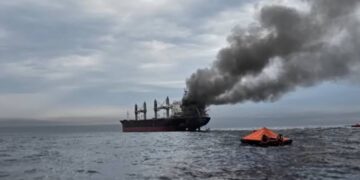
The United Arab Emirates separately reported that two of its oil tankers were struck by Iranian cruise missiles while transiting the Strait of Hormuz, leaving one Indian crew member dead and eight others injured. Emirati authorities said the country reserved the right to respond to the attack.
Renewed military activity in the Gulf pushed oil prices higher as traders monitored the security of global energy supplies.
Brent crude rose to its highest level in about a month amid concerns that continued instability around the Strait of Hormuz could disrupt exports. Before the conflict escalated, the waterway handled roughly one-fifth of global oil and liquefied natural gas shipments.
The proposal to introduce a U.S.-imposed transit fee had also drawn criticism from parts of the international shipping industry, with maritime organizations questioning its legal basis under international navigation rules.
Although fighting has intensified in recent days, analysts say both Washington and Tehran continue to weigh military pressure alongside diplomatic options.
The latest developments have also raised fresh doubts about the durability of the memorandum of understanding reached last month, which had been expected to create conditions for broader negotiations aimed at ending the conflict.
Meanwhile, diplomatic efforts continued elsewhere in the region, with Lebanese and Israeli officials resuming talks in Rome as part of ongoing discussions over security arrangements along their shared border.